Several traditional Spanish foods developed because people needed to keep ingredients from going bad. Basque fishermen traveled as far as Newfoundland and Iceland for cod. They salted and dried their catch so it would last on the journey home. In Castile-La Mancha, shepherds turned sheep’s milk into firm cheese. Salt and aging removed moisture, allowing the cheese to last much longer than fresh milk.
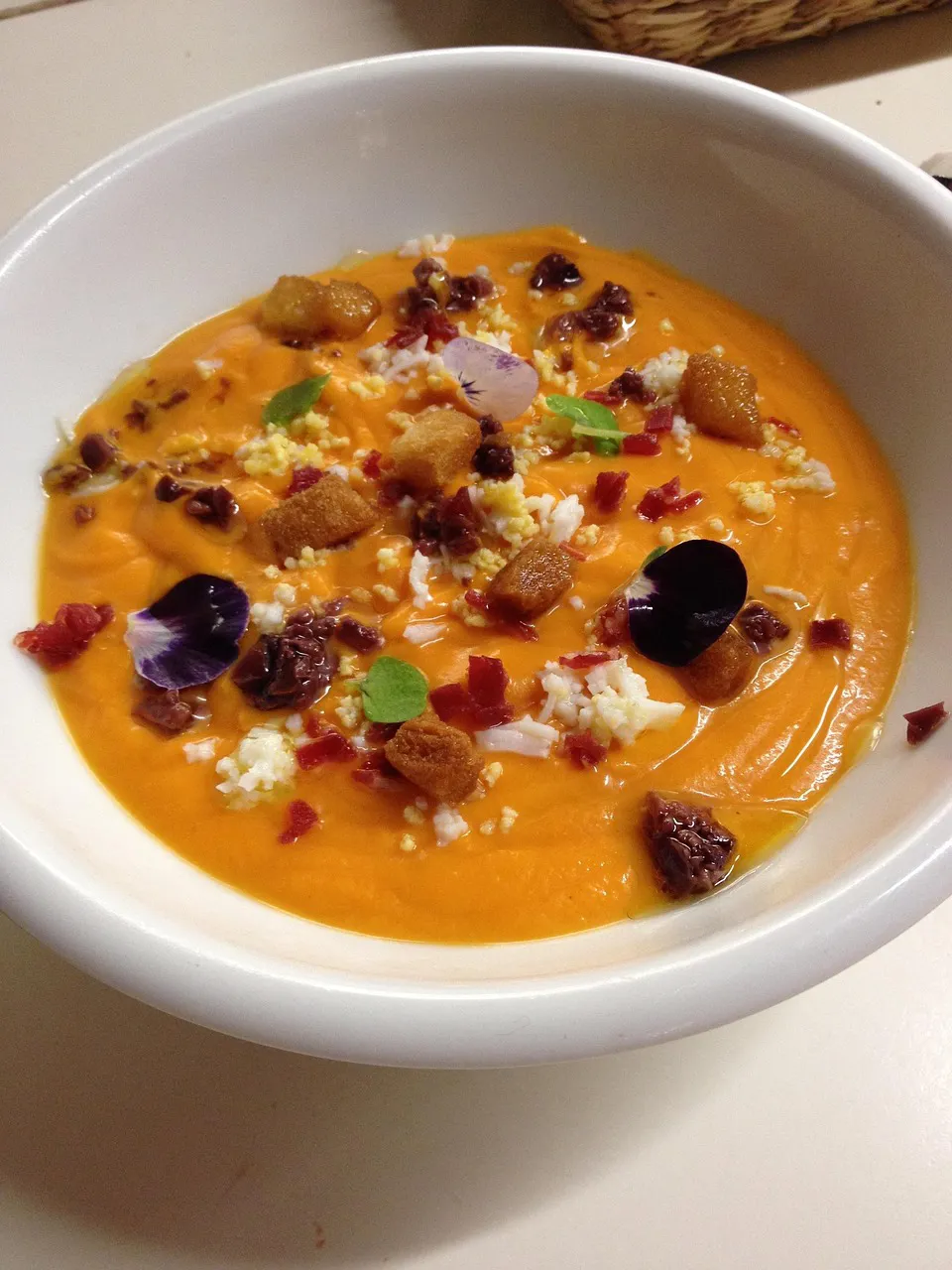
In Andalusia, summer heat encouraged meals that needed no cooking. Cold soups combined tomatoes, old bread, olive oil, and other available ingredients without heating the house. A thicker version from Córdoba used more bread, helping prevent waste. In Extremadura, farmers and shepherds also found a use for hard bread. They broke it into crumbs, added moisture, and fried it with olive oil, garlic, and other ingredients.
In Santoña, Italian fish salters introduced methods for preserving anchovies in the late nineteenth century. A Sicilian salter began cleaning, filleting, and canning the salted fish in the 1880s. The town became a center for anchovy canning, and a seasonal catch became a food people could enjoy throughout the year.