Many enduring Spanish foods originated as practical responses to spoilage rather than as delicacies. Basque crews fishing near Newfoundland and Iceland cleaned, salted, and dried cod, removing moisture so their catch could survive the Atlantic crossing. By the mid-sixteenth century, salted cod represented a substantial share of the fish consumed in Europe. In Castile-La Mancha, shepherds similarly extended the useful life of sheep’s milk by transforming it into firm, salted cheese. Pressing, salting, and aging reduced moisture, while a natural rind provided protection. Traditional woven-grass baskets left a distinctive zigzag pattern that many modern molds reproduce.
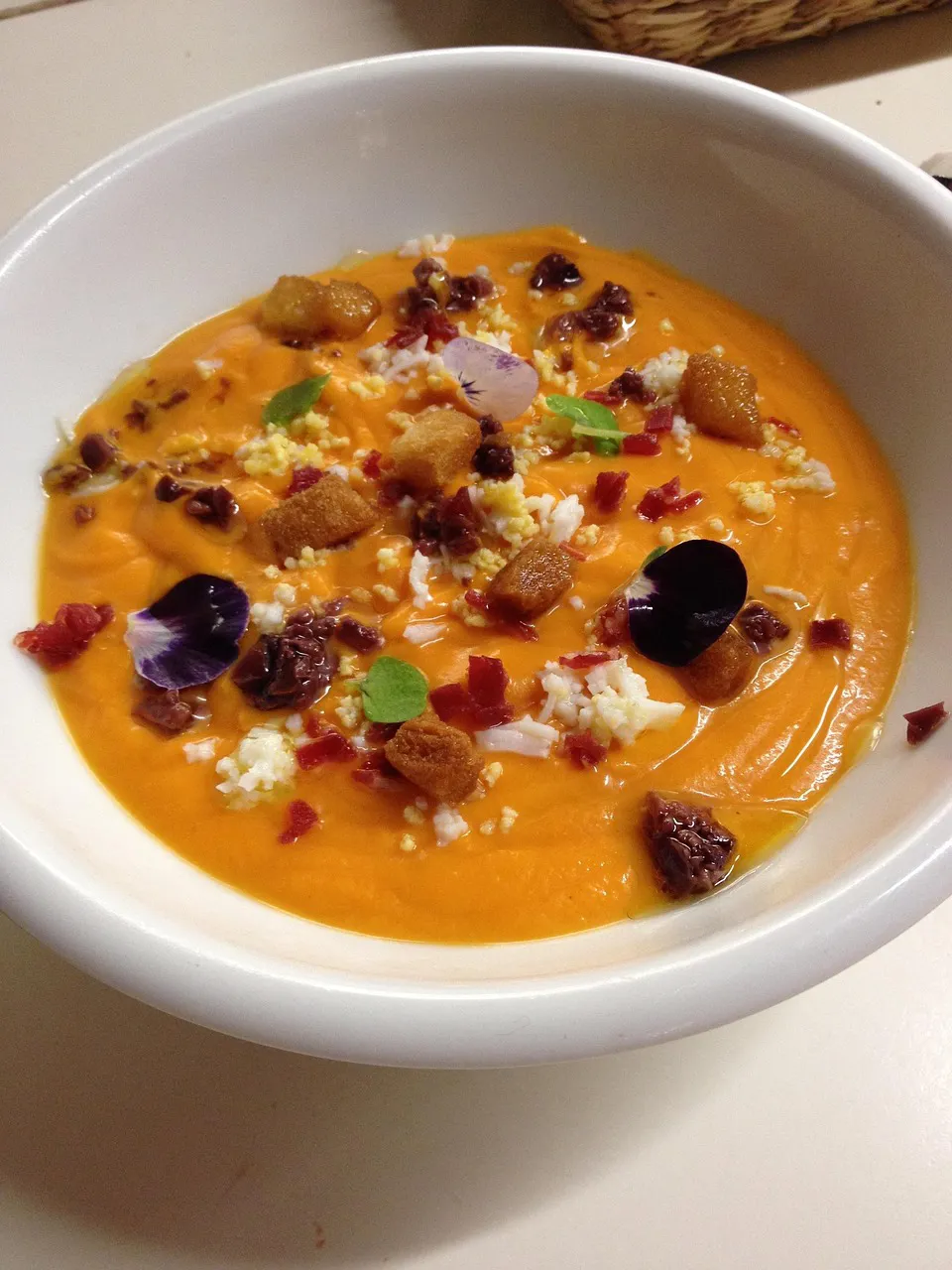
Elsewhere, heat and waste shaped regional cooking. Andalusia’s cold tomato soups used readily available produce, olive oil, and day-old bread without requiring a hot stove. The thicker version associated with Córdoba incorporated additional bread, providing another way to avoid waste. In Extremadura, farmers and shepherds turned hardened bread into a fried dish: crumbs were moistened overnight, then cooked with olive oil, garlic, peppers, and ingredients such as pork. Fried eggs often accompany it, while grapes may be added in summer.
Preservation also transformed Santoña’s anchovy trade. Before Italian salters arrived in the late nineteenth century, the catch was mainly eaten fresh or sold locally. The newcomers salted whole anchovies for shipment to Italy. In the 1880s, a Sicilian salter began cleaning, filleting, and canning the cured fish, helping establish Santoña as an anchovy-canning center. A resource once tied to the spring fishing season could consequently be enjoyed year-round.