

Remote work has expanded sharply in the United States since the pandemic began. In 2019, home-based work made up 7 percent of workdays; by 2023, that share had risen to 28 percent. Against that backdrop, a large study published June 4 in Science drew on five surveys from 2011 to 2024, excluding the peak pandemic years of 2020 and 2021, and more than half a million U.S. workers. The researchers compared people in remote-capable jobs, such as software engineering and clerical work, with people in occupations that require in-person work, such as medicine and cooking. They found that remote-capable workers were more likely to report social isolation and mental distress, and that workers living alone showed especially high distress. The study also found that those workers were more likely to have seen a mental health professional. Experts disagree about how to interpret the results. Some point to benefits such as less stress, more time with family, and better quality of life, while others say remote work should not be judged only as good or bad. Researchers and employers increasingly argue that social connection should be treated as part of job design, with coordinated in-office days for hybrid teams and occasional in-person contact for fully remote workers. The broader challenge, they say, is to make flexible work work better rather than simply sending everyone back to the office.
Study Finds Remote Work Is Tied to More Distress
A major new study using five U.S. surveys found that employees in remote-capable jobs experienced more social isolation and mental distress than workers in jobs that must be done in person. The effect was especially strong for people living alone. While some researchers see real benefits in remote work, experts say the debate should move beyond simple return-to-office arguments and focus on better work design.

More stories to read
 health2 min read10/27/2026
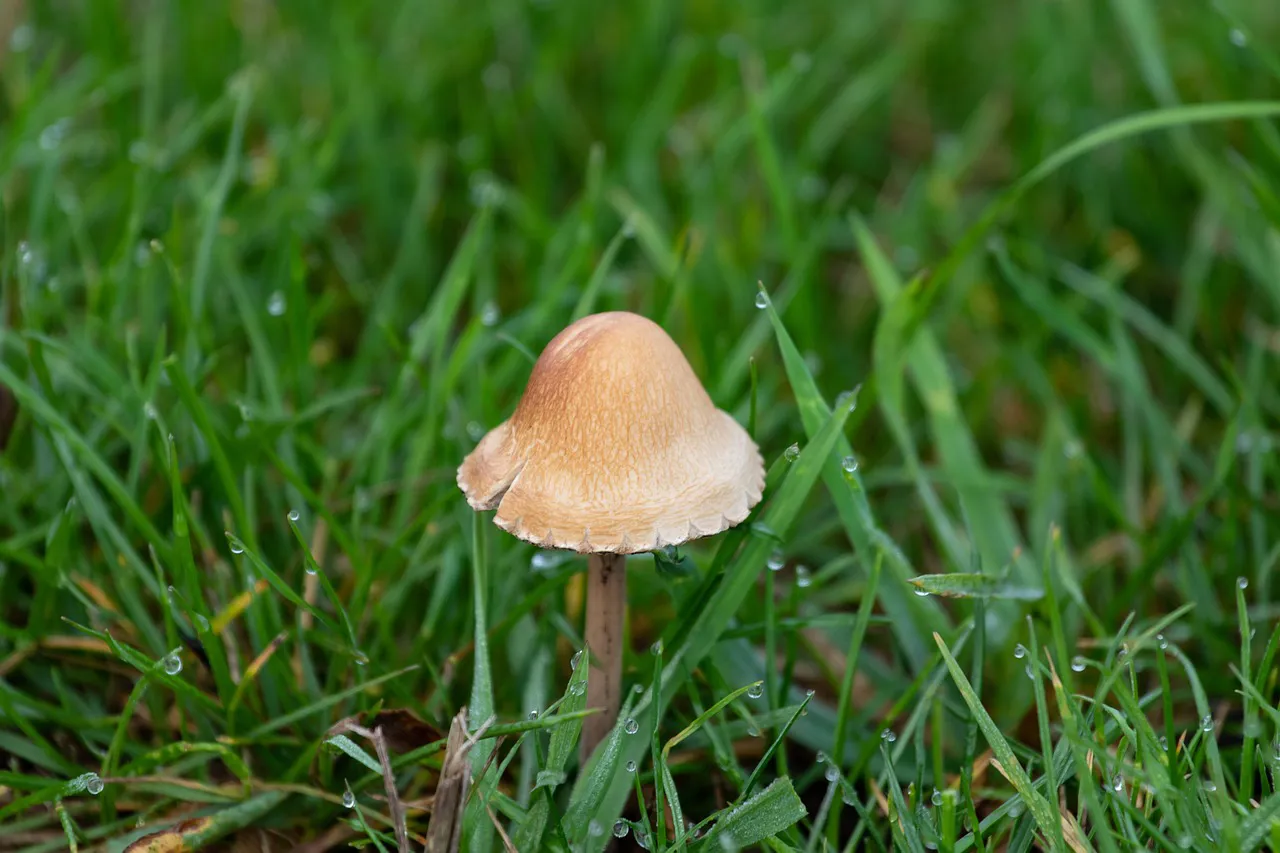
Mushroom Study Points to an Unknown Hallucinogenic Compound
Researchers linked highly specific hallucinations in China and the Philippines to Lanmaoa asiatica, a mushroom that may contain an unidentified psychoactive substance.
 health2 min read10/27/2026
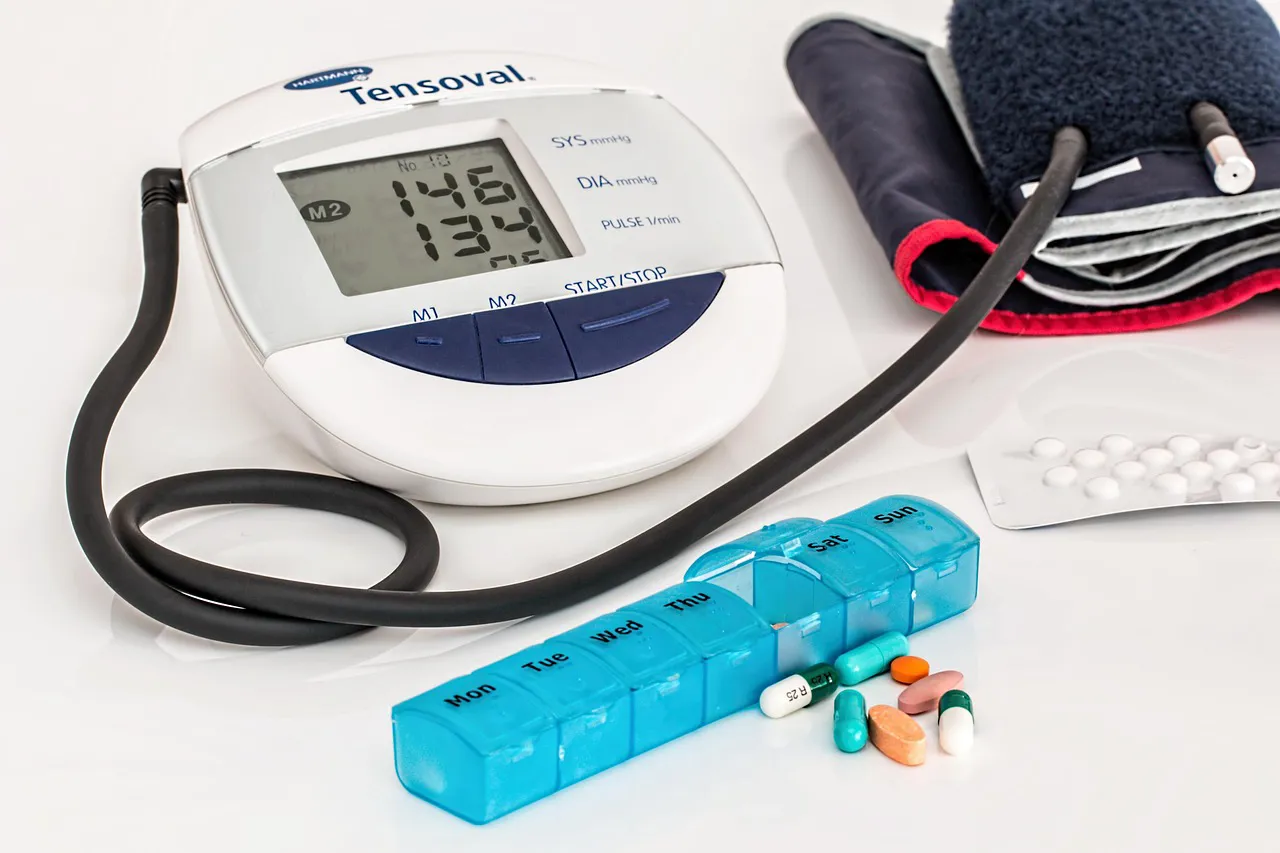
Inconsistent Blood Pressure Treatment May Undermine Cardiovascular Protection
An analysis of randomized trial data linked stronger medication adherence to greater blood pressure reductions and an 11% decrease in major cardiovascular events.
 health2 min read10/26/2026
Alcohol Study Challenges Health Benefits of Moderate Drinking
A large evidence review associates 14 drinks per week with a 1 in 25 lifetime risk of alcohol-related death, while finding no significant overall protective effect at any consumption level.
 health2 min read10/25/2026
Antibody Profiles May Signal Bowel Disease Risk a Decade Before Diagnosis
Distinct immune signatures preceded inflammatory bowel disease diagnoses by up to 10 years and helped distinguish future disease severity. Researchers caution that clinical screening will require further validation and evidence of patient benefit.
 health2 min read10/24/2026
Higher Brain DHA Levels Fail to Deliver Cognitive Benefits in Fish Oil Trial
Despite increasing DHA in the fluid surrounding the brain, high-dose fish oil supplements did not improve cognition or prevent hippocampal shrinkage in older adults at elevated Alzheimer's risk.