

Remote work has become much more common in the United States since the start of the pandemic. In one recent study, researchers examined five surveys covering 2011 to 2024 and more than half a million workers. They compared people in jobs that could be done remotely, such as software and office work, with people in jobs that had to be done in person, such as doctors and chefs. The remote-capable group was more likely to report social isolation and mental distress, and workers who lived alone had the highest distress. Some experts note that remote work can still help working parents and people with disabilities. Others say it can save commuting time and improve daily life. For that reason, they argue that the answer is not a simple return-to-office rule. Employers should instead organize work more carefully and keep social connection in mind.
Remote Work Is Linked to More Isolation
A large study in the United States found that workers in jobs that can be done from home report more social isolation and mental distress than workers in jobs that must be done in person. The effect is strongest for people who live alone. Experts say employers should not respond by forcing everyone back to the office. Instead, they should build work plans that support both focus and social contact.

More stories to read
 health2 min read10/27/2026
Scientists Trace Tiny-People Visions to a Mushroom
DNA testing linked unusual visions in China and the Philippines to the same mushroom species. An unknown chemical may be responsible for its effects.
 health2 min read10/27/2026
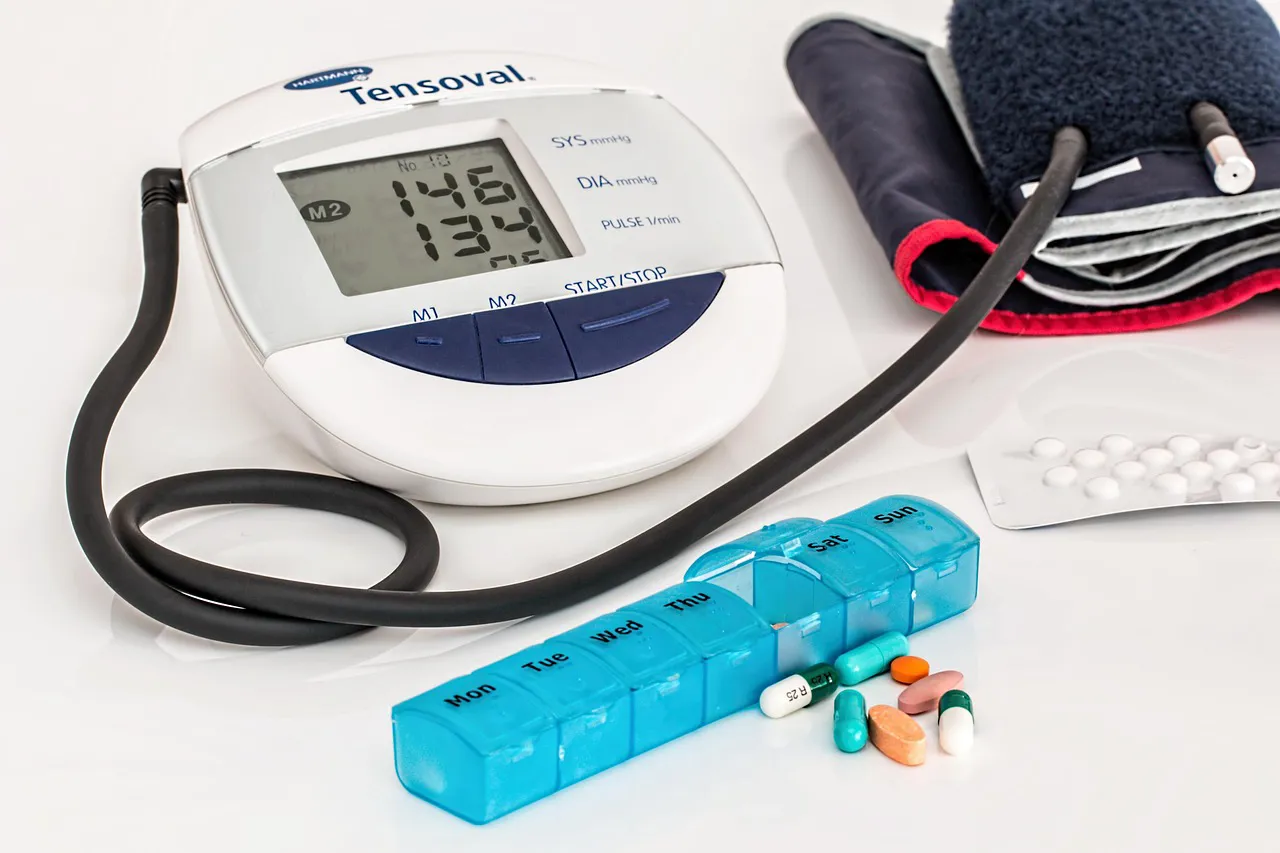
Skipping Blood Pressure Medicine Can Weaken Its Benefits
Patients who followed their treatment more closely had larger blood pressure improvements and fewer major cardiovascular problems.
 health2 min read10/26/2026
Study Finds Higher Health Risks With Two Drinks a Day
An analysis estimates a 1 in 25 lifetime risk of alcohol-related death for people averaging 14 drinks weekly. Possible benefits for certain heart conditions did not outweigh the wider health risks.
 health2 min read10/25/2026
Blood Patterns Could Signal Bowel Disease a Decade Early
A study found changes in blood antibodies years before Crohn's disease or ulcerative colitis was diagnosed. The patterns could help identify future risk, although routine testing requires more research.
 health2 min read10/24/2026
Fish Oil Raises Brain DHA Levels but Shows No Memory Benefit
A two-year trial found no measurable benefit for memory, thinking, or a key memory region, even though a fat in fish oil reached the brain.