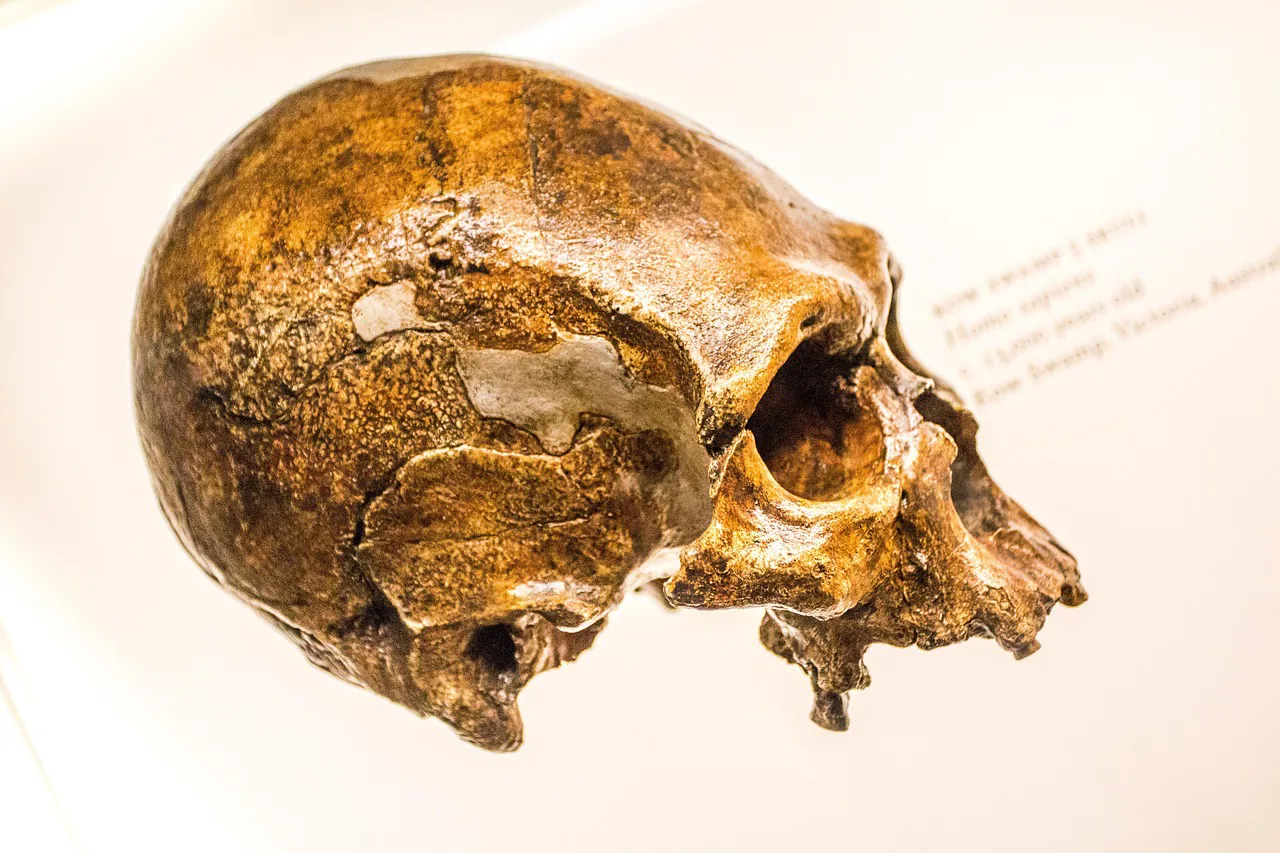
The remains of a Neanderthal who lived approximately 75,000 years ago suggest a life marked by both severe injury and social support. Known as Shanidar A, the individual died at around 45 and was recovered from Shanidar Cave in Iraqi Kurdistan. A study published October 15 in Scientific Reports identifies a probable wooden spear wound in the left shoulder blade, while an extensively fractured tooth points to an earlier facial injury that the individual survived.
The shoulder blade contains a circular perforation roughly 0.6 inches across, surrounded by tiny fractures and displaced bone fragments. Microscopic examination and X-rays revealed no healing, placing the injury around the time of death. Researchers investigated possible damage from roots or insects but found that these explanations did not fit. Comparisons with experimental injuries favored a wooden spear: such weapons tend to produce round punctures, whereas stone-tipped spears generally leave diamond-shaped openings. A spear penetrating the chest could have damaged the lungs and major blood vessels, likely causing rapid death. Whether the incident was an intentional attack or a hunting accident remains uncertain.
The damaged front tooth, however, preserves evidence of survival. Tartar accumulation indicates that Shanidar A lived with the split tooth for at least a year, potentially longer. Study author Emma Pomeroy of the University of Cambridge argues that the resulting pain and difficulties with eating and communication likely required assistance. Placement of the body within a restricted cluster of Neanderthal remains also supports interpretations of intentional burial and care extending beyond death.