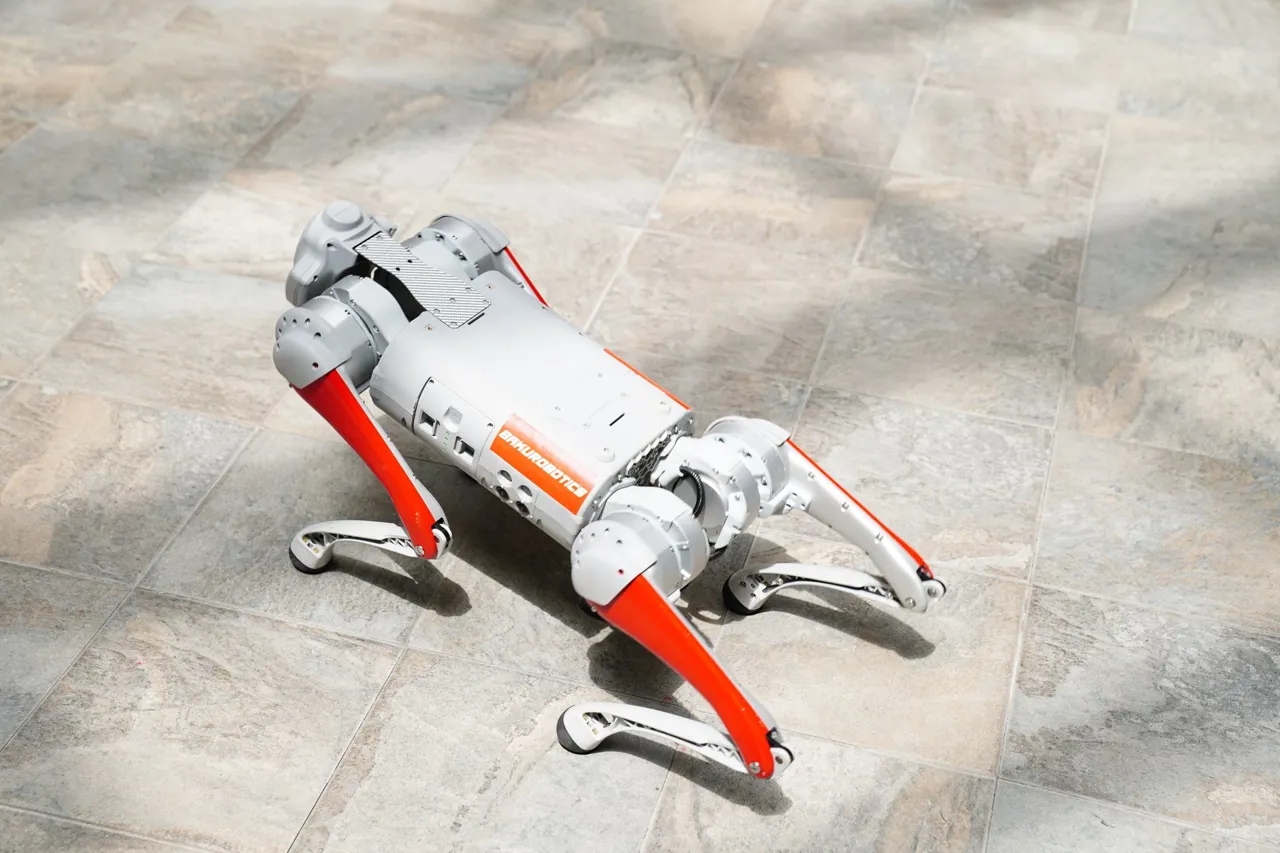
Japan’s space agency, JAXA, is preparing to launch its Martian Moons Exploration mission, known as MMX. An H3 rocket is scheduled to carry the spacecraft from Tanegashima Space Center on October 20, Japan time. NASA is providing scientific equipment, communication and navigation support, and funding for American researchers.
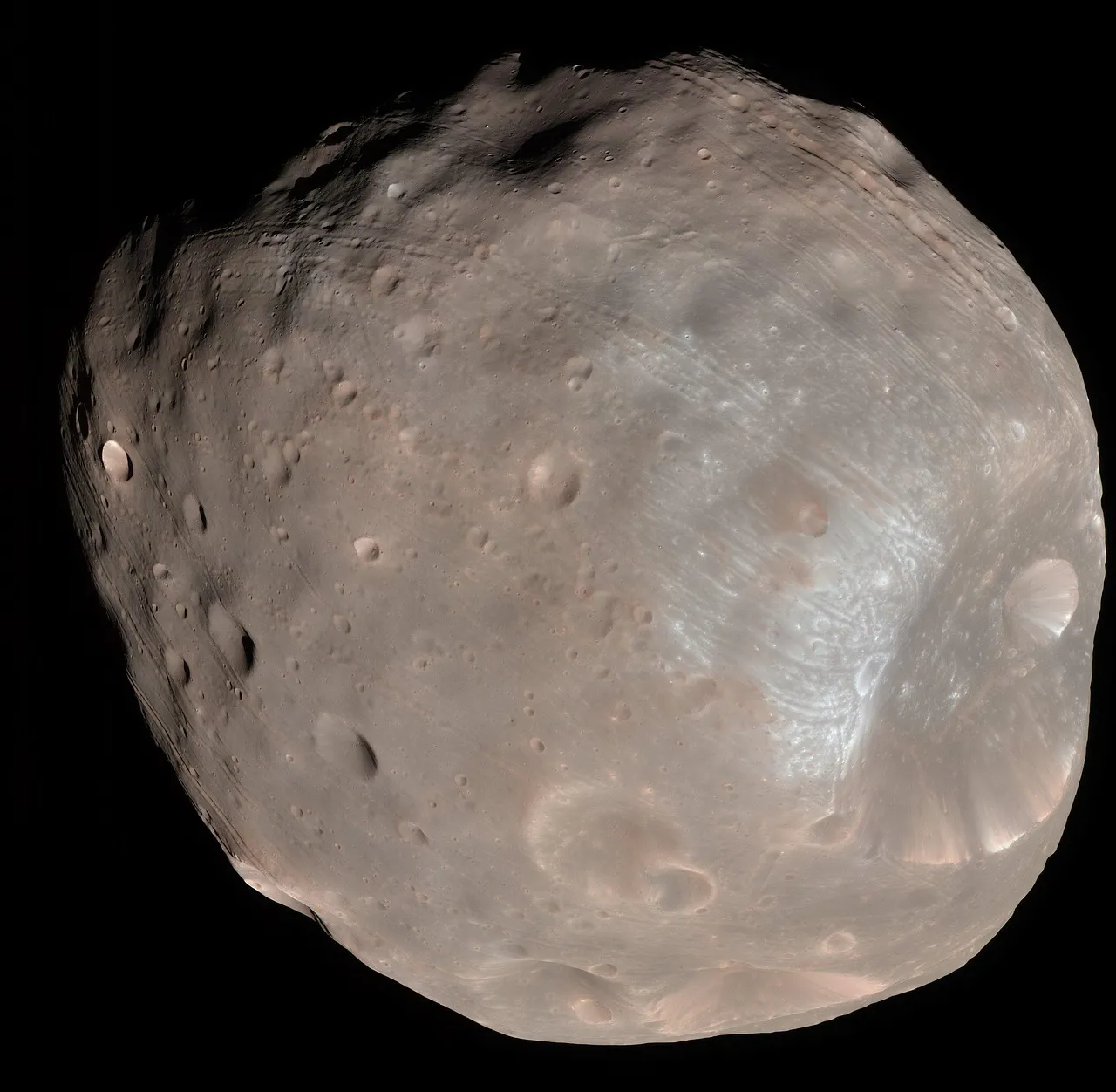
The mission will study Phobos and Deimos, Mars’ two moons, to investigate their origins. They may have been space rocks that became trapped by Mars’ gravity. Another possibility is that an object struck Mars, throwing material into space that later formed the moons. By examining what Phobos is made of, scientists hope to distinguish between these explanations. NASA’s MEGANE instrument will help identify the chemical elements on its surface.
MMX is expected to reach Mars in August 2027 and collect soil and small stones from Phobos in 2030. One collection device uses nitrogen gas to push loose material into a container. The mission aims to return its samples to Earth in 2031. NASA will receive about 15% of the returned material and preserve it in Houston for future research.