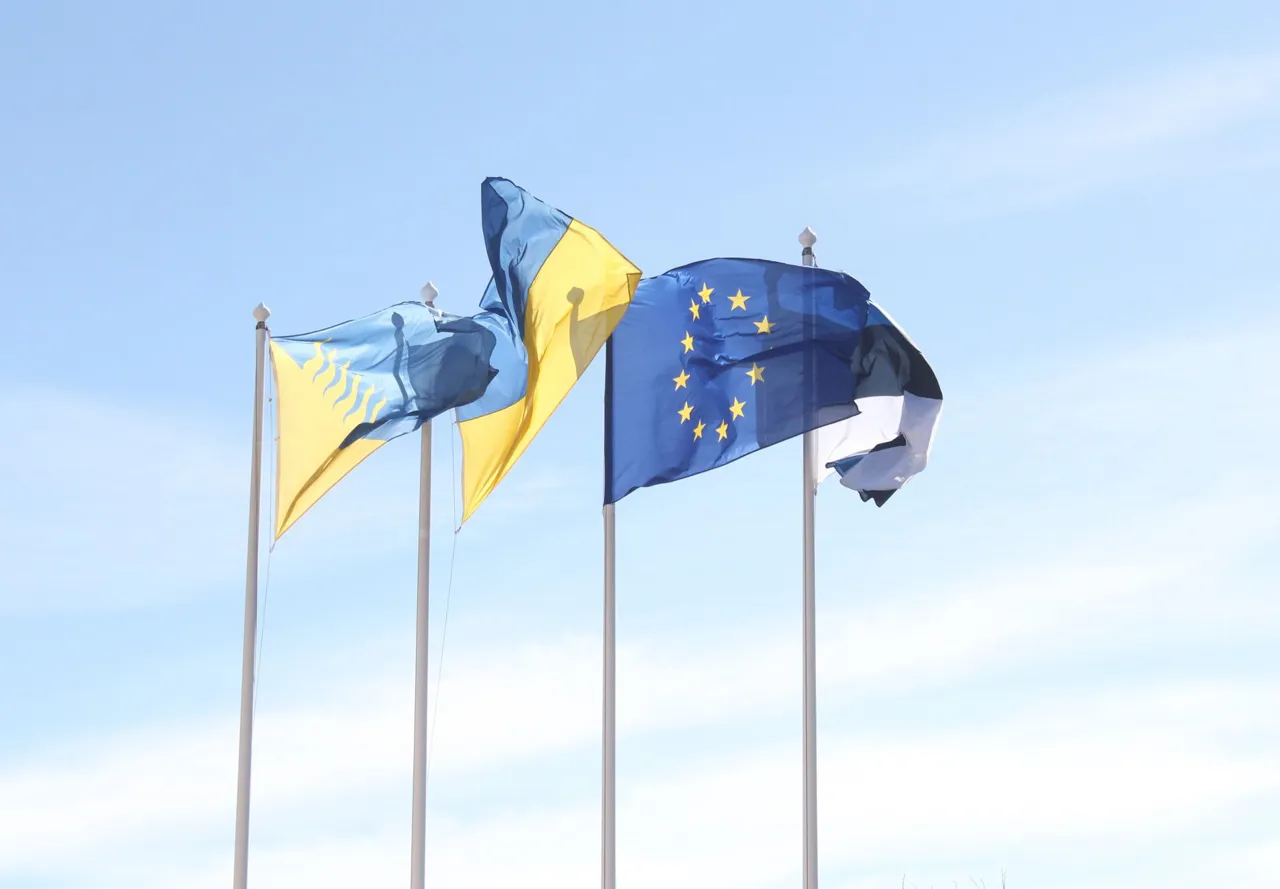
The EU Council has approved the opening of two additional accession clusters with Ukraine after Hungary lifted its veto, bringing the total to four out of six. The breakthrough follows an agreement addressing protections for Ukraine’s ethnic Hungarian minority. Hungarian and Ukrainian diplomats are seeking to arrange a first bilateral meeting between President Volodymyr Zelenskyy and Prime Minister Peter Magyar alongside this week’s EU summit in Brussels. However, no date has been fixed, and the meeting remains unconfirmed.
Hungary’s objections date back to Ukraine’s education and language laws, adopted in 2015 and 2017, which restricted minority-language use in schools. Following Magyar’s election victory in April, Budapest adopted a more pragmatic approach, approving the first two clusters in June while making further progress conditional on stronger legal protections. The new law gives special status to schools if over half their students are taught in a minority language recognised as an official language of the EU. Schools already holding this status when the law came into effect can keep it, as long as at least 20% of their students continue studying in that language. It also broadens language use in school activities and communication, protects native-language education during school restructuring or closure, and allows translated external examination questions except in language and literature subjects.
Ukrainian remains the language of state education. The safeguards extend reforms introduced in 2023, but do not cover Russian. Despite this diplomatic progress, accession requires extensive reforms and unanimous approval from EU members to close each cluster. Agriculture is expected to be particularly contentious, with some countries concerned that incorporating Ukraine’s large farming sector into EU agricultural policy could strain subsidies and intensify competition.