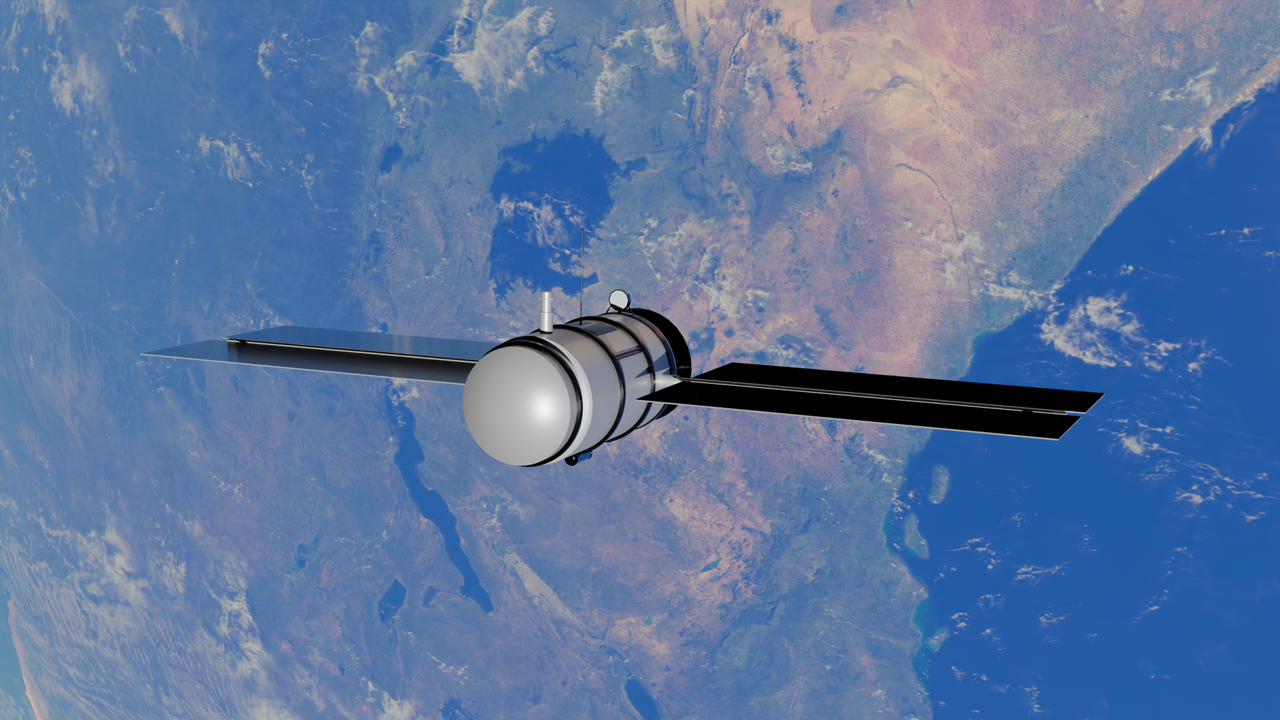
Google’s Project Suncatcher satellite has sent its first AI-generated response from space. Launched earlier in October on a SpaceX Falcon 9 rocket, the experimental satellite is communicating with Earth. The project aims to prepare for future networks of AI computers in orbit.
After about three weeks of system checks, engineers asked the satellite’s Gemma 4 AI model to write a haiku, a short form of poetry, about being in space. The model completed the request. Google also tested other poetry requests and asked for information about conditions around the spacecraft.
The satellite carries four Tensor Processing Units, or TPUs, which are specialized AI chips. However, its limited power supply allows only one chip to operate at a time, for about 20 minutes. The spacecraft generates up to 1,000 watts of electricity, and these operating limits make communication with Earth more difficult.
Google will now examine how the chips perform under heat stress and radiation exposure. Radiation can change values stored in computer memory and damage data. If the chips prove capable, Google plans to launch two more satellites in 2027. These will generate more power and test connections that use light to transmit information between them.