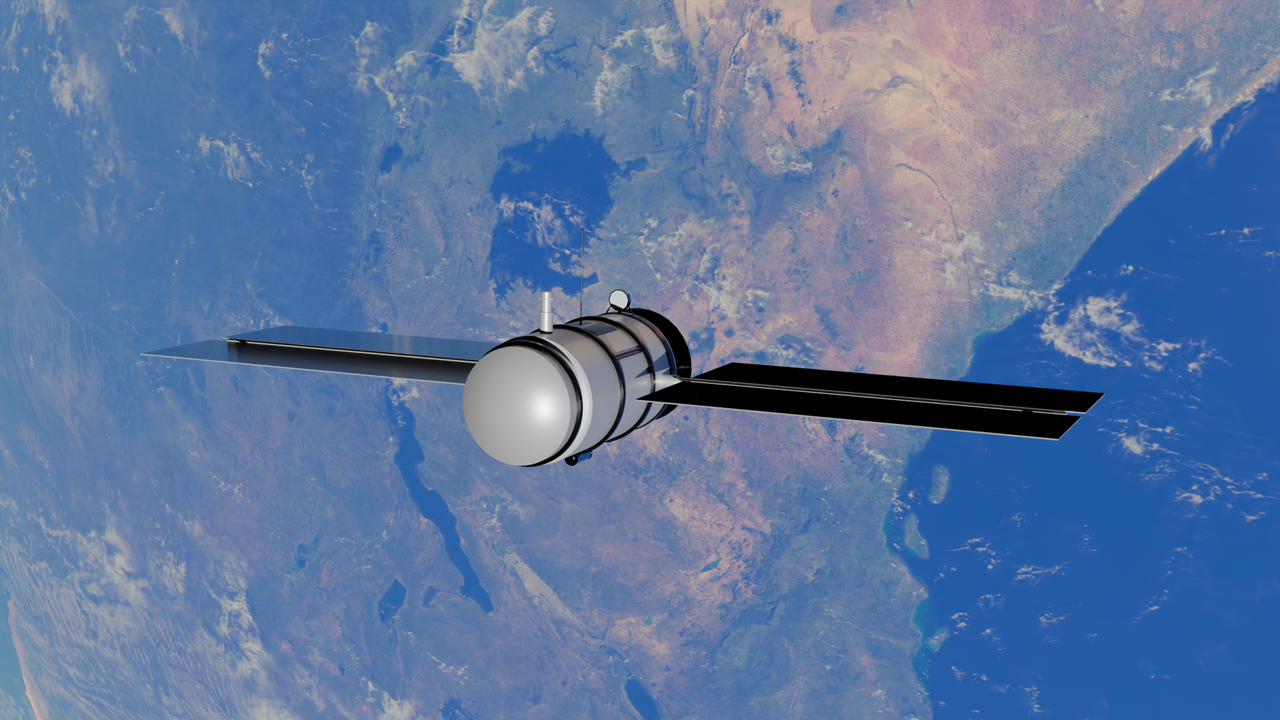
Google’s Project Suncatcher prototype has begun executing AI tasks in orbit, generating a poem and communicating with ground engineers. Launched earlier in October aboard a SpaceX Falcon 9 carrying more than 100 other spacecraft, the satellite is an experimental step toward networks of closely spaced orbital data centers.
Following roughly three weeks of subsystem checks, engineers prompted the onboard Google DeepMind Gemma 4 model to compose a haiku about being in space. Google also tested additional poetry prompts and requests for information about the spacecraft’s orbital environment. A company spokesperson said the satellite was operating normally.
The prototype carries four Tensor Processing Units, or TPUs, but its power constraints permit only one to operate at a time, for approximately 20 minutes. Generating up to one kilowatt of electricity, the spacecraft illustrates how chip power demands can complicate space-to-ground communications.
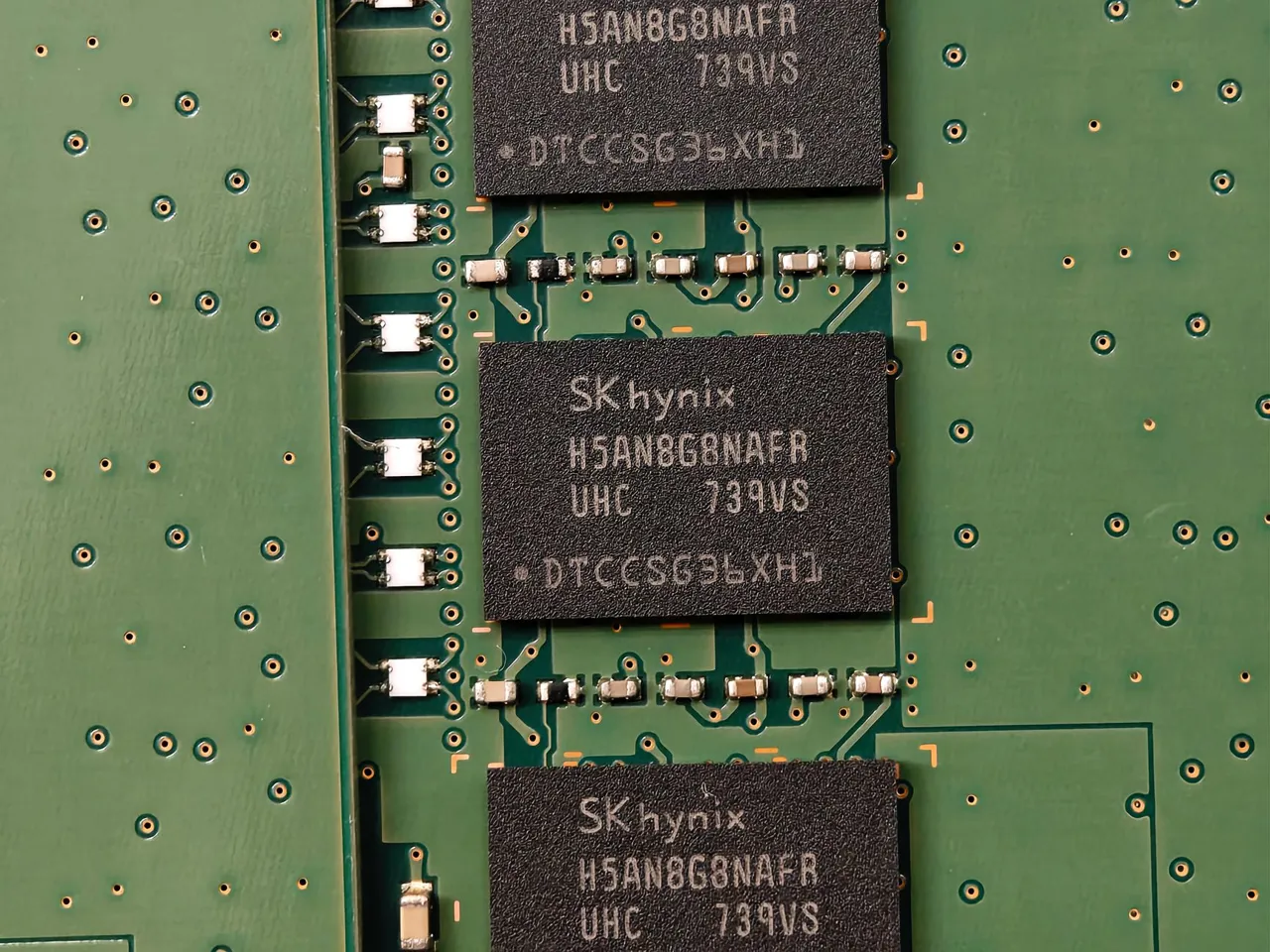
The next testing phase will assess performance under thermal stress and radiation exposure. Radiation can produce “bit flips,” altering stored memory values and potentially corrupting data without triggering standard monitoring tools. Ground tests suggested radiation would pose fewer problems for inference—running an existing model—than for training one; orbital testing will now examine that finding under real conditions.
If the chips demonstrate sufficient capability, Google plans to launch two higher-power satellites in 2027 to demonstrate optical inter-satellite links. Such high-speed connections are central to Suncatcher’s proposed architecture, allowing nearby satellites to share processing workloads rather than operate solely as independent computers.