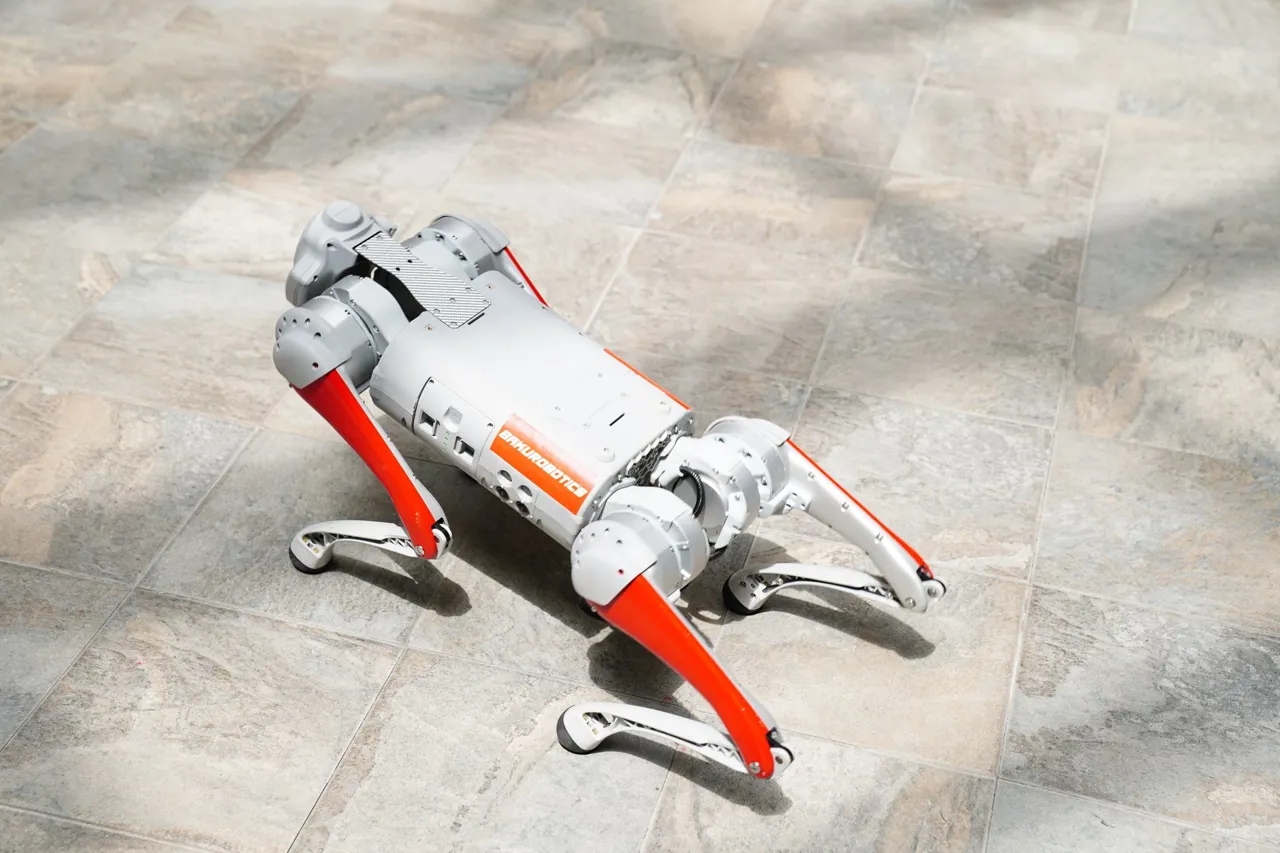
Goldman Sachs estimates that AI could displace up to 9% of workers, or roughly one in 11, as businesses adopt the technology. Economist Joseph Briggs based the estimate on the bank's forecast that AI will increase productivity—output produced in the same amount of time—by 15% in the U.S. and other developed economies. Slower hiring could reduce employment by an additional 3%.
The timing depends partly on the economy. After examining decades of employment trends, Briggs found that technology-related job losses tend to accelerate during economic downturns. Businesses often use these periods to replace tasks with technology and reduce spending on workers. However, the 9% estimate measures job losses, not lasting unemployment. Some affected workers may quickly find another position, while others may leave the workforce.
For now, layoffs linked to AI have dropped sharply from their spring peak. Only 23% of U.S. workplaces have introduced AI into their regular work processes, and most expected productivity improvements are still ahead. Briggs also noted that the economy and job market have remained strong in 2026. This may have reduced pressure on companies to cut labor costs aggressively.