
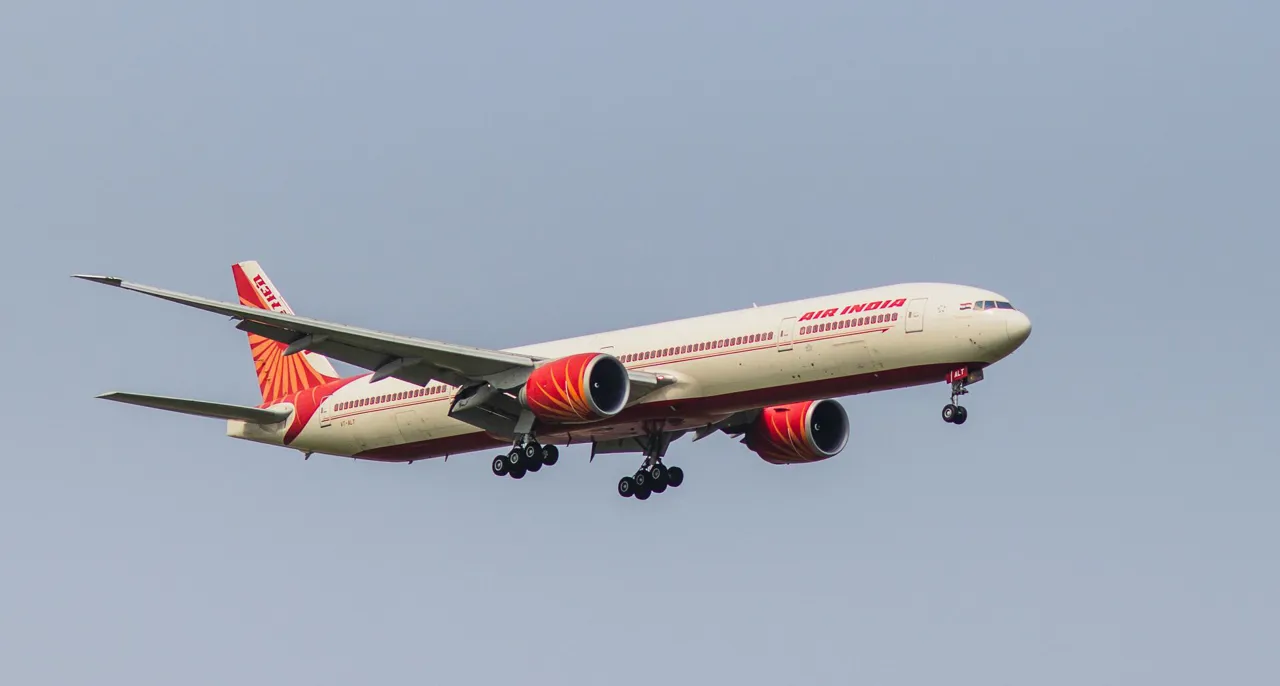
A year after Air India Flight 171 crashed into a medical college campus shortly after take-off from Ahmedabad, killing 260 people, investigators still cannot say with confidence why the 12-year-old Boeing 787 Dreamliner fell from the sky. The Aircraft Accident Investigation Bureau says analysis of flight recorder data, aircraft systems, engine components, maintenance records, and human factors is still under way.
The preliminary report, published last July, said the fuel-control switches moved to the cut-off position seconds after take-off, cutting fuel to both engines and causing total power loss. That detail has driven much of the debate. Cockpit audio captured one pilot asking the other why he had done it, followed by the reply, “I did not.” Investigators did not identify the voices.
The inquiry has also focused on the Ram Air Turbine, a backup system that can deploy when both engines fail or when normal electrical or hydraulic power is lost. The timing of the RAT, along with engine data such as Exhaust Gas Temperature, may help show whether thrust was lost before or after the switches moved. The final report remains pending, and several key questions are still unanswered.