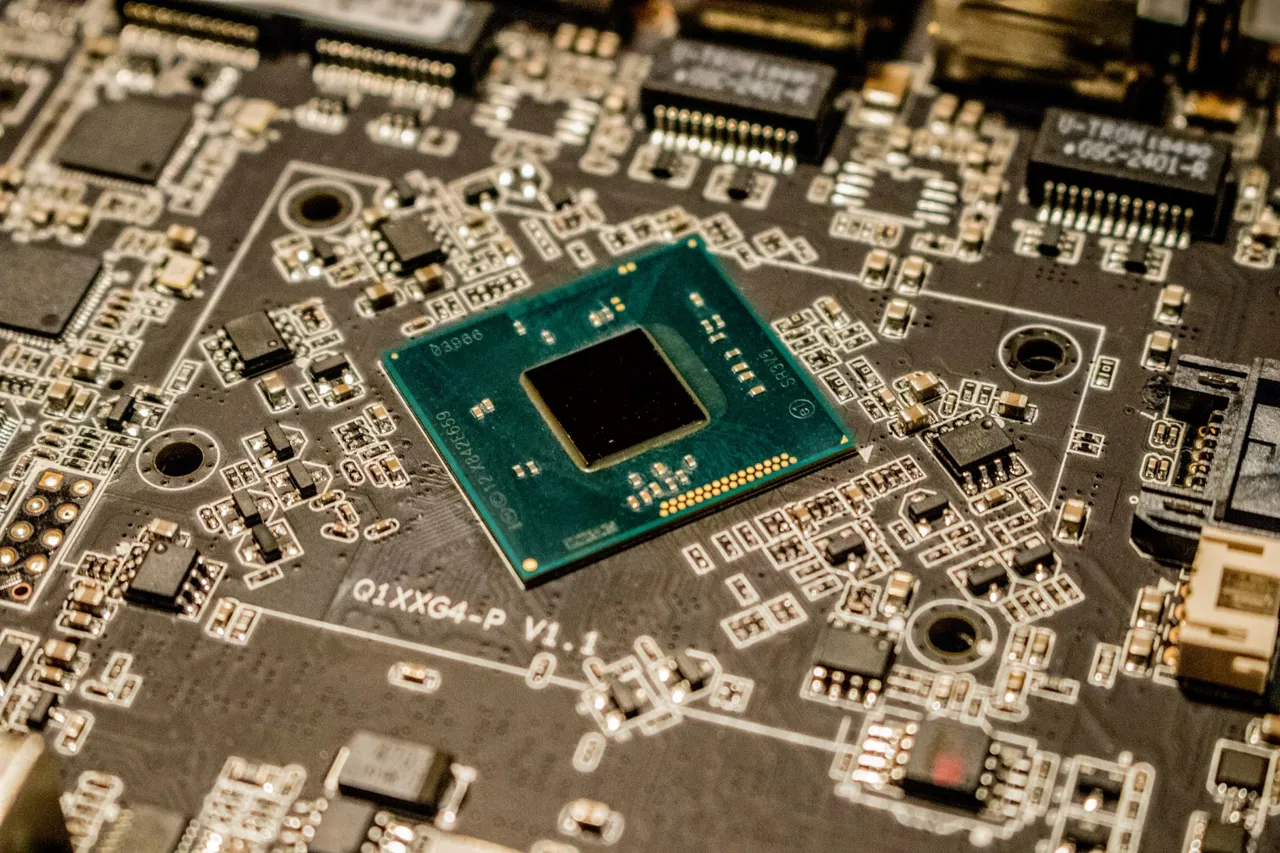
AI data centers need to move large amounts of data between computer chips. Researchers in Japan made a tiny device from silicon to help with this task. It changes electrical signals into light signals. It sent up to 200 billion bits of data per second. The device is 0.32 millimeters long. Conventional silicon Mach-Zehnder devices are usually 2–4 millimeters long.
Tiny holes inside the device slow the light down. This helps a small electrical change make a bigger change in the light signal. But slowing light also comes with a problem: the device can struggle with fast signal changes. The team added a built-in part to help it handle these changes. It reached 180 billion bits per second without extra digital processing. Another tool at the receiving end helped it reach 200 billion.
The design could help data centers fit more light-based connections into a small space and use less energy. However, the device loses a lot of light as light passes through it. The team used another device to make the light stronger during tests. Practical use would benefit from reducing this loss, and the researchers want to make the device work with a wider range of light.