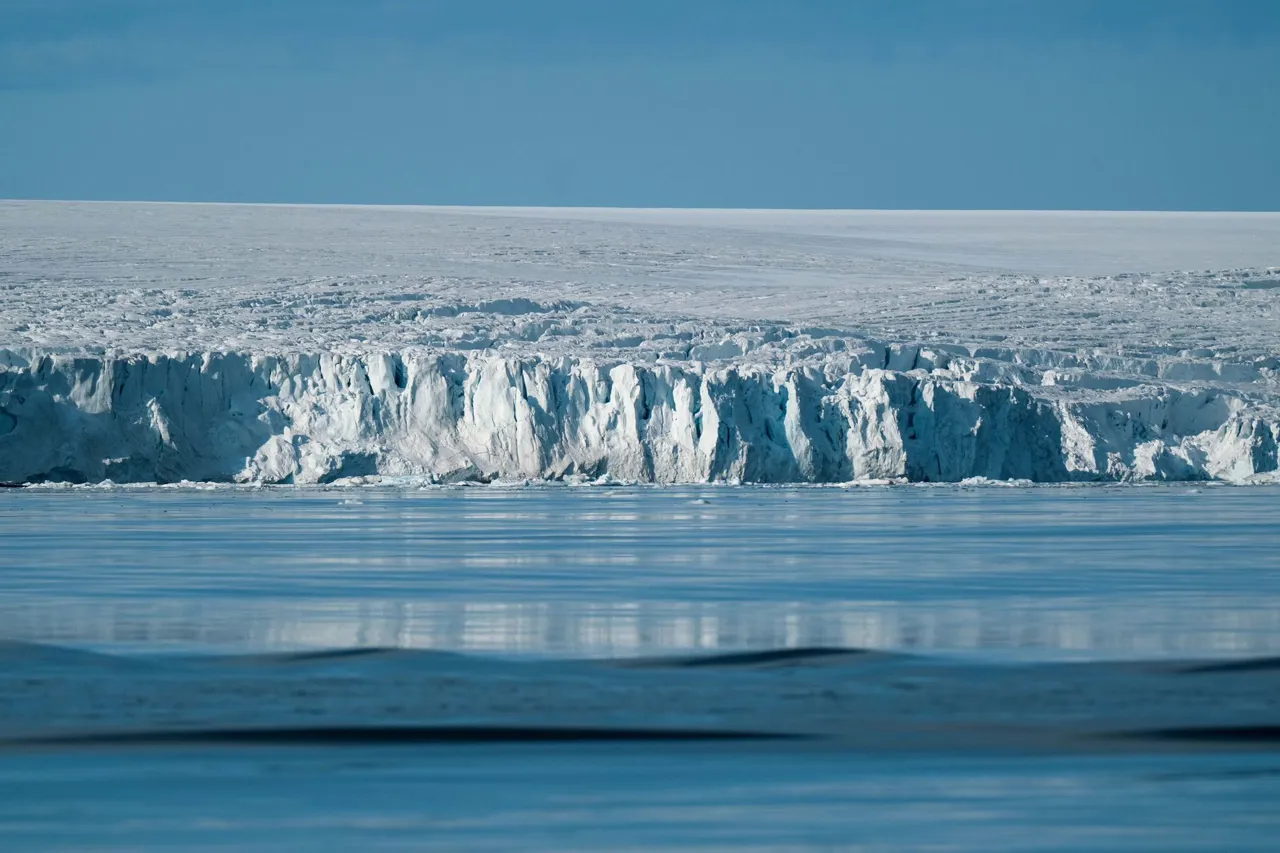
West Antarctica’s Thwaites Glacier may continue losing ice for generations, even if the ocean-driven melting beneath it ceases. In a study published in Geophysical Research Letters, a British Antarctic Survey-led team used three independent ice-sheet models to remove that melting entirely. Over the 150-year simulations, neighbouring Pine Island Glacier thickened and advanced, whereas Thwaites continued losing ice, albeit at a declining rate. The contrast suggests that past environmental changes have committed Thwaites to further losses that ocean cooling alone cannot reverse on century-long timescales.
Separately, research published in Nature Communications on 12 October 2026 examined seawater intrusion into the transition between grounded and floating ice. Representing this zone as several kilometres wide, rather than as a narrow boundary, helped the model reproduce observed retreat and thinning between 1996 and 2023. Under a constant-climate scenario, it projected up to 30 millimetres of global sea-level rise from Thwaites by 2100—approximately twice the average of earlier projections used for comparison. Some simulations also indicated that the glacier could detach from a stabilising underwater ridge as early as 2038.
The zero-melting experiment is deliberately extreme, not a realistic forecast or evidence that total collapse is inevitable. Complete collapse could eventually raise global sea levels by an estimated 65 centimetres, but this is a long-term risk rather than a prediction for this century. Reducing greenhouse gas emissions remains essential: additional ocean warming could intensify losses beyond those already set in motion, while coastal communities face increasing risks from flooding, erosion and storm surges.