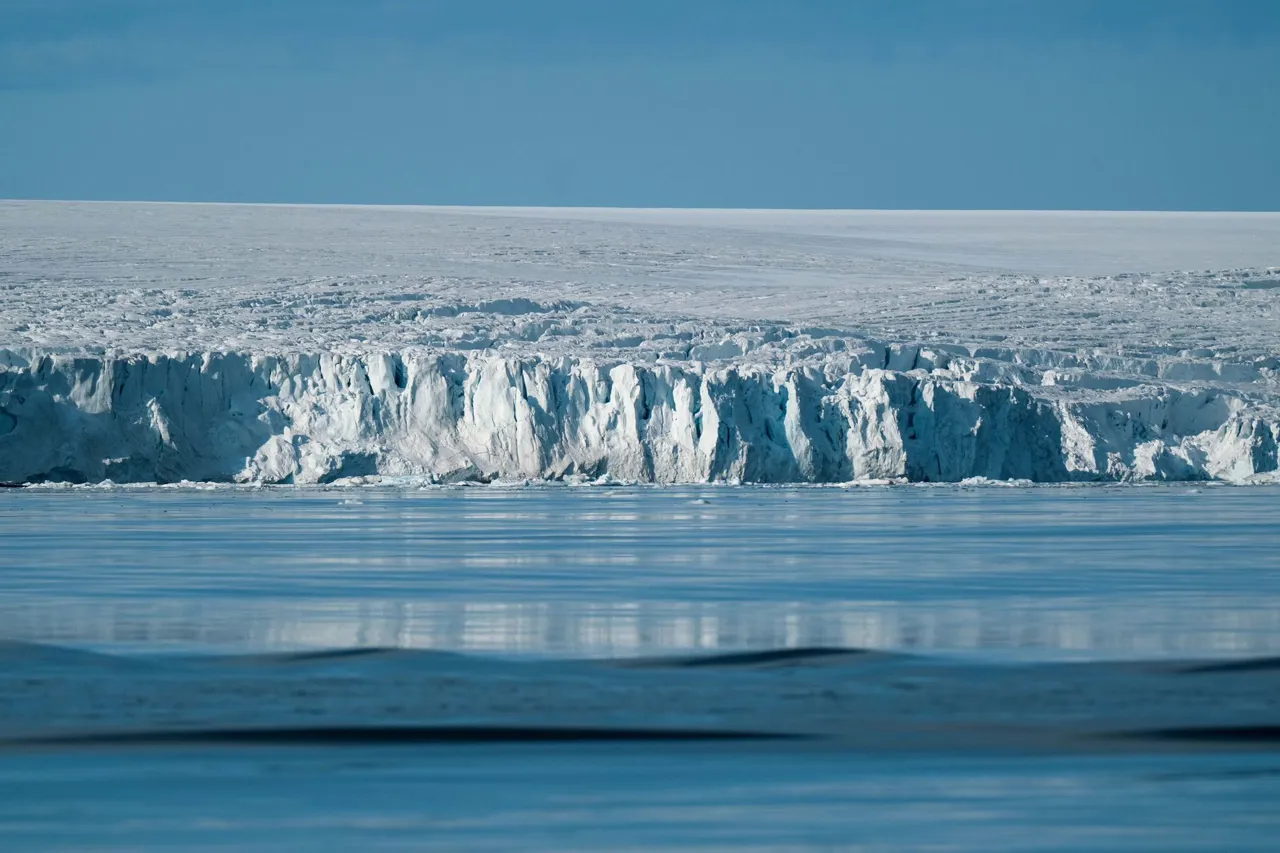
Thwaites Glacier in West Antarctica could continue losing ice even if ocean-driven melting stopped completely. Researchers led by the British Antarctic Survey tested this extreme situation using three independent computer models. Thwaites lost ice throughout the 150-year experiments, although the rate slowed. Its neighbour, Pine Island Glacier, instead became thicker and began advancing again.
In a separate study, published in Nature Communications, researchers examined how seawater reaches the area where ice resting on the seabed begins to float. Treating this transition as a wide zone helped their model match changes observed between 1996 and 2023. With the climate held unchanged, the model projected up to 30 millimetres of global sea-level rise from Thwaites by 2100. That is about twice the average of earlier projections used for comparison.
The first study's complete stop to ocean melting is an experiment, not a realistic forecast. Its results suggest that past changes can keep affecting the glacier for generations. Cutting greenhouse gas emissions remains important because further ocean warming could increase ice loss beyond the changes already under way.