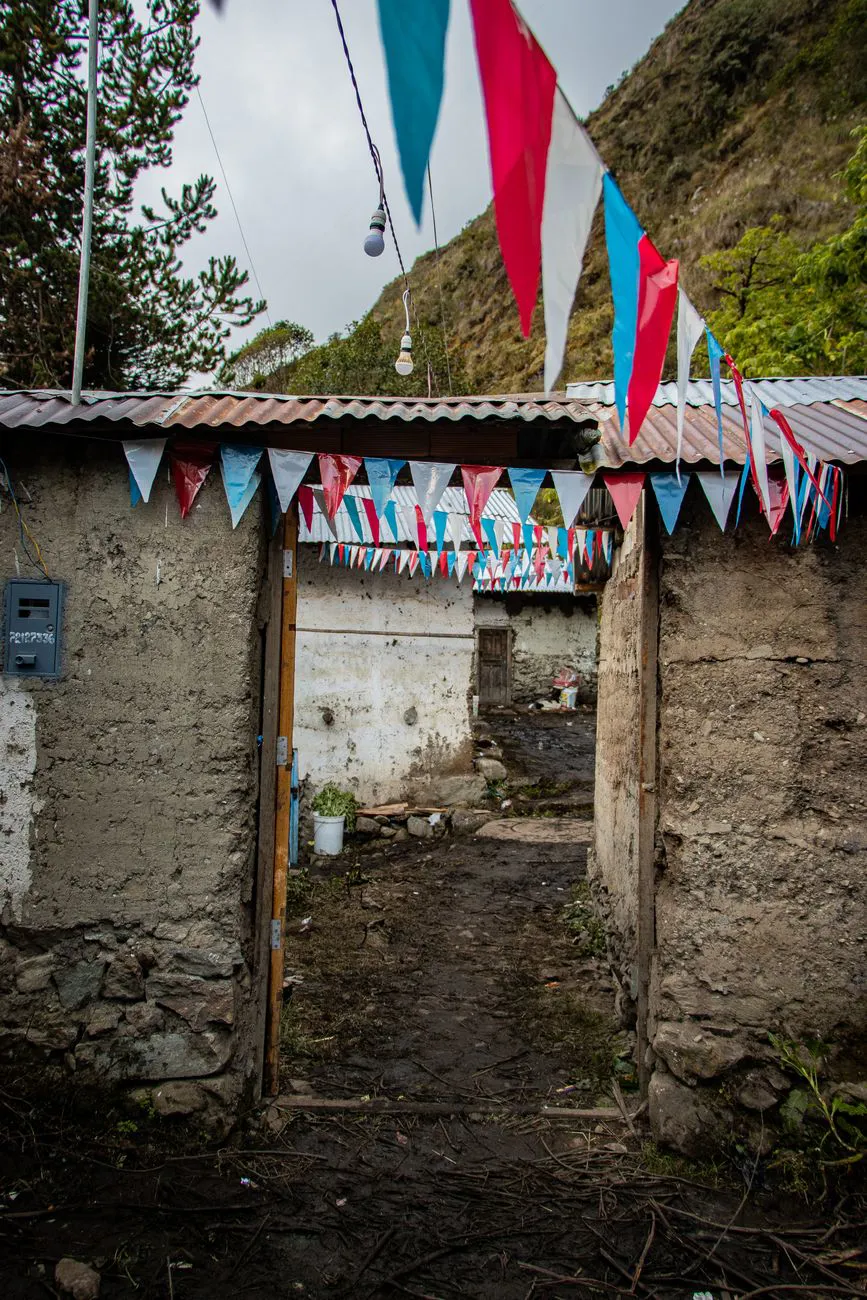
Across Peru’s Andes, a red flag can signal that a fresh batch of chicha, a traditional maize drink, is ready. The destination may be a shop, restaurant or informal drinking establishment within a private home, where visitors can sit and socialise. Red flowers, plastic bags and balloons can serve the same purpose; once the batch is exhausted, the flag is lowered.
Fermented maize beverages predate the Inca Empire and remain embedded in Andean ceremonial and communal life. Chicha accompanies collective work, reciprocal exchanges, hair-cutting ceremonies and celebrations inaugurating homes. During ceremonies, the first portion is offered to the earth in gratitude and respect, while the drink is also presented to the Sun during a traditional festival.
The most common variety is made from germinated yellow maize and fermented for several days, typically producing an alcohol content of around five per cent. Its flavour is slightly sour and lightly fizzy; shorter fermentation reduces the alcohol content for ceremonies. By contrast, the alcohol-free purple maize version is boiled with pineapple, cinnamon, cloves and sugar rather than fermented. Strawberry-infused versions are found around Cusco and the Sacred Valley.
Alongside home-based venues, restaurants throughout Cusco and the Sacred Valley serve chicha, while informal Andean lunch restaurants pair it with regional dishes. In coastal Lima, bars incorporate the purple maize drink into cocktails, including combinations with pisco. Market vendors also sell homemade yellow and purple maize versions, maintaining its everyday presence beyond the cocktail bar. Visitors interested in preparation can attend workshops at Salineras Ranch in the Sacred Valley.