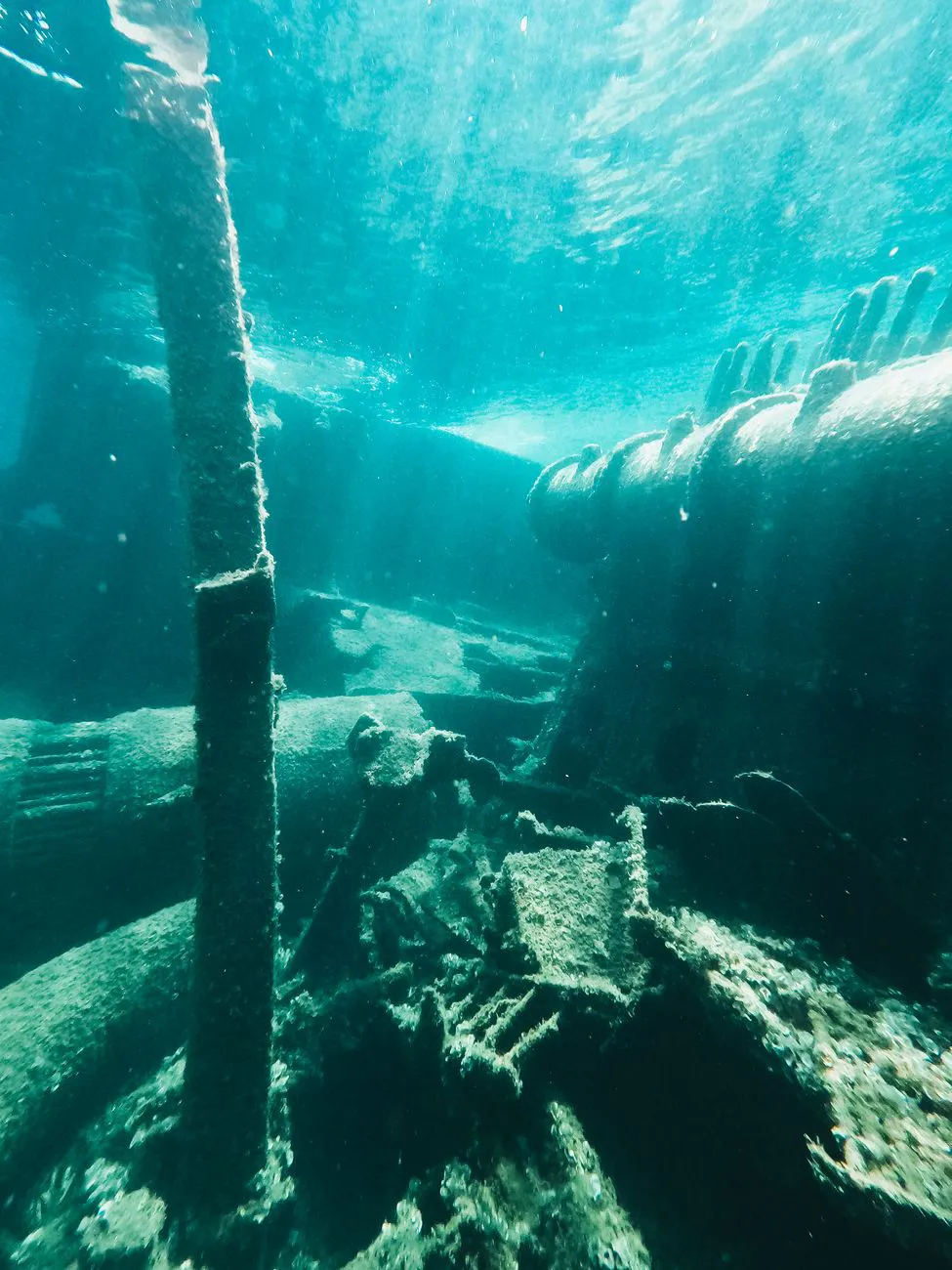
A shipwreck near Kekova, off southern Turkey, could be the world's oldest known example, according to the researchers investigating it. Hakan Öniz of Akdeniz University discovered the site in shallow water in 2024 after receiving clues from local seafarers. While the vessel's timbers have disappeared, pottery from its cargo remains embedded in a rocky underwater slope.
The vessels' shapes and manufacturing techniques suggest a provisional date of 2700–2400 BC, approximately 4,500 years ago. That would place it earlier than the previously oldest known wreck, off Dokos in Greece, estimated to be about 4,200 years old. However, the dating remains subject to revision, and the findings have not yet appeared in a peer-reviewed journal.
The cargo includes large, two-handled storage jars, some distinguished by a raised horizontal clay band. Visible residues could represent olive oil, wine or tree resin, although scientific analysis is pending. Some jars, or their constituent clay, may have originated in the Central Jordan Valley.
Although its direction is unknown, the ship was travelling along Turkey's southern coast. Its cargo could illuminate Early Bronze Age exchange networks across the eastern Mediterranean, potentially linking several ports.
At roughly the same period, Egypt traded through Byblos in present-day Lebanon, importing materials including cedar, metals, oils and resins. Scientific analysis has also linked silver acquired by Egypt around 2600 BC to mines near modern Athens. Vessels such as the Kekova ship may have participated in the wider maritime network connecting these regions.