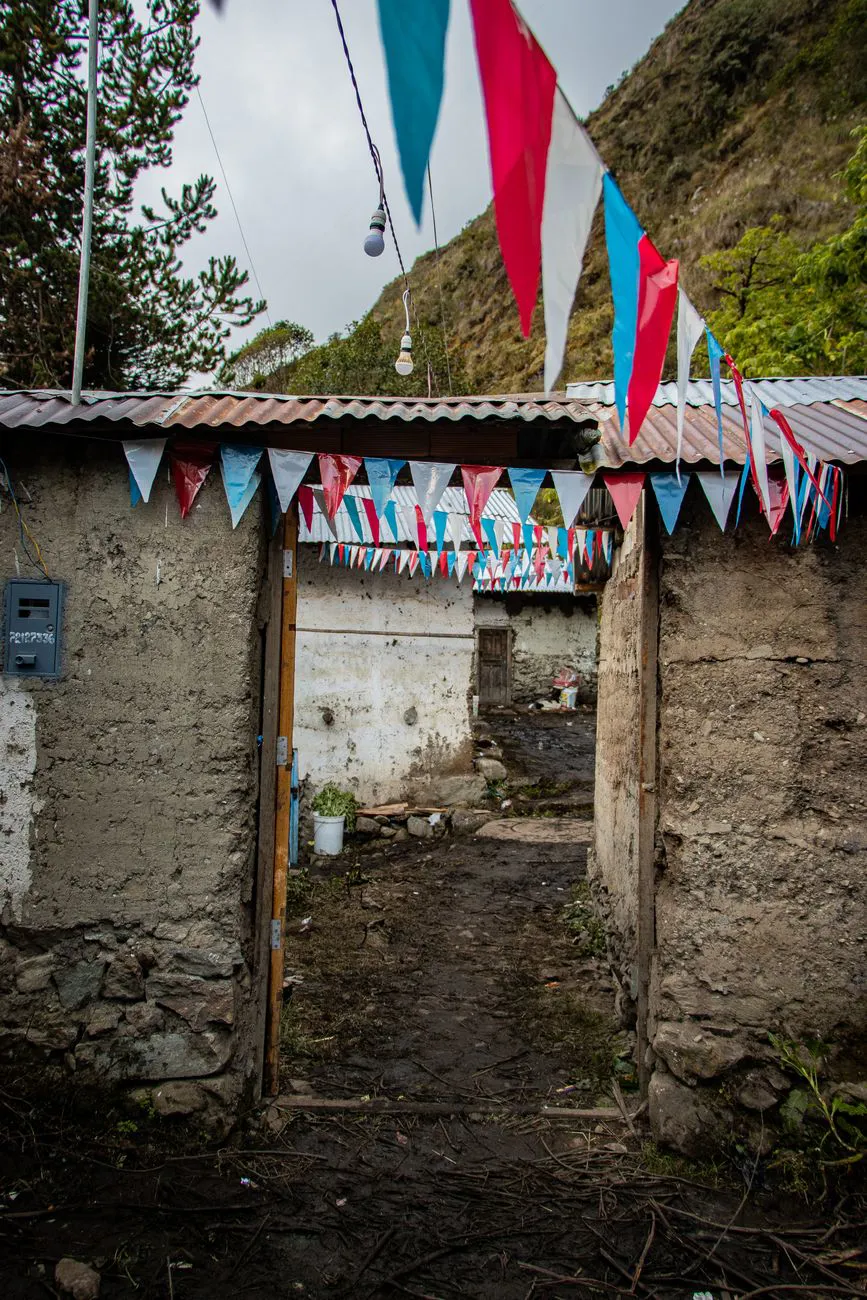
In Peru’s Andes, a red flag outside a building often means fresh chicha is available. This traditional corn drink is sold in shops, restaurants and informal drinking spaces within family homes. Passers-by are generally welcome to enter, sit down and socialise. Once the supply runs out, the flag comes down.
Corn drinks were part of Andean life long before the Inca Empire. Chicha still accompanies community work and celebrations marking a new home. During ceremonies, the first small amount is offered to the earth as a sign of gratitude and respect. The drink is also offered to the Sun during a traditional festival.
The most common variety uses yellow corn that has started to grow. It ferments for several days, a process that produces alcohol, usually reaching around five per cent. An alcohol-free version uses purple corn boiled with pineapple, cinnamon, cloves and sugar instead. Strawberry versions are also found around Cusco and the Sacred Valley.
Drinking chicha is a social tradition, with home-based venues providing places for people to gather. Restaurants throughout Cusco and the Sacred Valley also serve it. In Lima, bars mix the purple corn version into alcoholic cocktails. For a more everyday experience, market vendors sell homemade versions of both the yellow and purple corn drinks.