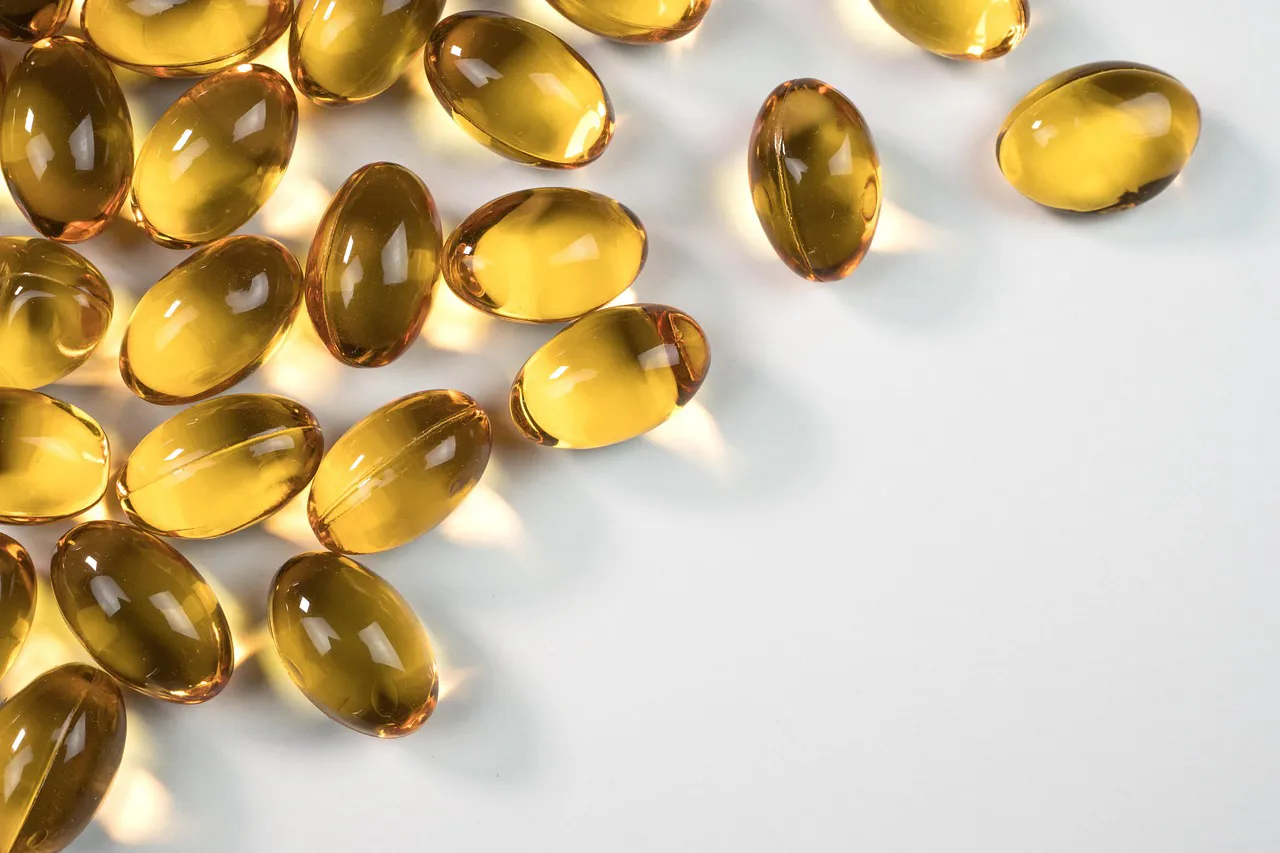
Statins are cholesterol-lowering medicines used by more than 200 million people worldwide. They help prevent heart attacks and strokes, but some patients experience muscle pain, weakness or tiredness. In a small number of cases, severe muscle damage can lead to kidney failure. Muscle problems also cause some patients to stop treatment, potentially losing its protection against heart disease.
Researchers focused on atorvastatin, a commonly prescribed statin. Using a highly detailed imaging method, they examined a protein that acts as a gate for calcium inside muscle cells. Normally, this gate releases calcium when muscles need to contract. The team discovered that three statin molecules can work together to keep it open. The first attaches while the gate is closed and makes it more likely to open. Two further molecules then hold it open, allowing calcium to leak continuously and potentially damage muscle tissue.
Similar interactions may occur with other statins. The findings could help scientists change the parts of these medicines that affect muscle proteins, while keeping their ability to lower cholesterol. However, further research and medicine development are needed before the discovery can lead to new treatments. The aim is to produce safer medicines that patients find easier to continue taking.