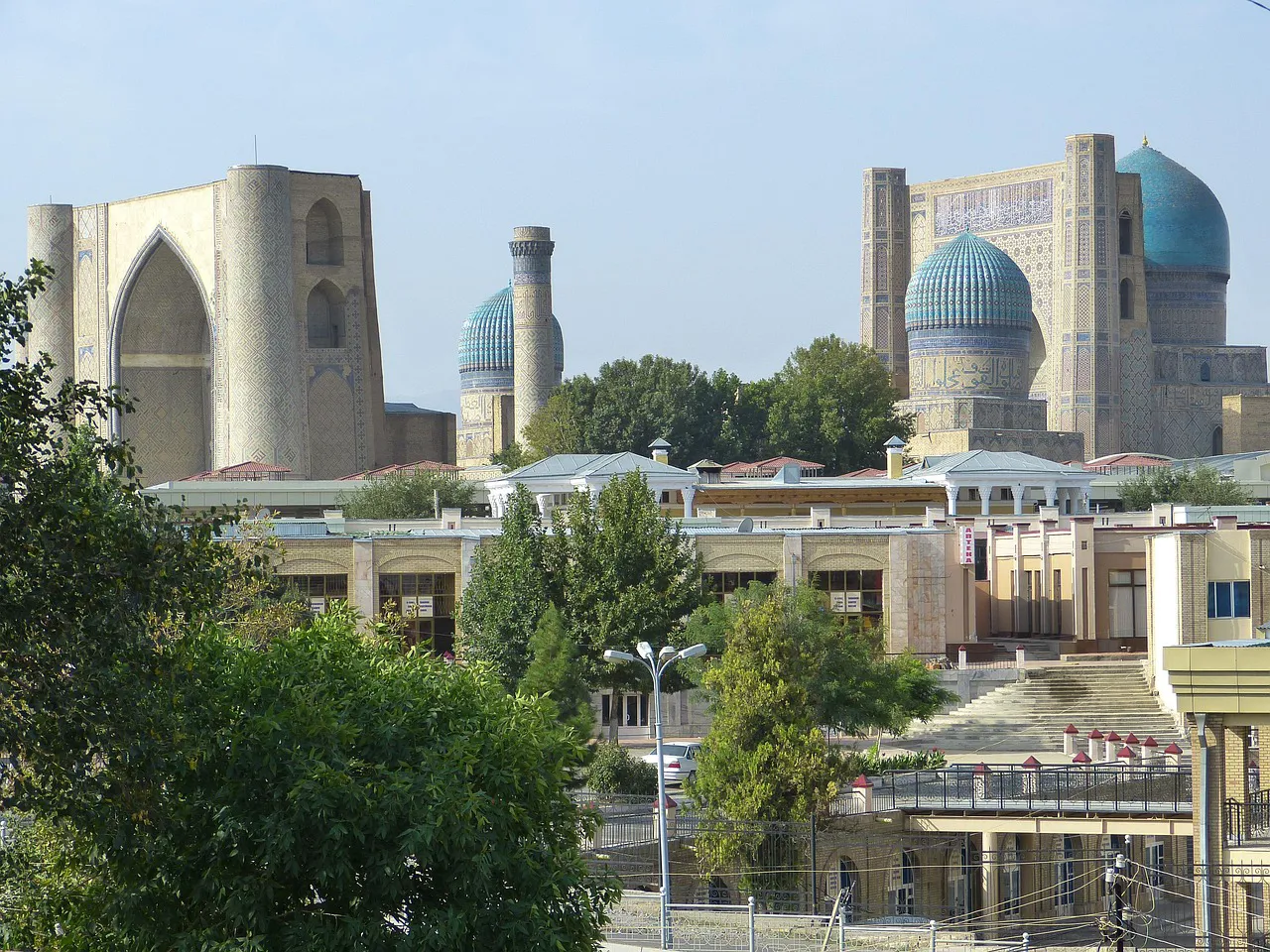
Samarkand’s historic streets are both a UNESCO World Heritage site and a setting for everyday life, with schools, shops and workshops operating beside celebrated monuments. Once a crossroads of Silk Road trade, ideas and cultures, the Uzbek city now faces the challenge of accommodating growth without eroding its identity.
According to the rector of its tourism and cultural heritage university, Samarkand received approximately seven million visitors in 2025. Arrivals exceeded ten million during the first nine months of 2026, with around 14 million expected by year’s end. The university is preparing Central Asia’s first tourism observatory within UN Tourism’s international network, intended to assess impacts on employment, the urban environment and residents’ lives.
Conservation research is addressing the legacy of restoration undertaken in the 1990s, when gypsum, concrete and reinforcing steel were used. Experts are investigating alternative materials that will not damage historic structures. Laser scanning enables three-dimensional modelling to detect potentially dangerous deformation and identify structures needing support.
Housing presents another priority: more than 1,100 apartment buildings have been constructed in Samarkand Region over eight years. UN-Habitat and the national government are developing a housing profile, while the city’s master plan to 2040 considers both expansion and the condition, affordability and energy efficiency of existing homes.
UN-Habitat specialist Katja Schaefer advocates upgrading homes and services in established neighbourhoods rather than replacing them, while steering new growth beyond the historic core. Residents, she argues, should participate in neighbourhood decisions so that heritage protection and improved living conditions reinforce one another.