Although ageing is a major risk factor for glaucoma and cataracts, a review of 41 studies suggests that exposure to air pollution may also contribute to their development. Together, the studies involved millions of people across East Asia and the UK. Glaucoma damages the optic nerve, which transmits visual information to the brain, potentially causing permanent sight loss. Cataracts occur when the lens becomes cloudy, impairing vision and potentially leading to blindness.
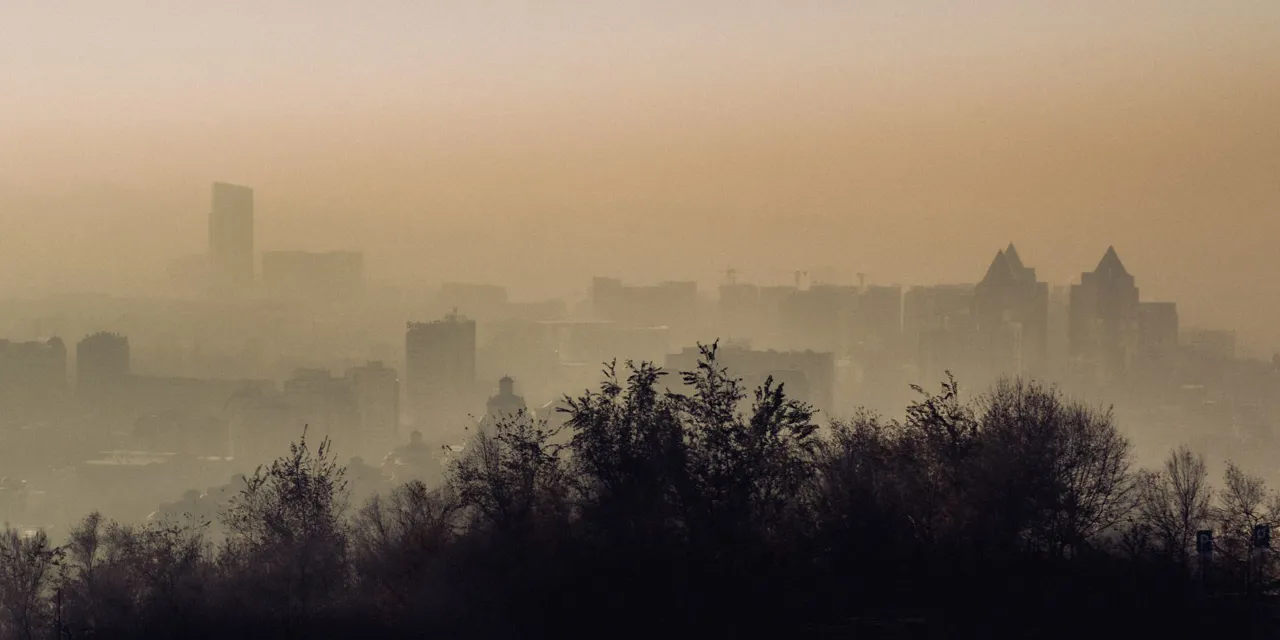
The clearest associations concerned PM2.5, airborne particles measuring 2.5 micrometres or less. Higher exposure was associated with greater glaucoma and cataract risk. Most studies estimated long-term exposure around participants’ homes and communities, drawing on monitoring networks, satellite observations and computer models. The association with glaucoma was relatively consistent across studies, while the cataract findings showed greater variation. Evidence concerning other pollutants and age-related macular degeneration, a condition affecting detailed central vision, was less consistent. Because the studies were observational, these associations do not establish that pollution caused the diseases.
Researchers propose that fine particles entering the body could trigger oxidative stress, in which damaging molecules overwhelm natural defences, alongside persistent low-level inflammation. These processes may harm proteins that maintain lens transparency or damage retinal nerve cells involved in transmitting visual information. The eye’s continuous contact with outdoor air also provides a possible direct route for damage. Supporting experiments have found increased eye pressure in mice exposed to PM2.5 and disrupted development in laboratory-grown human retinal tissue. However, how these potential mechanisms interact in people remains uncertain.