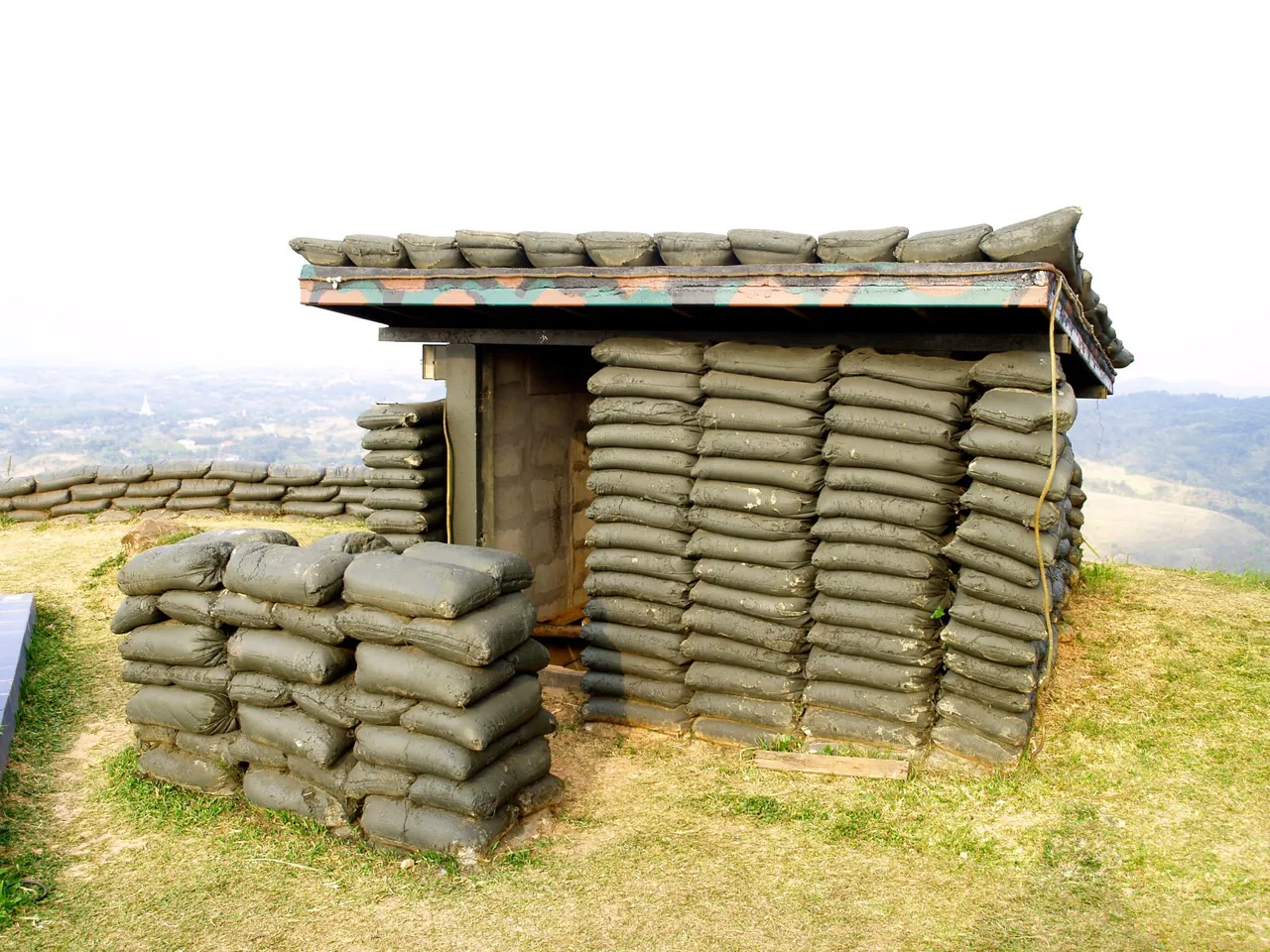
The Pentagon is developing a requirement for every major military installation in the continental United States to sustain essential operations independently for at least 90 days. Part of the FORTRESS initiative, the proposed standard addresses the possibility that war could sever electricity supplies and disrupt supply chains. It extends self-sufficiency beyond power to water, fuel and communications.
Defence Secretary Pete Hegseth unveiled FORTRESS on 30 September, initially pledging that major bases would generate electricity independently of civilian networks. The plans envisage portable nuclear reactors, large-scale battery storage and microgrids capable of operating separately from the wider grid. In August, the Army announced awards worth up to $2.2 billion for nuclear microreactors at five bases.
FORTRESS also calls for reserves of ammunition, fuel, critical minerals, electronics, spare parts and medical supplies. The military's most critical dependencies would require at least two qualified supply or production routes. Commercial factories would also be identified for potential conversion to defence production during a crisis.
Britain, meanwhile, launched Be Ready on 22 October, advising households to maintain three days of emergency supplies. Recommendations include three litres of drinking water per person daily, food requiring neither cooking nor refrigeration, torches, first-aid supplies and cash in case electronic payments or cash machines fail.
The British initiative is the opening stage of a three-year campaign addressing severe weather and other emergencies, following household preparedness guidance published in May 2024. Neither government has said a new war is imminent, and coordination between the two efforts has not been established.