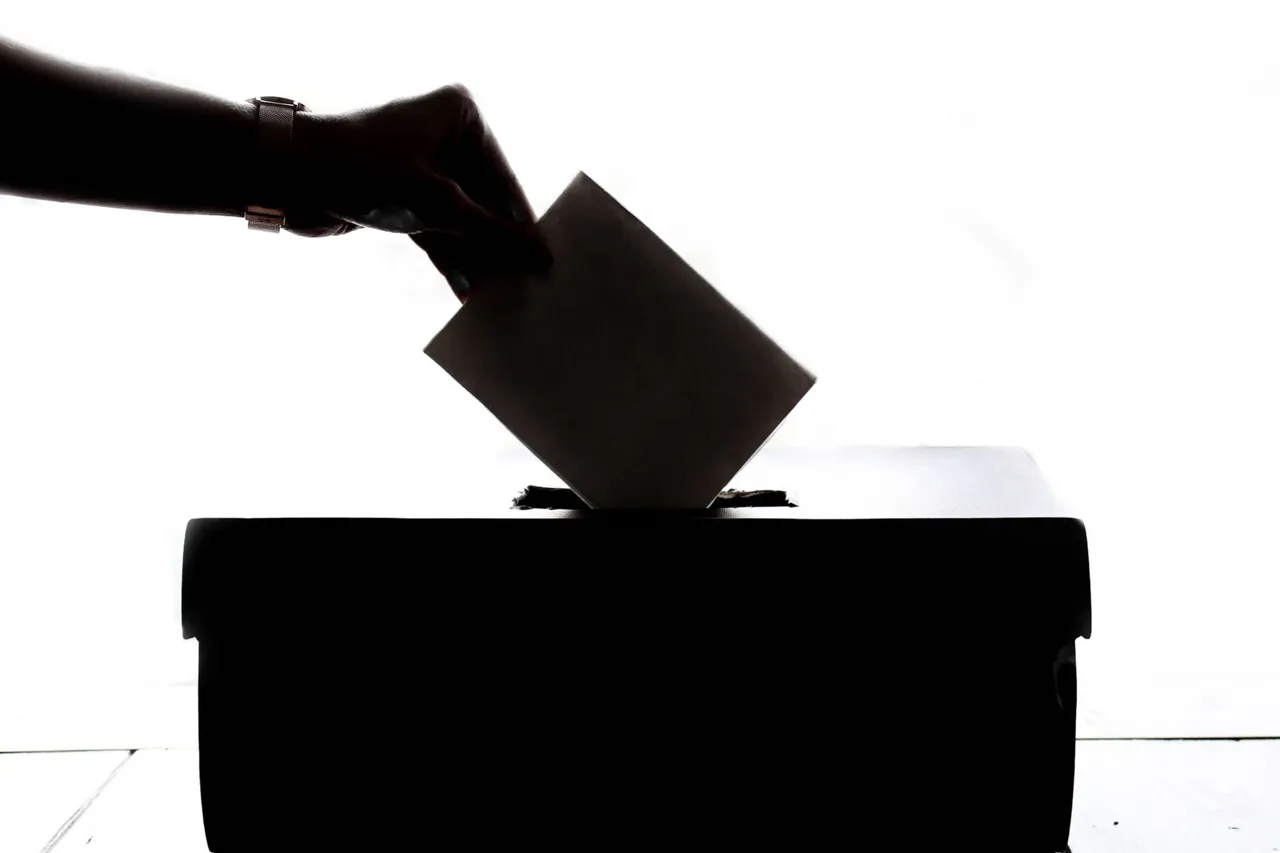
Lula da Silva has secured a fourth presidential election victory, becoming the first candidate to win after trailing in the opening round since Brazil introduced its two-round system in 1989. Turning 81 on 27 October, the Workers’ Party leader has pledged to deliver the best presidential term in the country’s history.
The son of farmers who could neither read nor write, Lula worked as a street vendor and shoe cleaner before training as a metalworker. His emergence as a trade union leader, particularly through strikes between 1978 and 1980, paved the way for the Workers’ Party’s foundation in 1980.
Following unsuccessful presidential campaigns in 1989, 1994 and 1998, he won in 2002 and served two terms. He was Brazil’s first president to have worked as both a manual worker and a trade union leader. His political career was later interrupted by criminal proceedings arising from the Car Wash corruption investigation.
Imprisoned in 2018, Lula was released in November 2019 after 580 days in custody following a change in Supreme Court case law. In 2021, the court annulled his convictions because the court in Curitiba lacked jurisdiction to try him. This restored his path to the presidency, which he regained in the 2022 election.
His latest electoral comeback nevertheless leaves him governing a country markedly different from the Brazil of his first two terms. Society remains deeply polarised, Congress is dominated by the centre-right, and the movement associated with Jair Bolsonaro retains considerable electoral strength.