

Researchers in the United States have developed a new technology that enhances electron microscopes through laser assistance. According to the report, the system offers around 10,000 times the magnification of standard microscopes. That level of power allows molecule and cell structures to be seen far more clearly than before. Electron microscopes are already used to examine extremely small details, and this new approach pushes that capability further. The result is a tool that may help scientists look more closely at tiny biological structures with improved clarity.
scienceAdvanced1 min read6/16/2026
Laser-assisted electron microscope technology boosts imaging power
US researchers have developed a new laser-assisted technology that strengthens electron microscopes. It offers far greater magnification than standard microscopes and can reveal molecule and cell structures with much greater clarity.

More stories to read
 health2 min read10/27/2026
Unknown mushroom compound may explain visions of miniature humans
Genetic analysis has linked reports of miniature human hallucinations in China and the Philippines to one mushroom species. Researchers now aim to isolate the suspected compound, which could offer insights into visual perception.
 ai2 min read10/27/2026
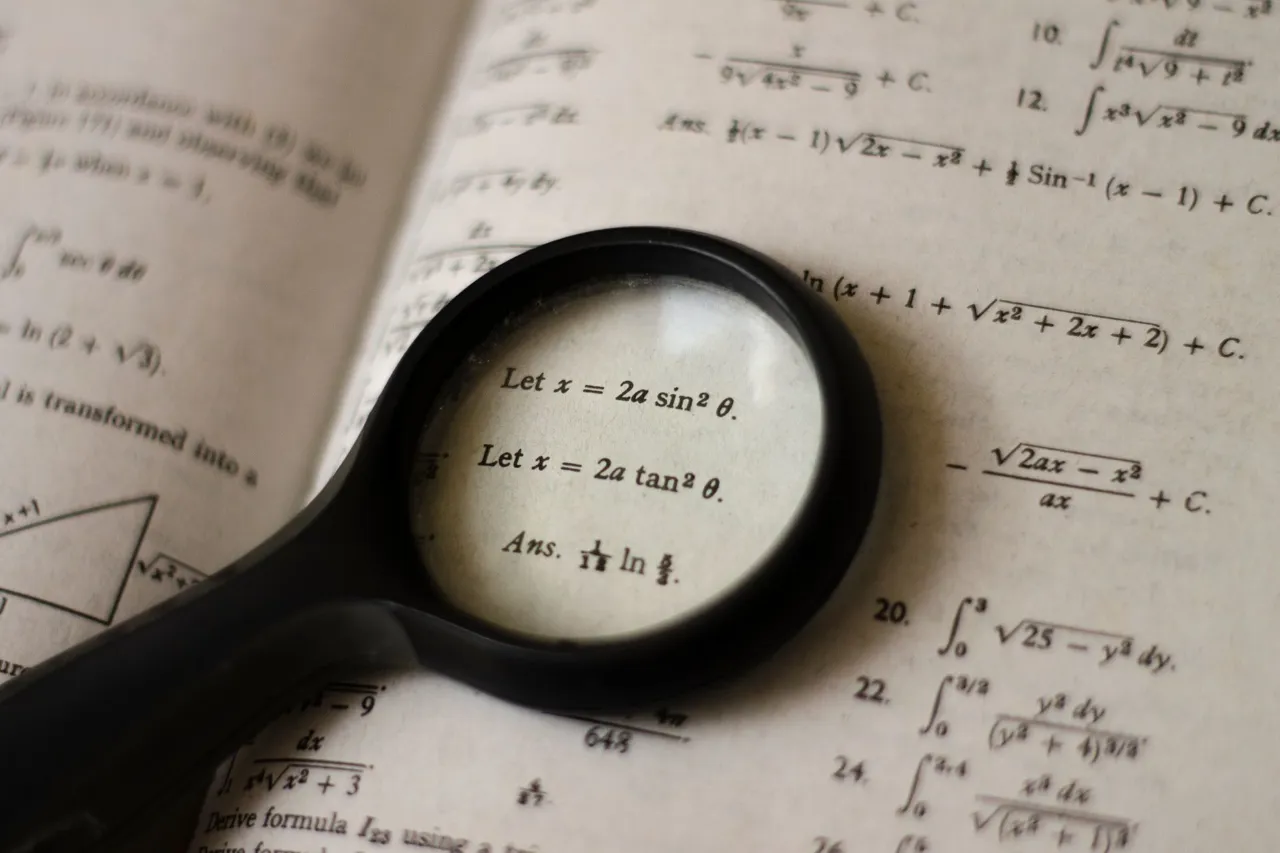
OpenAI’s claimed breakthroughs face independent scientific scrutiny
OpenAI has announced AI-generated proofs spanning mathematics, computational complexity and quantum physics, while adopting different publication and review arrangements for each project.
 business2 min read10/27/2026
Westinghouse expands advanced nuclear fuel manufacturing with $1 billion plant
The Columbia project will scale up production of higher-enrichment fuel for commercial reactors, while separate eVinci trials will help refine microreactor simulations.
 health2 min read10/27/2026
Inconsistent blood pressure medication use linked to weaker cardiovascular protection
An analysis of 91,339 trial participants associated higher medication adherence with greater blood pressure reductions and fewer major cardiovascular events.
 ai2 min read10/27/2026
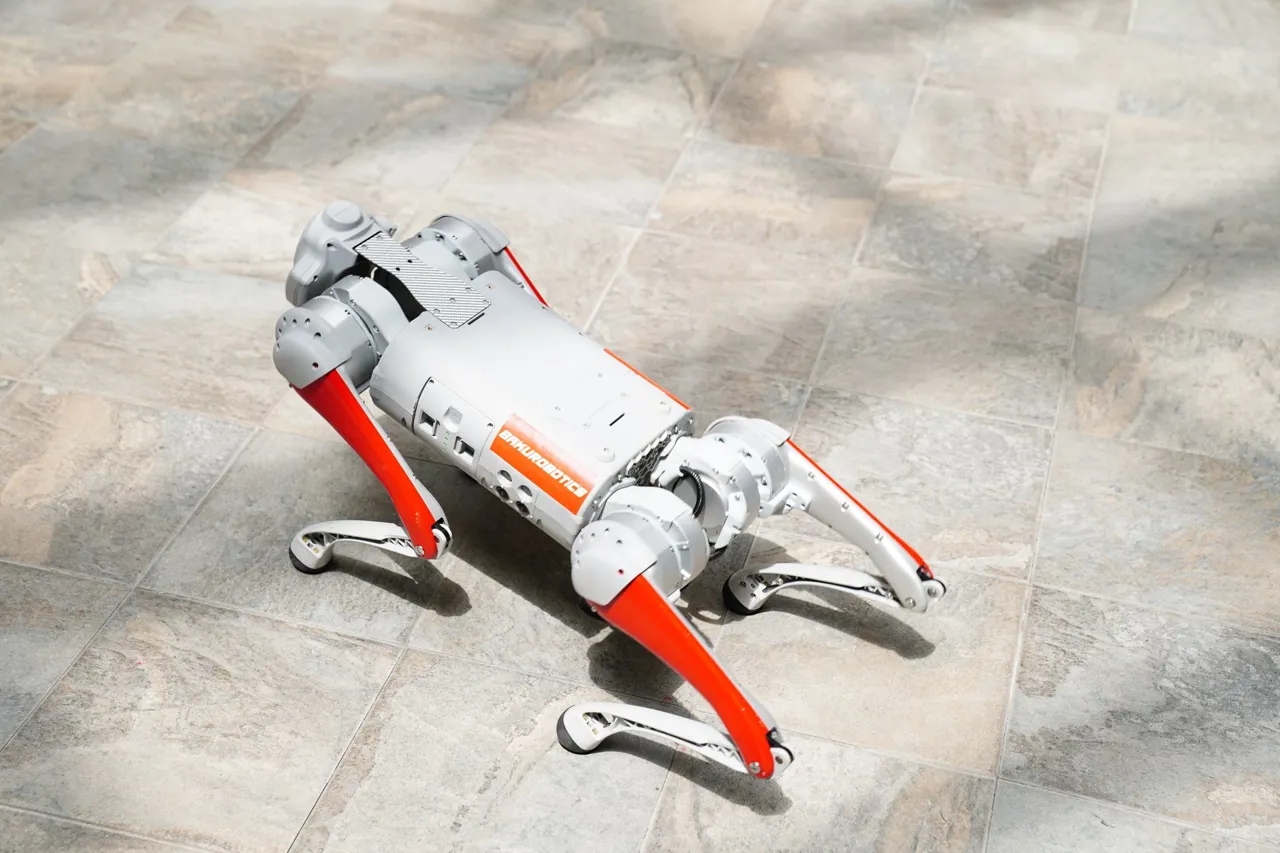
ANYmal-D solves giant Rubik’s Cube through coordinated foot movements
Researchers at ETH Zurich and NVIDIA demonstrated three autonomous cube solutions, combining onboard perception, movement planning and skills trained through reinforcement learning.