

As technology companies shift attention from chatbots such as ChatGPT, Gemini and Grok towards AI agents, systems that can carry out specific tasks on their own, a new KAIST study points to a major cost: electricity. The research is among the first to measure AI agent power consumption with concrete figures, and it suggests that the move from one-shot chat responses to multi-step autonomous work can be extremely energy-intensive. In tests on a 70-billion-parameter large language model close to commercial scale, a single complex agent query used an average of 348.41 watt-hours. The Reflexion framework, running on Meta’s Llama-3.1-Instruct 70B model, consumed 136.5 times more GPU energy per query than a standard chatbot, while LATS reached 62.1 times that level. The study also found that response times could be up to 153.7 times longer, largely because GPUs spent much of their time waiting for external websites or software tools rather than computing. The researchers project that if daily global use of AI agents reaches about 13.7 billion requests, total data-centre power demand could rise to around 199 gigawatts, roughly half of average electricity use in the United States. Professor Rhu Min-soo said software improvements alone are unlikely to solve the problem, and the team argues that AI models, microchips and data-centre electricity systems may all need redesigning.
KAIST study finds AI agents are far more energy-intensive than chatbots
Researchers at KAIST measured the power use of AI agents and found large gaps when compared with chatbots. They warn that wider use could strain data centres, chips and electricity networks.

More stories to read
 business2 min read10/27/2026
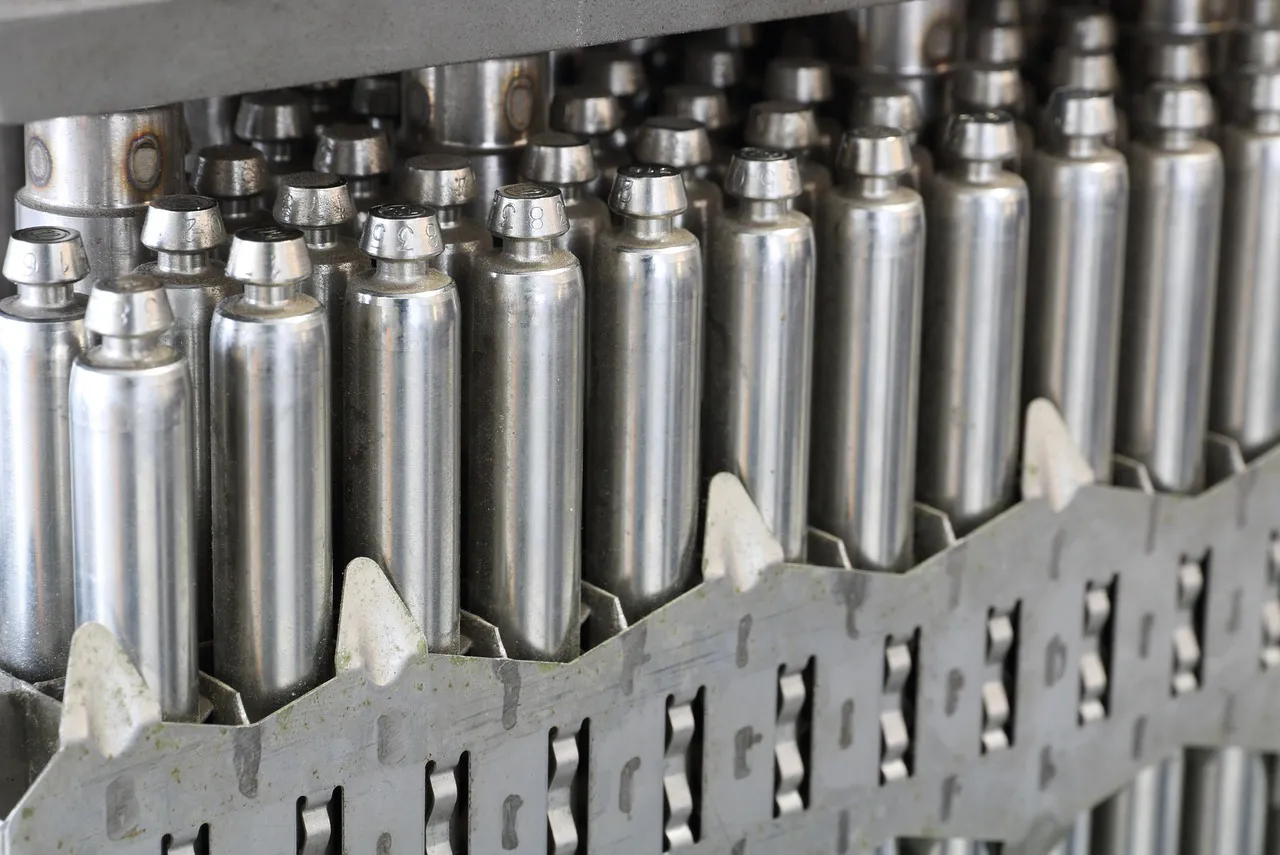
Westinghouse expands advanced nuclear fuel manufacturing with $1 billion plant
The Columbia project will scale up production of higher-enrichment fuel for commercial reactors, while separate eVinci trials will help refine microreactor simulations.
 environment2 min read10/27/2026
Colorado wildlife crossing exceeds collision-reduction target
North America’s largest wildlife overpass forms part of a crossing network that has reduced wildlife–vehicle collisions near Larkspur by 91%, while traffic delays have also declined.
 business2 min read10/26/2026
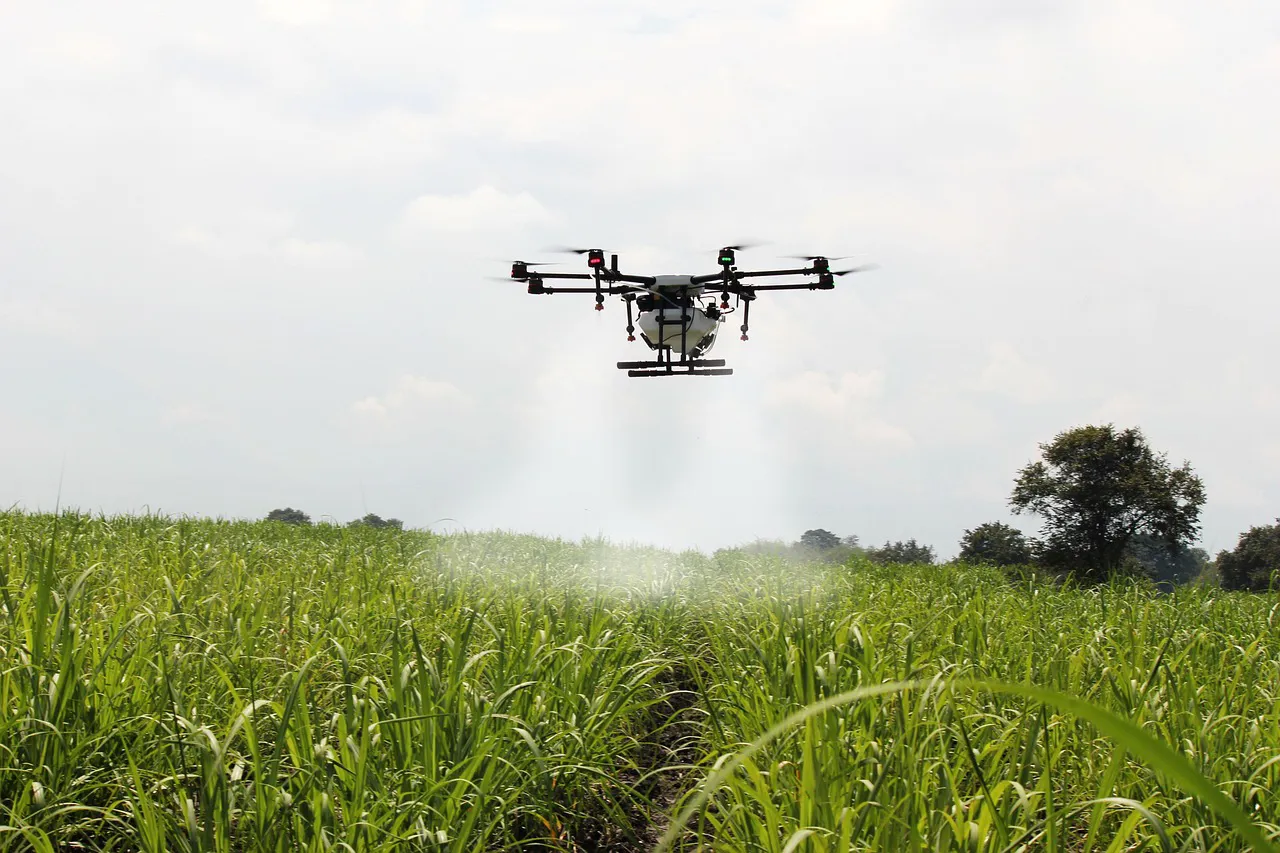
India links women-led farming to European trade opportunities
At SIAL Paris 2026, India presented agricultural innovation and women's growing influence alongside ambitions to strengthen its food brands in European markets.
 environment2 min read10/26/2026
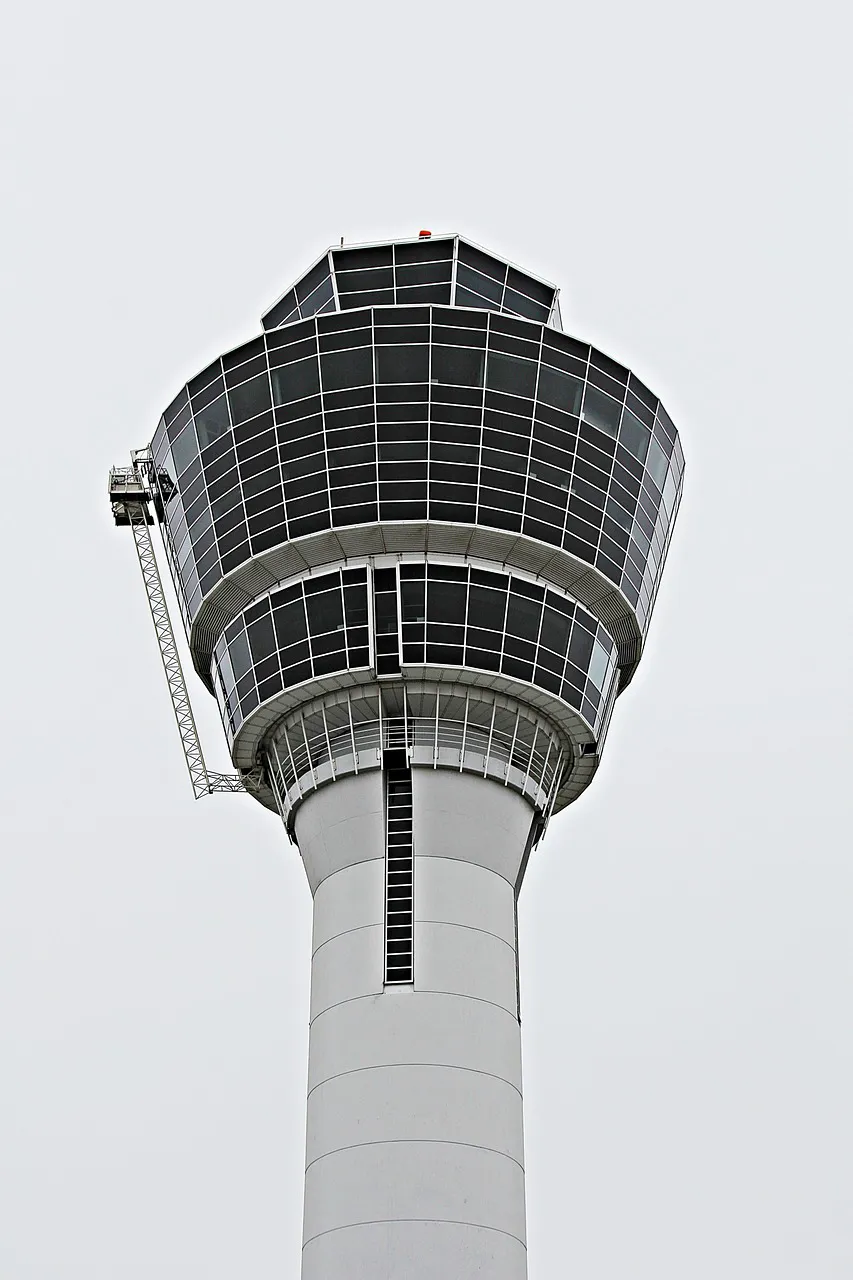
ICAO pushes for coordinated air traffic management across borders
Closer coordination between countries could reduce airborne holding, improve warnings for passengers and speed up recovery from disruption. ICAO-backed trials have demonstrated savings in flying time, costs and fuel.
 environment2 min read10/25/2026
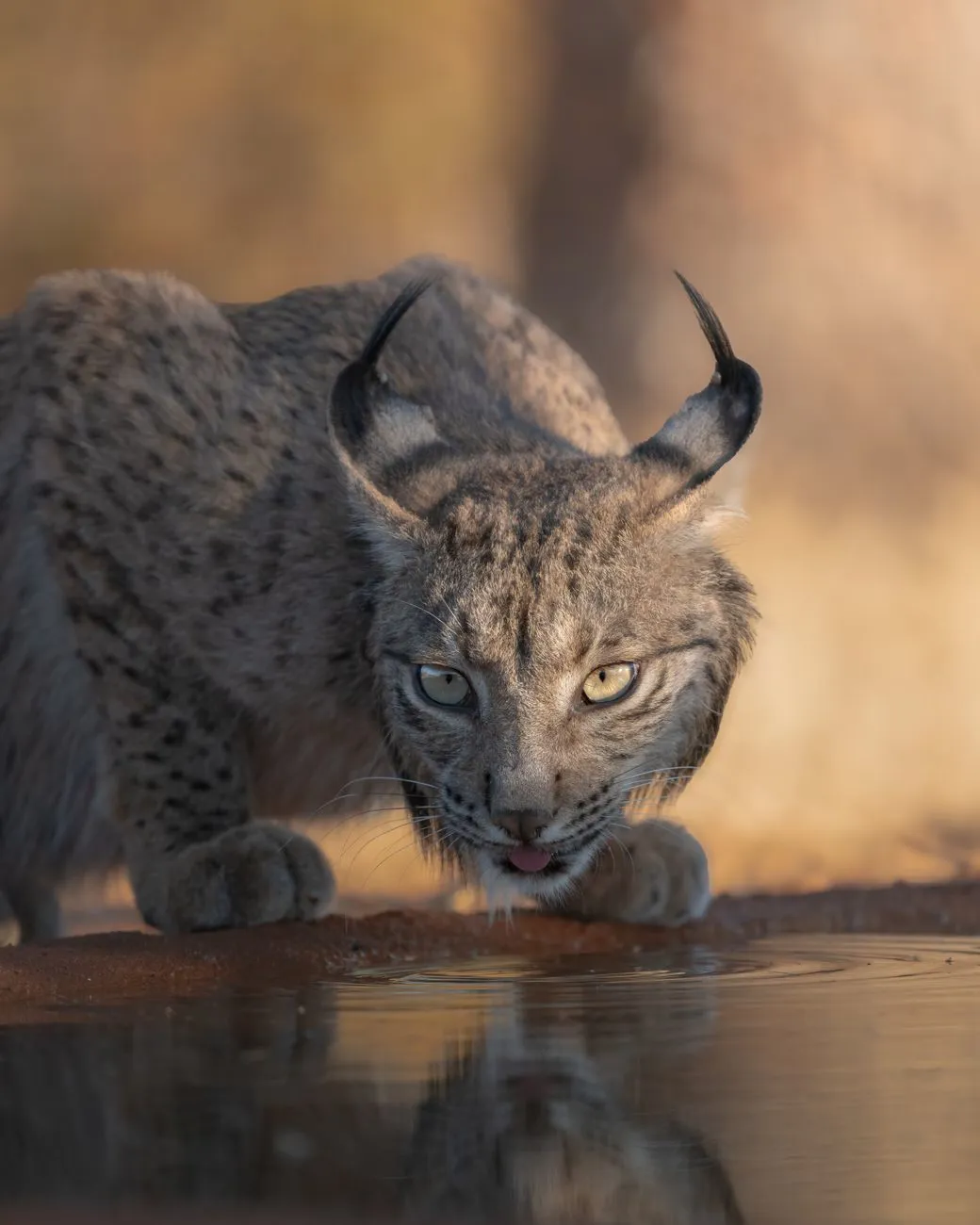
Iberian lynxes documented soaking prey in unprecedented wild-cat behaviour
Five years of camera-trap observations in Spain have revealed female Iberian lynxes repeatedly submerging dead rabbits before eating them. Scientists are considering several explanations for the behaviour, which has never previously been documented in a wild cat.