Japan’s Martian Moons Exploration mission, MMX, is scheduled to launch aboard an H3 rocket from Tanegashima Space Center at 4:41 am Japanese time on 20 October, equivalent to 8:41 pm British Summer Time on 19 October. Led by JAXA, with participation from the US, France, Germany and the European Space Agency, the spacecraft is expected to reach Mars in August 2027. NASA is providing scientific instruments, communications and navigation support, and funding for participating researchers.
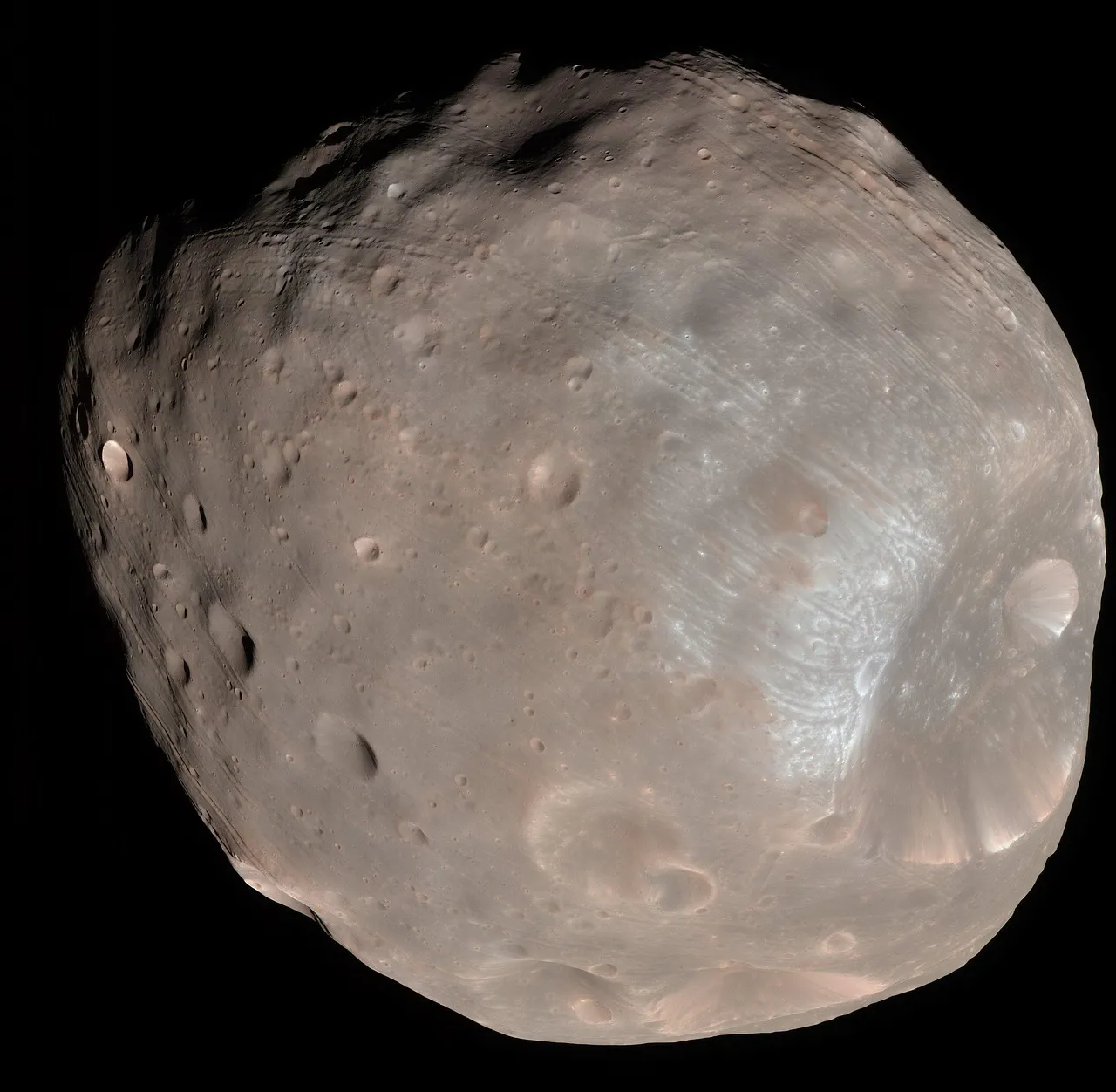
The mission seeks to resolve whether Phobos and Deimos formed from debris expelled by a major impact on Mars or were passing asteroids captured by the planet’s gravity. MMX will examine Phobos in detail while observing Deimos from farther away. Among its instruments, NASA’s MEGANE detector will measure gamma rays and neutrons to establish Phobos’s elemental composition. In early 2029, the spacecraft is due to release Idefix, a rover developed by Japanese, French and German partners, whose surface measurements will help guide the selection of a landing site.
A landing on Phobos is planned for 2030, with the spacecraft aiming to gather at least 10 grams of material. Its C-sampler can extract a subsurface core, while the P-sampler uses nitrogen gas to collect loose surface material. The samples are due to reach Earth in 2031, descending by parachute in Australia before transport to Japan. NASA will receive and curate about 15% of the returned material in Houston. Beyond clarifying the moons’ origins, the collection might contain material ejected from Mars by asteroid impacts.