India’s youth-led CJP movement began in May 2026 after the government cancelled medical school entrance exams and the country’s chief justice compared unemployed young people to cockroaches. The movement achieved an early success in July, when the education minister resigned. It has since turned its attention to a wider political dispute over voter lists.
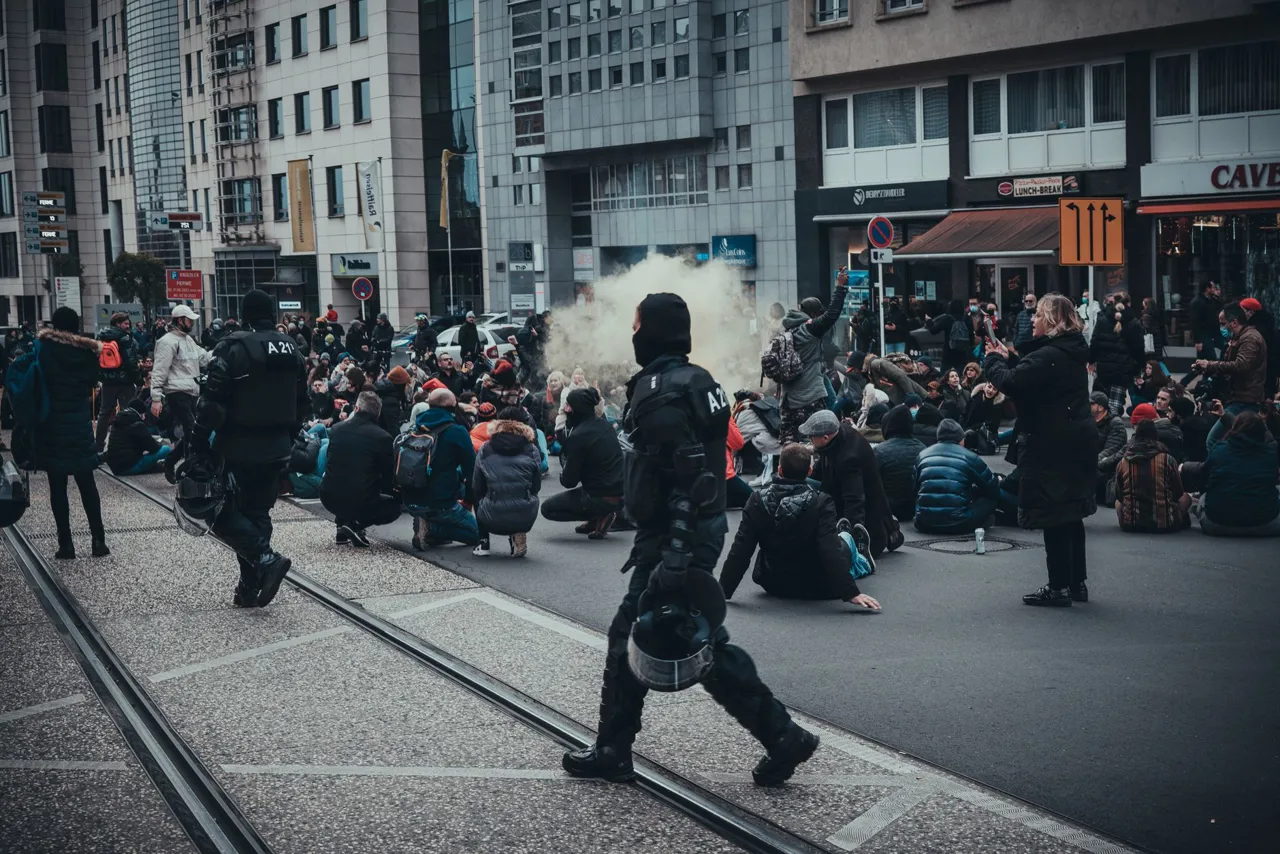
Critics claim that the Election Commission, which manages elections, has removed approximately 130 million names from these lists. Since 2 October, protesters have gathered in Delhi, Mumbai and other cities. They are demanding the resignation of election chief Gyanesh Kumar and a pause in removals while an independent investigation takes place. They also want the previous lists restored before the next elections. The commission says the changes are intended to remove repeated entries, people who have died and people who are not Indian citizens.
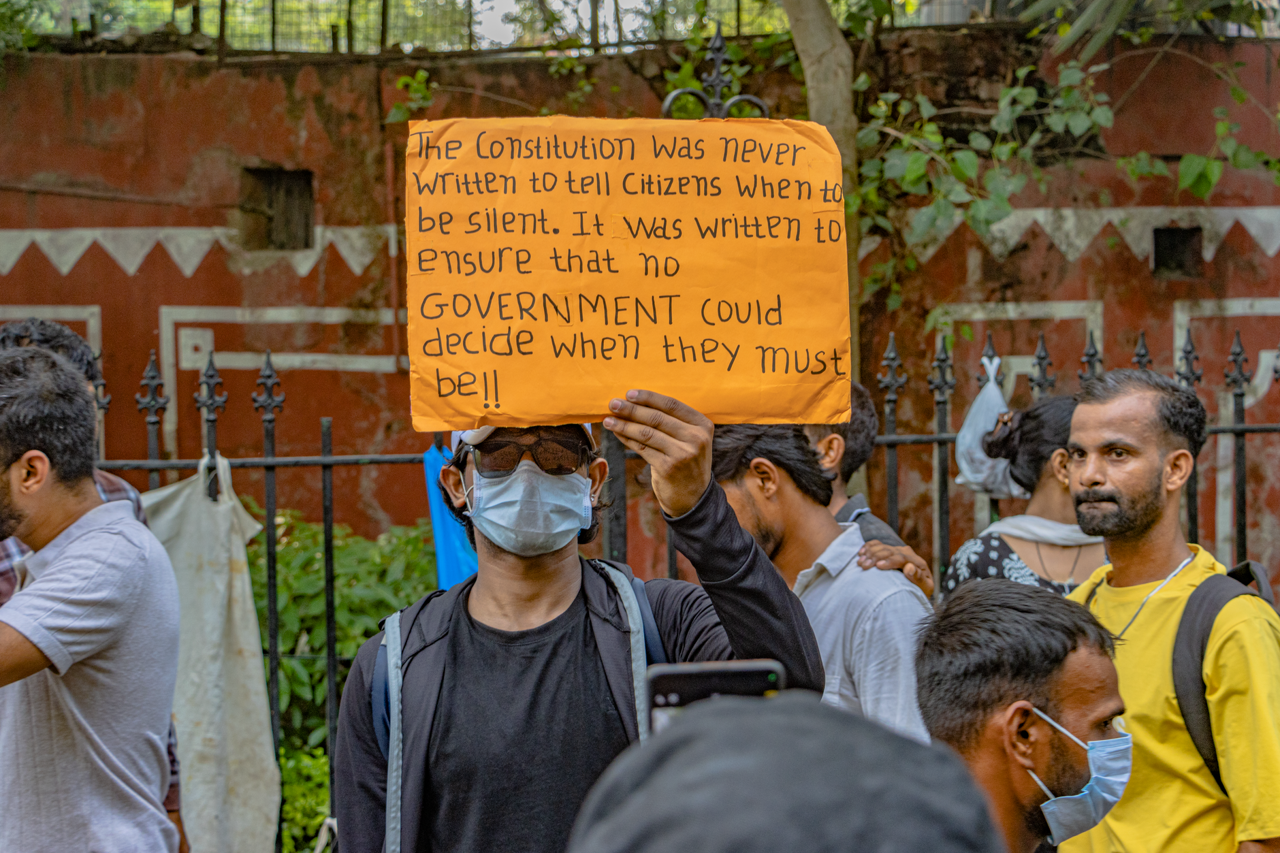
The government has strongly resisted the protests, and two CJP spokespeople have been detained. Prime Minister Narendra Modi and his party have refused to change their position on the voter lists, accusing the protesters of weakening democracy. The CJP, by contrast, regards peaceful protest and respect for India’s constitution as essential parts of democracy.