India’s predominantly Generation Z protest movement, the CJP, emerged in May 2026 following the cancellation of medical school entrance examinations and the chief justice’s comparison of unemployed young people to cockroaches. After securing an early victory with the education minister’s resignation in July, it has broadened its campaign to challenge disputed changes to the country’s electoral rolls.
Critics allege that the Election Commission has deleted approximately 130 million names. Demonstrations across Delhi, Mumbai and other cities since 2 October have demanded Chief Election Commissioner Gyanesh Kumar’s resignation, a suspension of deletions pending an independent inquiry, and reinstatement of the previous rolls before the next elections. The commission maintains that its revision targets duplicate entries, deceased voters and noncitizens. Critics, however, warn that poor Muslims, Dalits and migrant workers may struggle to produce the older documents needed to establish their eligibility.
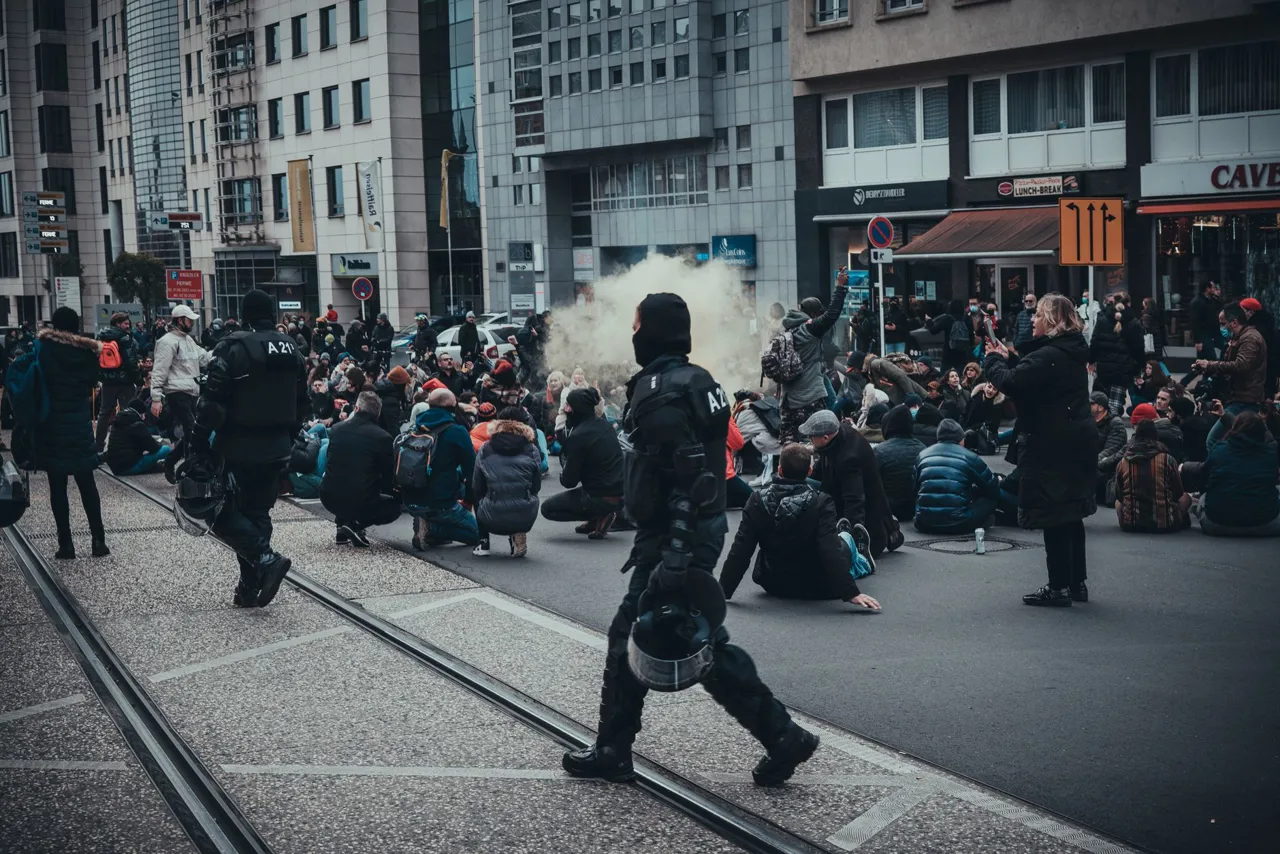
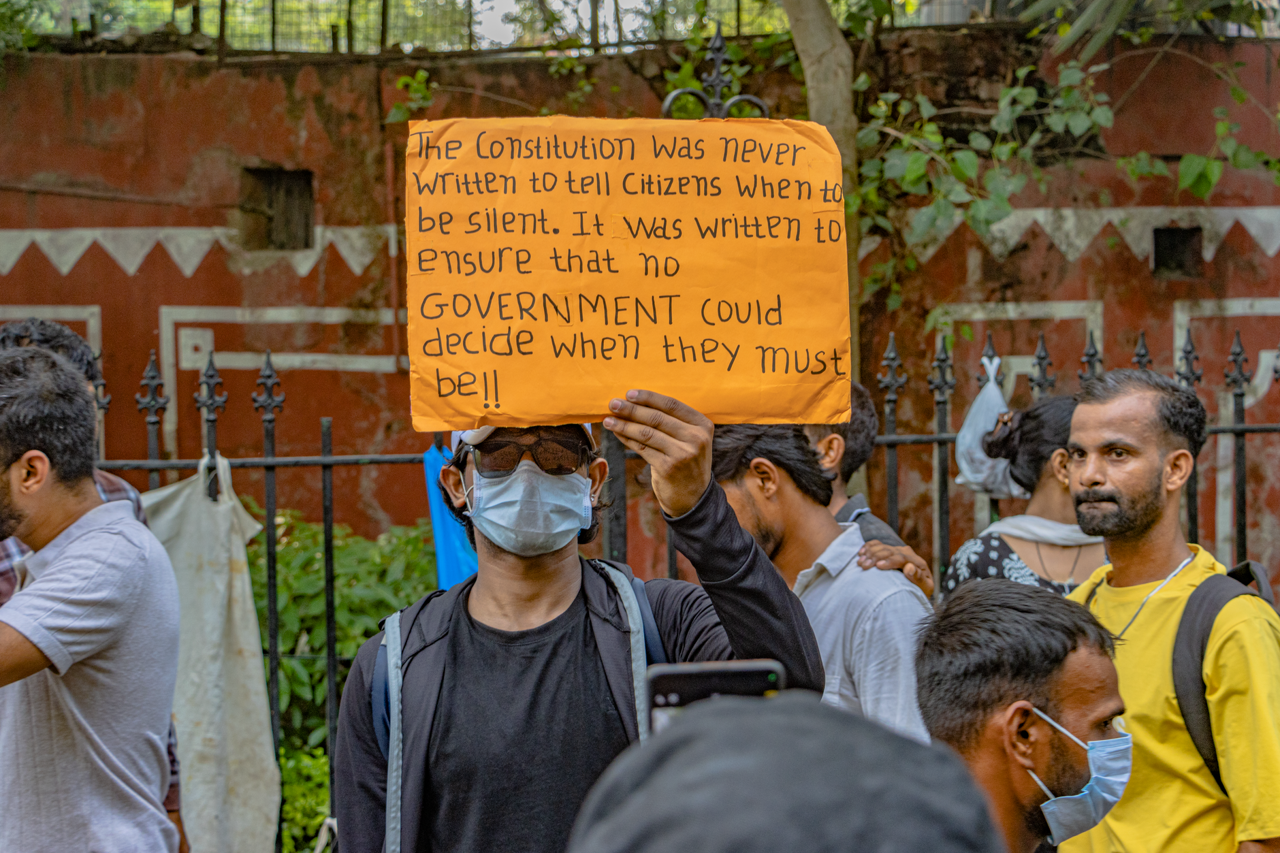
The authorities’ crackdown has included the detention of two CJP spokespeople, while Prime Minister Narendra Modi and his party have rejected the movement’s demands and accused demonstrators of undermining democracy. The CJP instead presents peaceful dissent and constitutional protections as fundamental democratic principles. Alongside its use of humour, the movement operates an online platform where protesters submit photographs and videos of police violence, which volunteer lawyers use to file complaints against officers. Nevertheless, its support remains concentrated in urban areas, and developing a lasting organisation and longer-term demands remains a challenge.