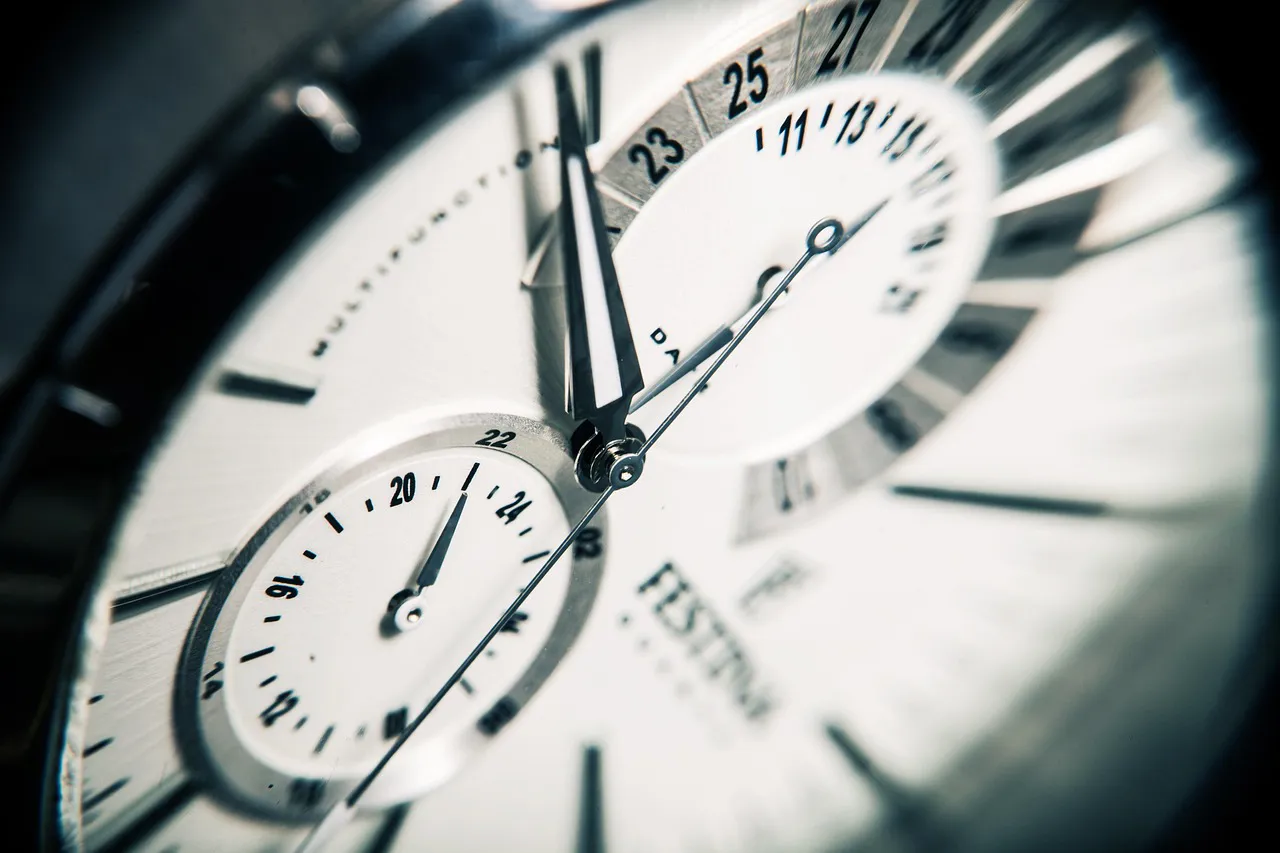
Europe will change its clocks again on 25 October 2026, despite earlier plans to end the practice. In most of central Europe, clocks will move back from 3 am to 2 am. This gives people who do not work at night an extra hour to sleep. Daylight will arrive earlier in the morning, while evenings will become dark earlier. Clocks move forward again in spring.
In a 2018 European Union consultation, which asked people for their views, 84% of respondents supported ending seasonal clock changes. The European Parliament backed a proposal in 2019 by 410 votes to 192. The changes were originally due to end in 2021, but EU member states have not approved the final law. They remain divided over whether summer time or winter time should apply throughout the year.
Different national choices could create business and organisational problems, so the plan remains on hold until countries agree. The COVID-19 pandemic and Russia’s full-scale invasion of Ukraine also reduced its political priority. An agreement is unlikely soon. France introduced summer time in 1976 to save energy following the oil crisis. West Germany and other EU countries followed in 1980 to bring their time systems into line. Today, the energy-saving argument is widely considered outdated.