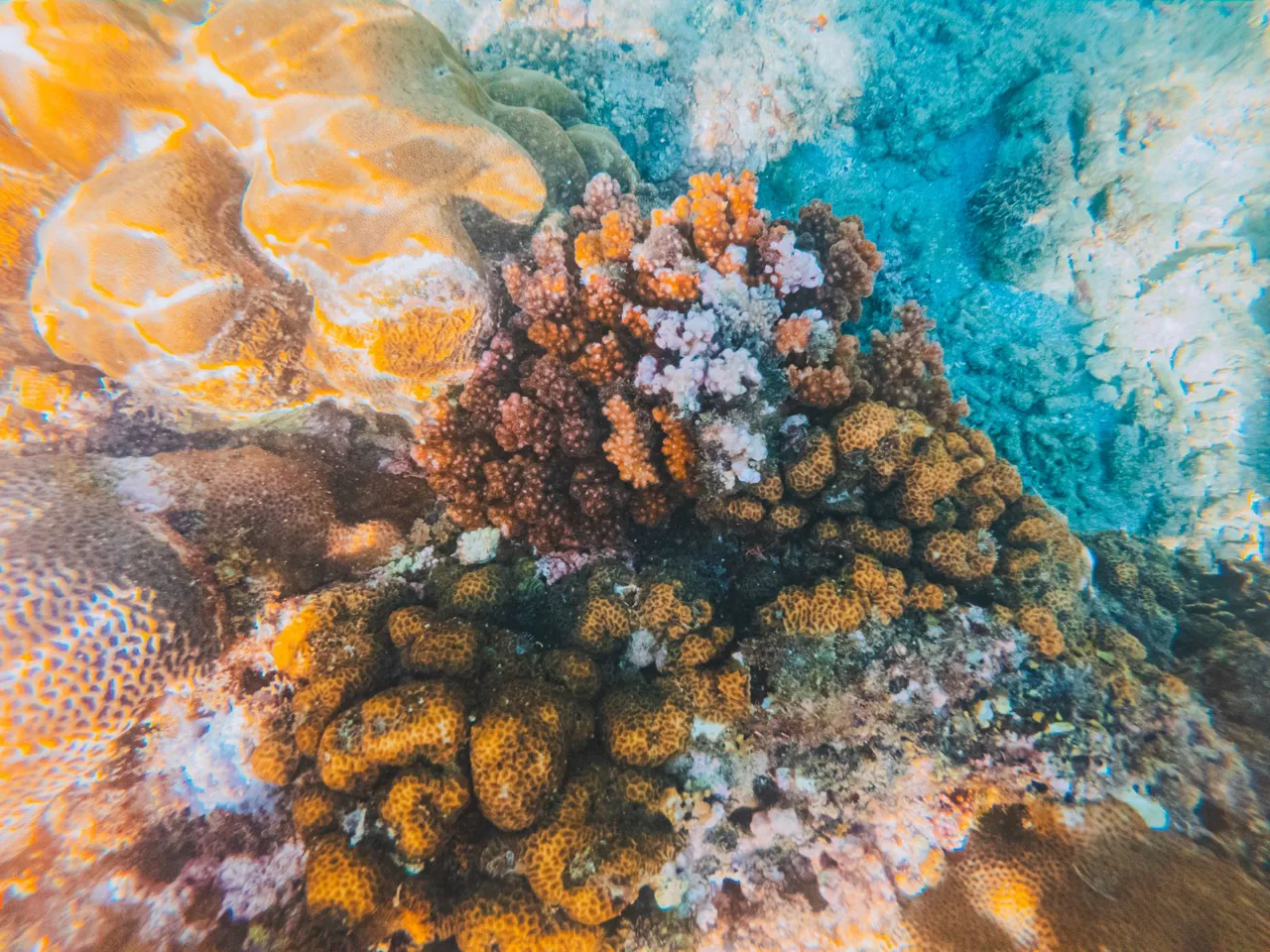
Bleached corals recovered within seven weeks after contact with healthy, genetically identical fragments in a Stanford University laboratory experiment published in Science Advances. Bleaching occurs when excessively warm water prompts corals to expel the microscopic algae that supply much of their energy, leaving them vulnerable to starvation. The investigation followed an accidental observation in 2025: Professor Steve Palumbi noticed colour returning where a healthy fragment had fallen against a bleached one from the same colony.
Lead author Danny Collins arranged ten pairs of fragments, each comprising a healthy and a bleached piece from the same colony. Five pairs were allowed to touch; the remainder were separated by a few millimetres. Every bleached fragment in the touching pairs recovered, whereas those kept apart died. Tissue fusion created microscopic channels through which algae and nutrients could pass, with algae transfer beginning within three days. Some fragments acquired enough algae after just five days of contact to complete their recovery independently. During the second week, algae numbers doubled every four days—roughly ten times faster than in wild corals—indicating that multiplication within damaged fragments drove continued recovery.
Despite these results, the technique is not ready for reef-wide application: tissue fusion requires genetically identical corals, meaning each damaged coral would need a healthy clone. Researchers plan to investigate alternative ways of delivering beneficial algae. The approach could support restoration after marine heatwaves, but it does not prevent heat damage or remove the need to address rising sea temperatures.