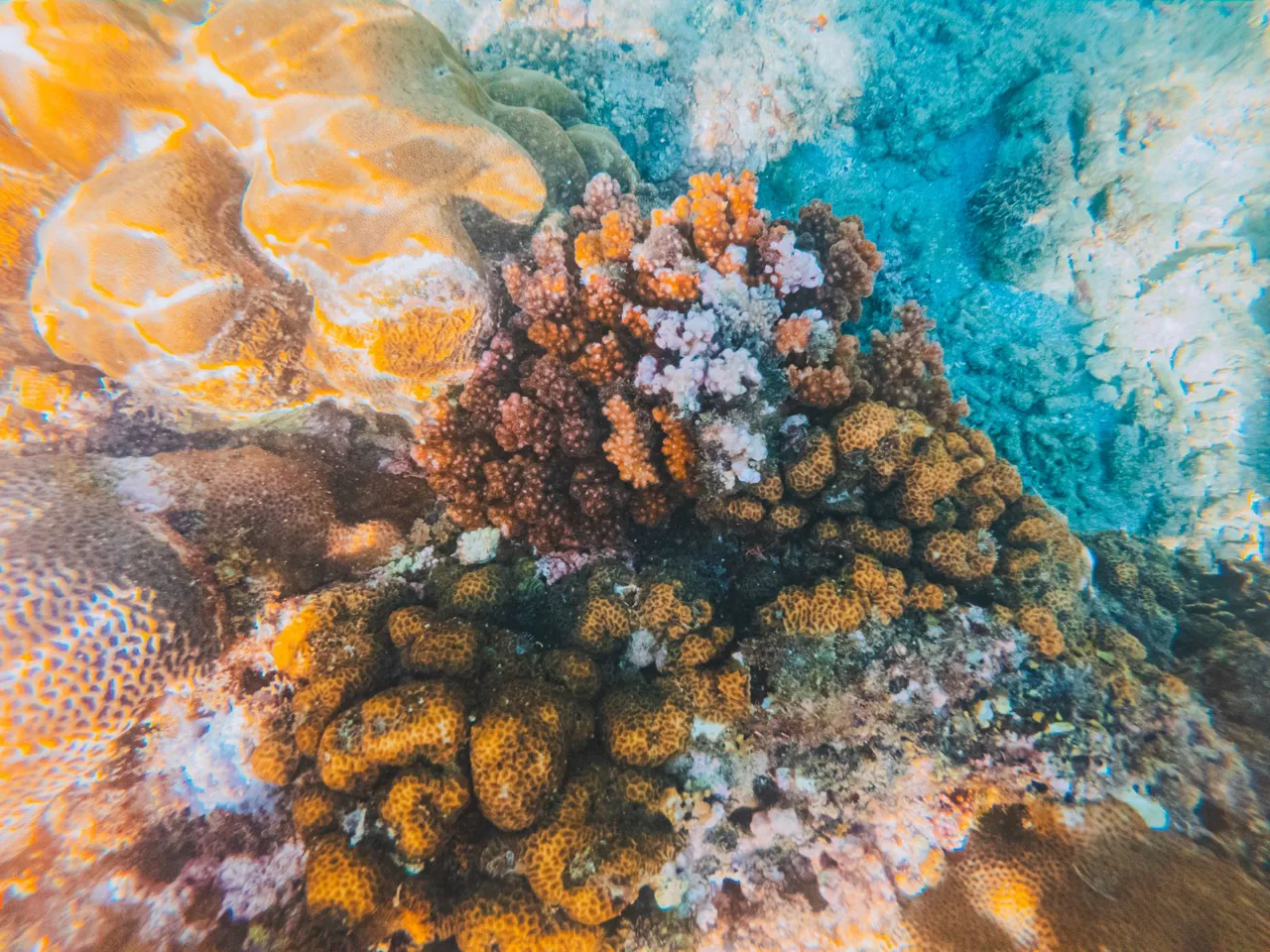
Scientists at Stanford University have helped bleached corals recover by putting them in contact with healthy copies. Bleaching happens when unusually warm water causes corals to lose algae, tiny organisms that provide much of their energy. Without these partners, corals become pale and risk starving.
The researchers tested ten pairs of coral fragments, each containing a healthy piece and a bleached piece from the same colony. Five pairs touched, while the others remained a few millimetres apart. All five bleached pieces in contact recovered within seven weeks; those kept apart died. The touching pieces joined together, allowing algae and nutrients to move between them through tiny channels. Algae began moving within three days. Some fragments needed only five days of contact to receive enough algae to finish recovering independently.
However, the pieces must be genetically identical for their tissues to join. This makes the approach impractical for restoring entire reefs. Researchers hope to find other ways to deliver helpful algae. The method supports recovery after heat damage, but it cannot protect corals from rising sea temperatures.