The European Union unveiled its revised Arctic strategy on 20 October, placing security at the heart of a policy previously centred more heavily on cooperation. Climate-driven ice loss is opening shipping routes and improving access to natural resources, intensifying geopolitical competition. Russia’s military expansion, China’s growing regional trade and strategic ambitions, and US President Donald Trump’s threats to take control of Greenland have all contributed to the reassessment. Greenland is a self-governing territory of Denmark. EU foreign policy chief Kaja Kallas said the security environment had become substantially harsher since the previous strategy in 2021.
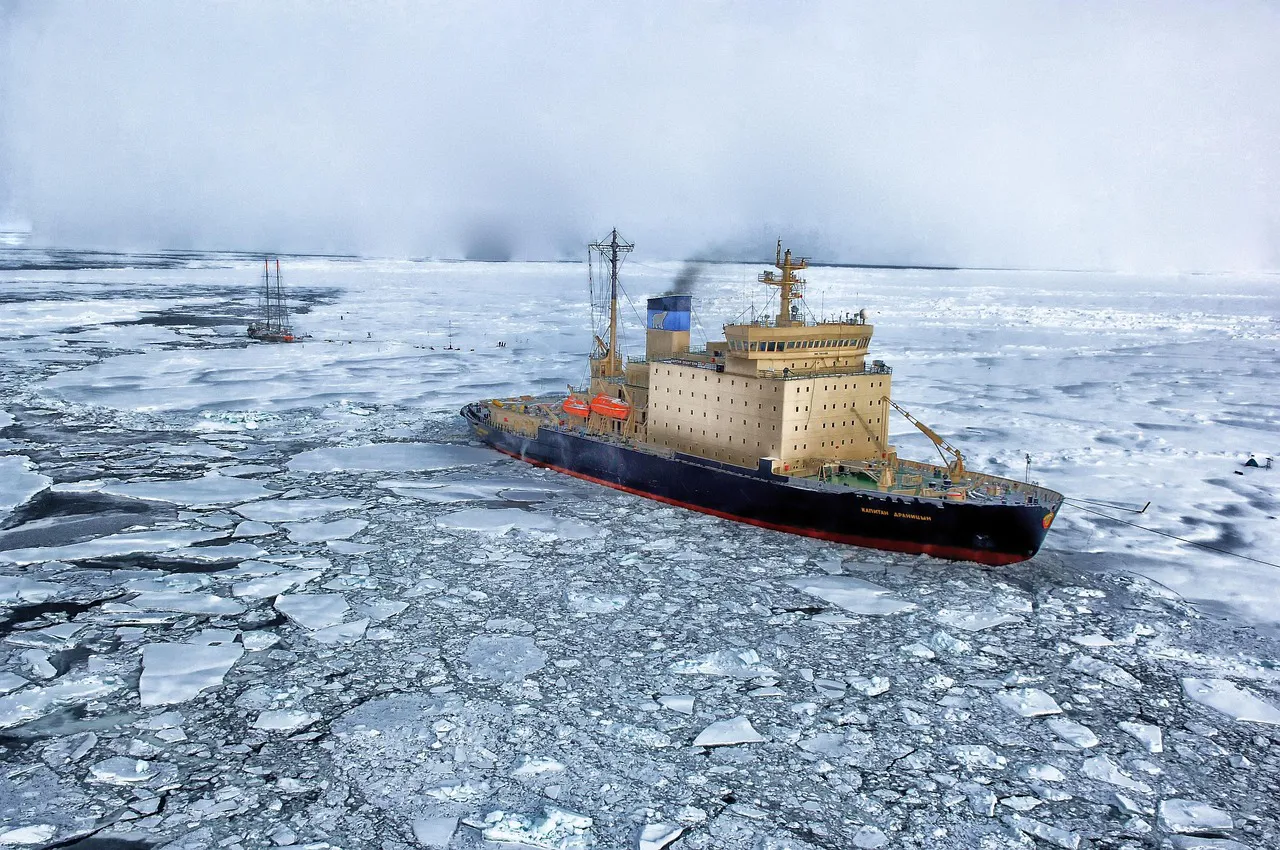
The strategy proposes expanding Europe’s icebreaker fleet and establishing a centre to monitor, protect and repair undersea communications cables. Officials estimate that Europe has around 10 icebreakers, compared with Russia’s roughly 40. A broader maritime security hub would help track Russia’s shadow fleet, detect illegal fishing and pollution, and support search and rescue. Improved transport infrastructure would accommodate civilian and military needs, while closer NATO cooperation would facilitate troop movements. A new Northern Neighbourhood framework envisages regular summits with partners including Norway, Iceland, Canada, the UK and the US.
Renewable energy remains another priority, with opportunities identified in wind, hydropower, geothermal energy and renewable hydrogen. The EU maintains that it will neither drill for Arctic oil and gas nor purchase supplies from new developments there. Stronger electricity connections would help bring clean power to markets. The strategy therefore combines efforts to safeguard European interests with investment in connectivity and energy, rather than relying on international cooperation alone.