

New research in cosmology suggests that AI can significantly accelerate calculations, which may help scientists study the universe more efficiently. At the same time, the findings highlight an important weakness: because the system depends on patterns learned in advance, it can miss new physical clues. In other words, the very method that makes the technology useful for faster analysis can also make it less sensitive to unfamiliar signals. The result is a mixed picture for a field that increasingly uses AI tools to support its work. The study shows both the promise of AI and the need to remain careful about what it may fail to notice.
scienceAdvanced1 min read6/14/2026
AI speeds up cosmology, but can overlook new physics
Research in cosmology has shown that AI can accelerate calculations, yet its reliance on previously learned patterns can cause it to overlook fresh physical clues.

More stories to read
 health2 min read10/27/2026
Unknown mushroom compound may explain visions of miniature humans
Genetic analysis has linked reports of miniature human hallucinations in China and the Philippines to one mushroom species. Researchers now aim to isolate the suspected compound, which could offer insights into visual perception.
 ai2 min read10/27/2026
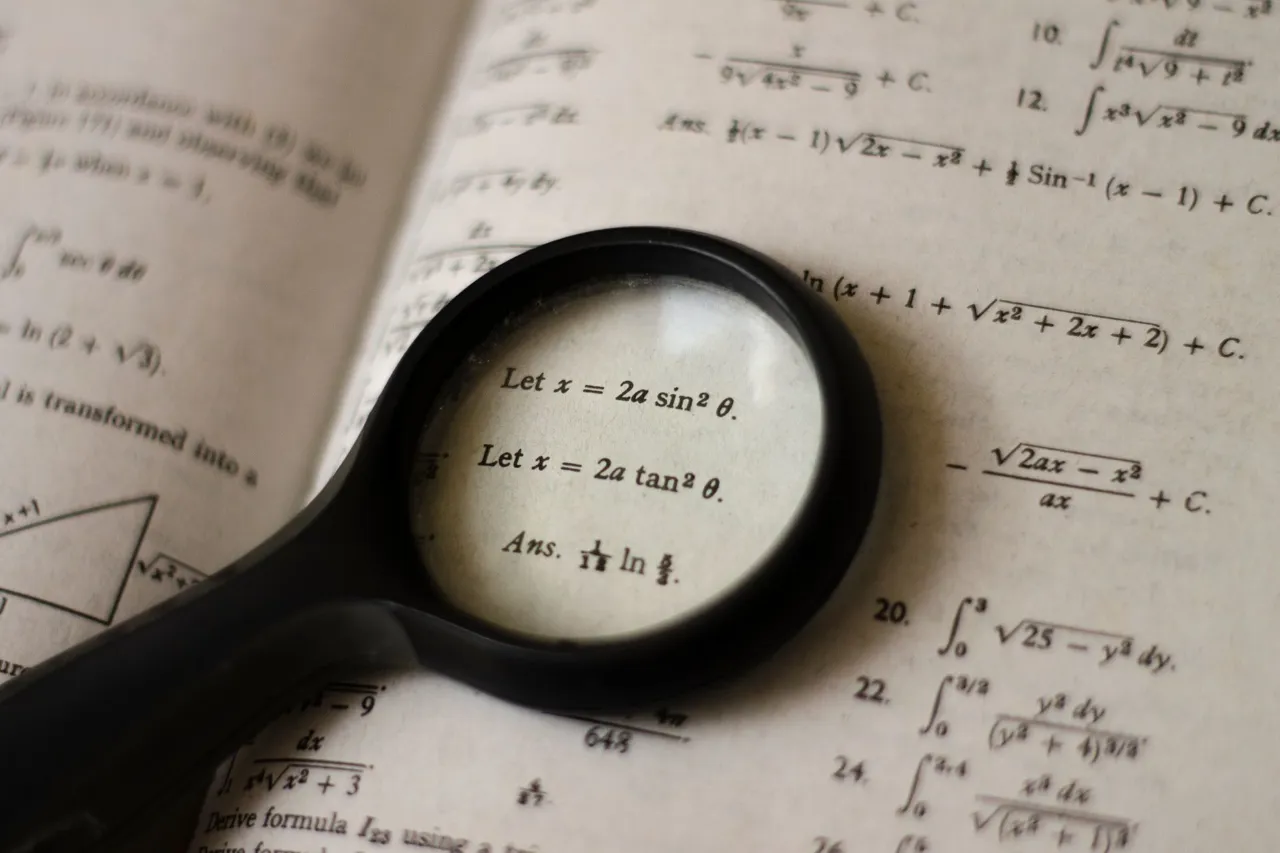
OpenAI’s claimed breakthroughs face independent scientific scrutiny
OpenAI has announced AI-generated proofs spanning mathematics, computational complexity and quantum physics, while adopting different publication and review arrangements for each project.
 business2 min read10/27/2026
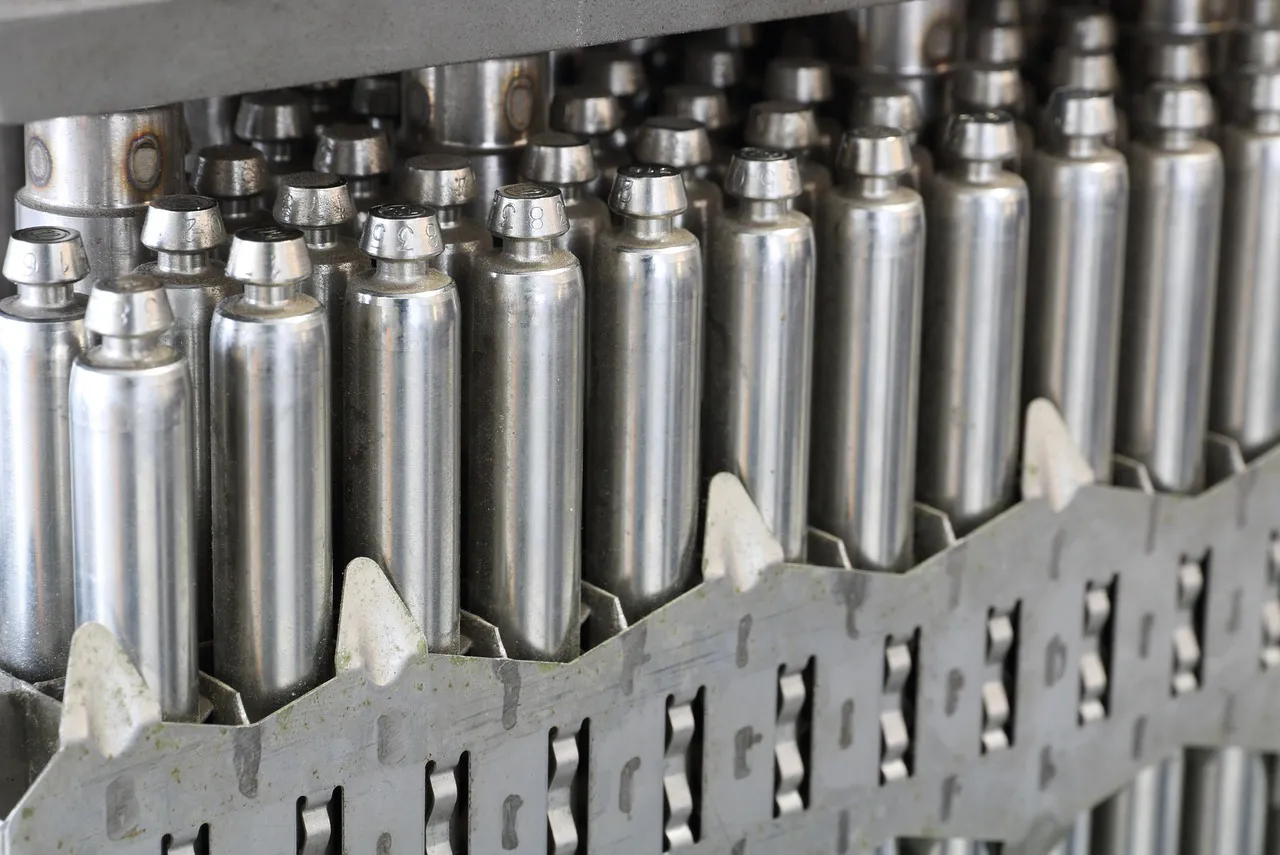
Westinghouse expands advanced nuclear fuel manufacturing with $1 billion plant
The Columbia project will scale up production of higher-enrichment fuel for commercial reactors, while separate eVinci trials will help refine microreactor simulations.
 health2 min read10/27/2026
Inconsistent blood pressure medication use linked to weaker cardiovascular protection
An analysis of 91,339 trial participants associated higher medication adherence with greater blood pressure reductions and fewer major cardiovascular events.
 ai2 min read10/27/2026
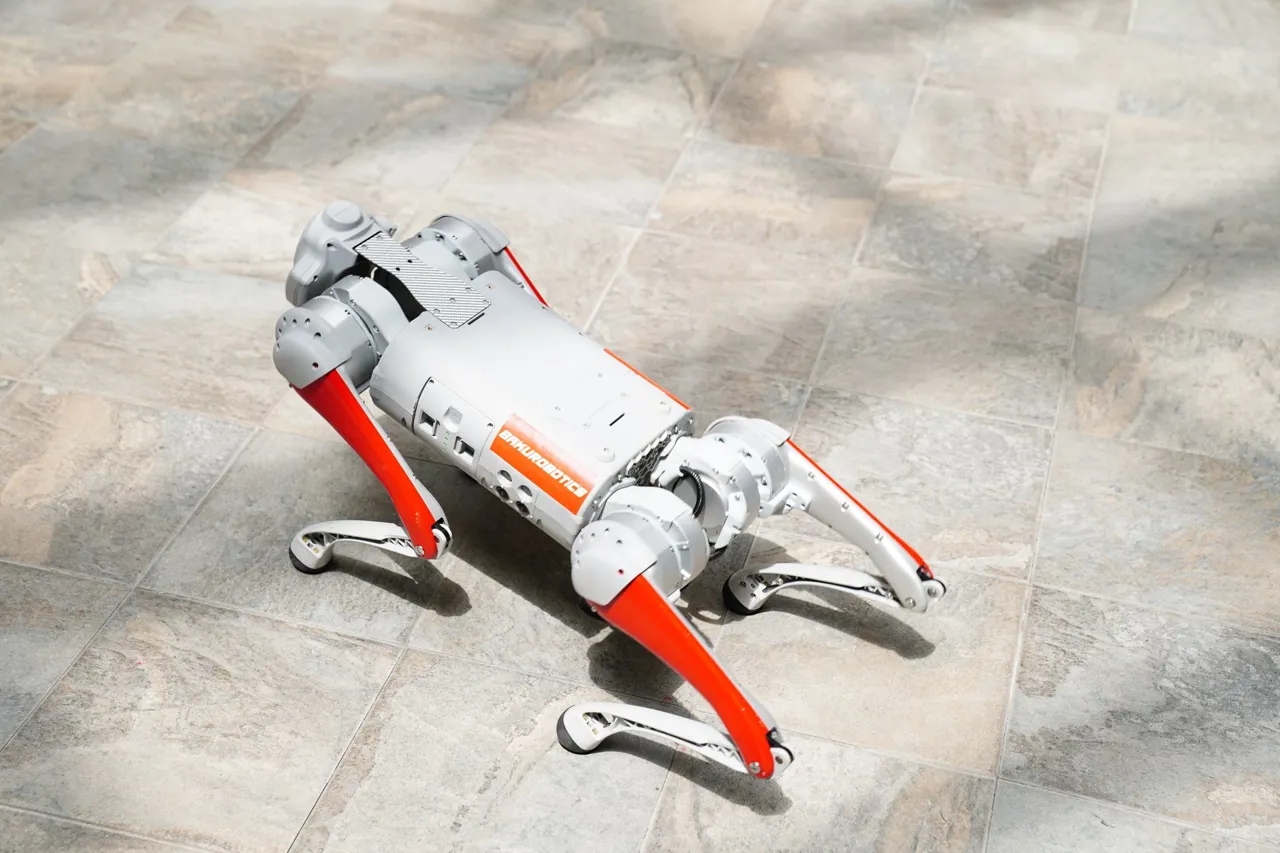
ANYmal-D solves giant Rubik’s Cube through coordinated foot movements
Researchers at ETH Zurich and NVIDIA demonstrated three autonomous cube solutions, combining onboard perception, movement planning and skills trained through reinforcement learning.