Horror movies create fear by using the gap between what is visible and what viewers actually notice. Our visual system cannot process every detail at once, so attention matters. In “Hereditary,” Annie hides in shadows on the ceiling while viewers follow her son, Peter. Missing a visible object because attention is elsewhere is called inattentional blindness. A related effect, change blindness, explains why viewers may miss a background girl turning into an old man in “The Conjuring 2.”
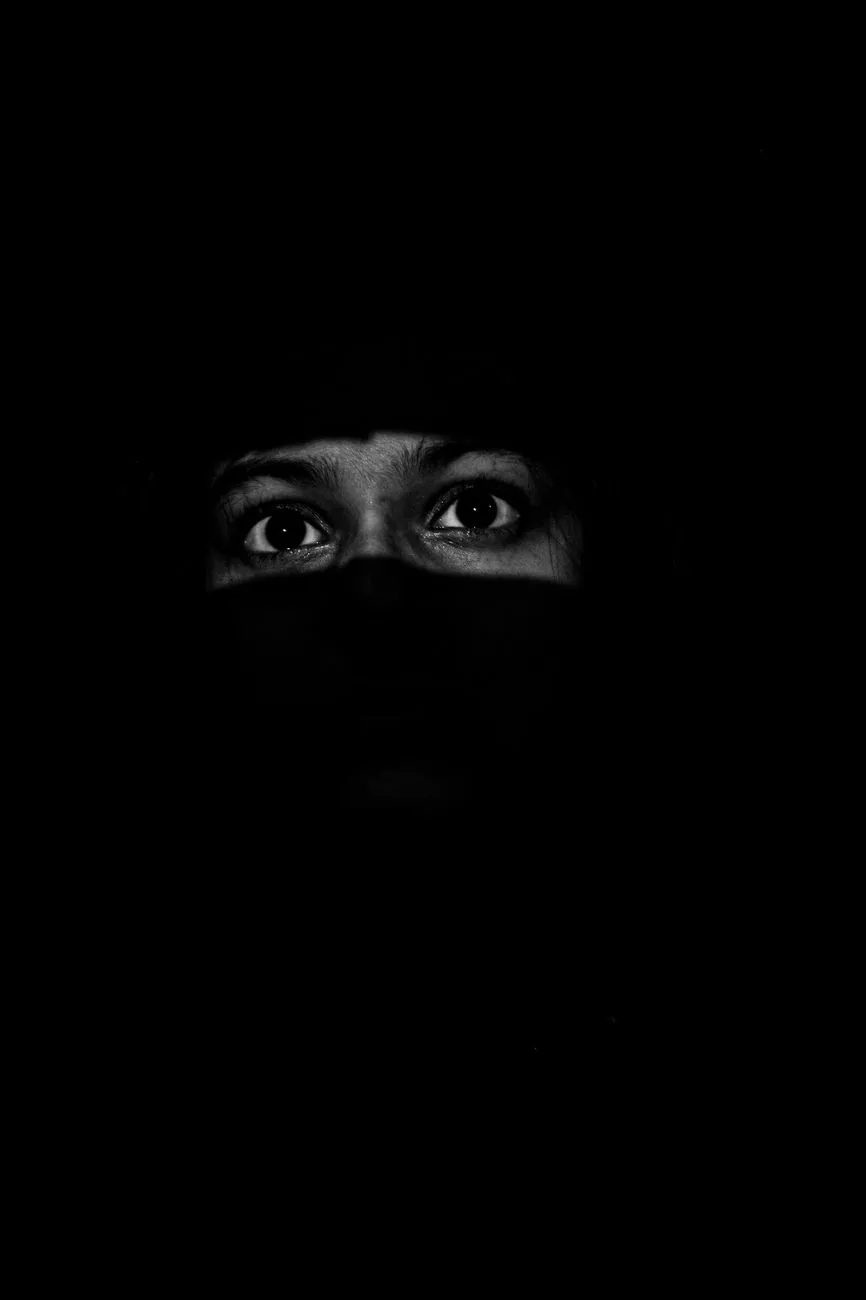
Filmmakers can also guide attention through a character's eyes. In “The Conjuring,” a frightened girl looks upward before the camera reveals a ghost on top of a wardrobe. This works because people naturally follow another person's gaze. Other scenes offer no clear direction, encouraging viewers to search the screen for possible danger. That uncertainty builds tension.
Vision also separates noticing movement from identifying its cause. Peripheral vision, or sight outside the center of our view, detects motion quickly but provides less detail. Viewers may therefore sense movement before they understand what moved. Another tendency is to see faces where none exist. “The Night House” uses arrangements of objects that appear to form faces and figures, turning unclear shapes into something unsettling.