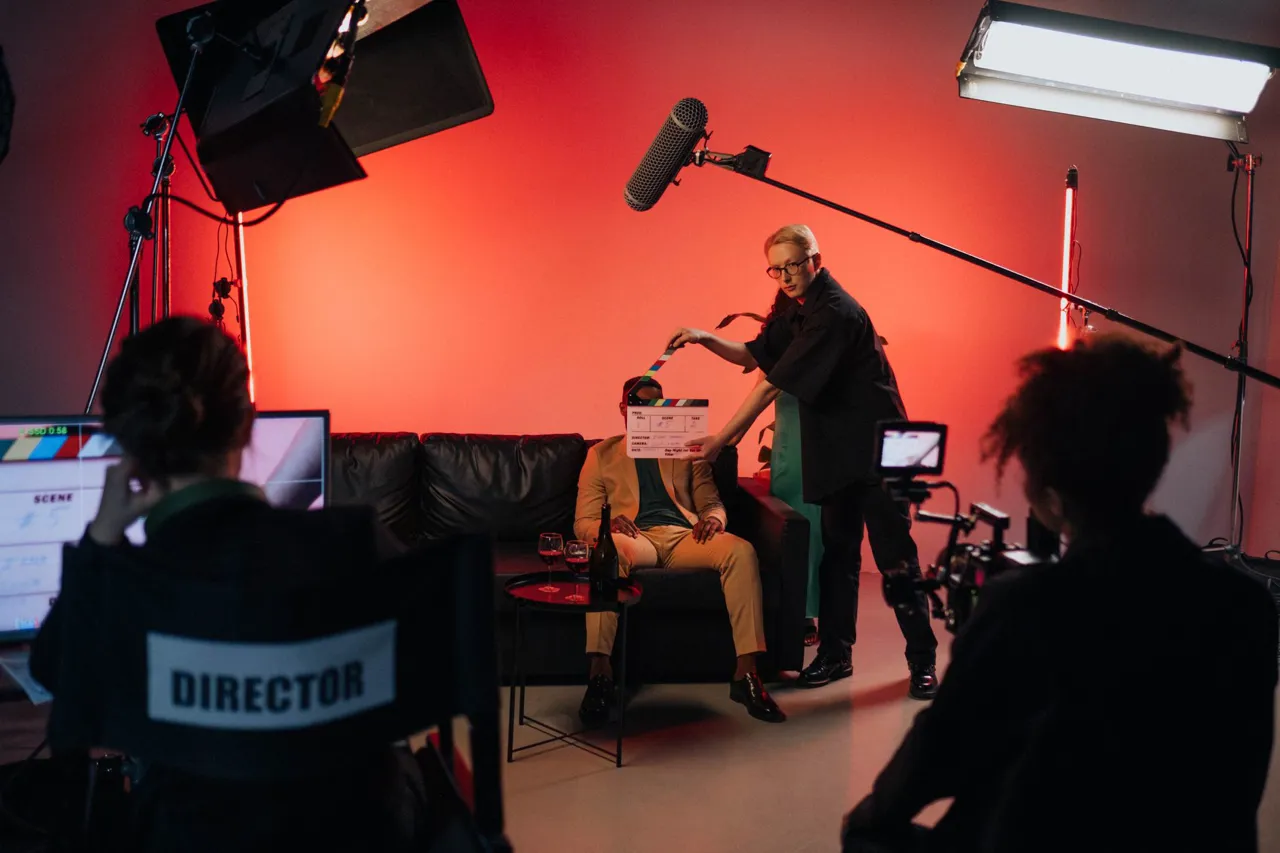
Horror filmmakers exploit the distinction between a visible image and conscious awareness of it. Because visual attention cannot process an entire scene in detail simultaneously, even an extraordinary background figure can escape notice. In “Hereditary,” Annie remains in the ceiling shadows while viewers concentrate on Peter. This illustrates inattentional blindness: overlooking something plainly visible because attention is occupied elsewhere. Change blindness involves overlooking a transformation, as when Janet becomes an old man in the background of “The Conjuring 2” while the camera emphasizes Ed Warren.
Directors also orchestrate attention through editing. In “The Conjuring,” a girl's frightened upward gaze precedes the revelation of a ghost atop a wardrobe. The technique draws on gaze cueing, our tendency to follow another person's direction of attention. Conversely, a wide shot without a guiding gaze or cut encourages visual search. Viewers must scan for a potential threat themselves, allowing uncertainty to sustain tension.
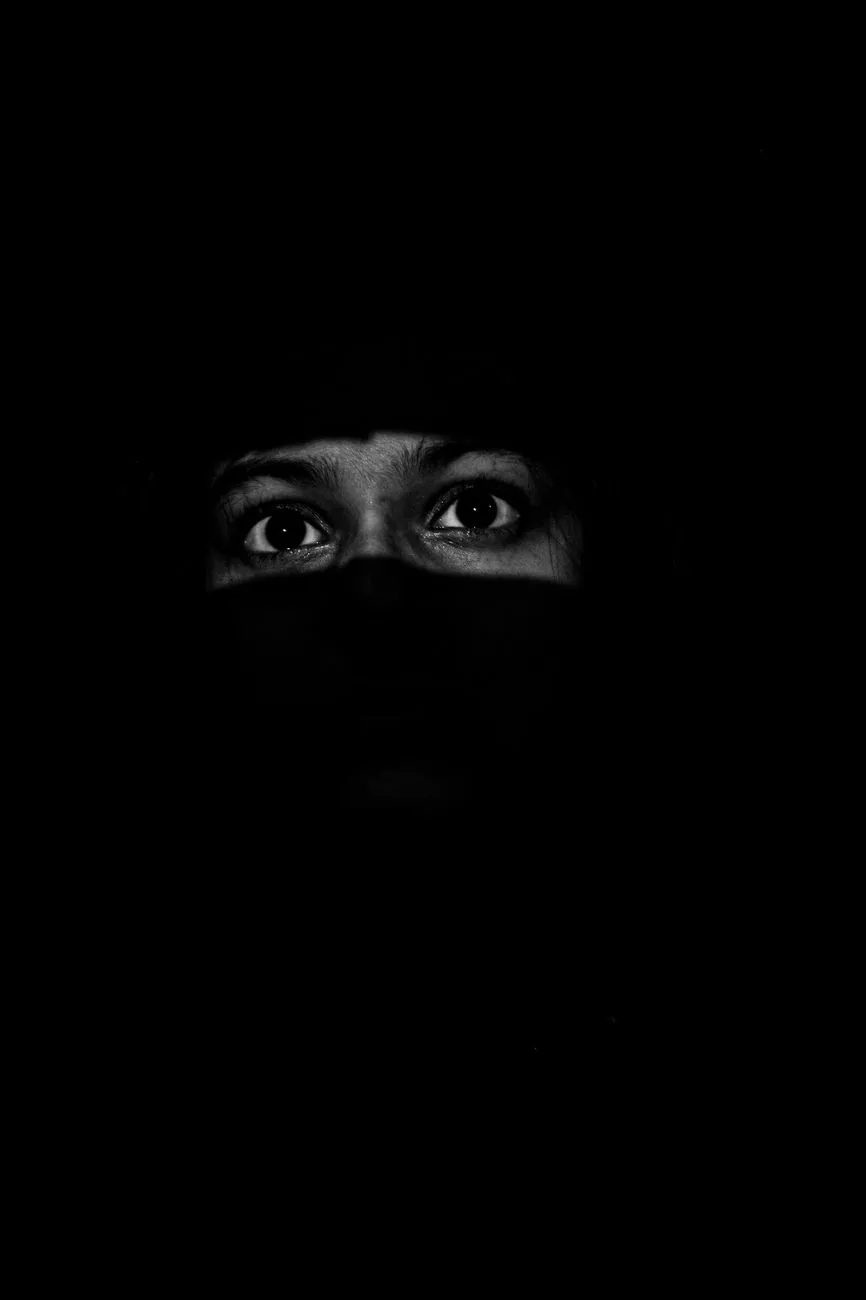
Other scares exploit the division between detecting and identifying. The fovea, a small area of the retina, provides fine detail and color at the center of our gaze. Peripheral vision is more sensitive to movement and low light than to detail. A rapid eye movement brings a detected object into central vision for identification; the intervening uncertainty can feel disturbing. Filmmakers also exploit pareidolia, the tendency to perceive faces in patterns without actual faces. In “The Night House,” arrangements of objects appear to resolve into faces and human figures, making ambiguity itself a source of unease.