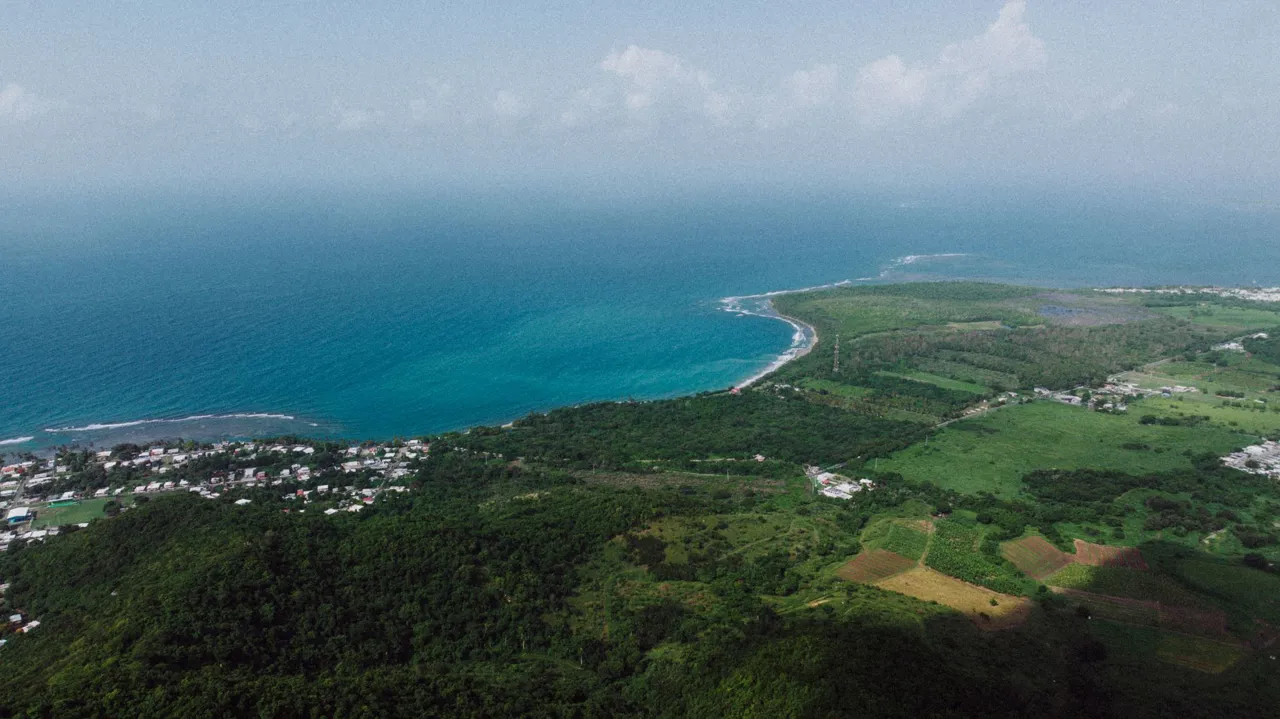
The first Spanish settlement in the Americas emerged from a maritime disaster. Around midnight on December 24, 1492, Christopher Columbus's Santa María ran aground near present-day Cap-Haïtien, in northern Haiti. While Columbus slept, the helmsman entrusted the steering to a cabin boy, contrary to his orders. Following the wreck, the Taíno chief Guacanagarí and his people helped recover the cargo and construction materials. Columbus then used the vessel's timber and nails to build La Navidad, leaving 39 men there when he departed for Spain.
Returning on November 27, 1493, with 17 ships and approximately 1,500 men, Columbus discovered the fort burned and its inhabitants dead. Guacanagarí attributed the attack to another chief, although historians have questioned whether he himself was involved. Rather than reconstructing La Navidad, Columbus founded another settlement elsewhere on the island. Centuries later, excavations at En Bas Saline, a major Taíno site identified in northern Haiti in 1977, uncovered a substantial structure destroyed by fire near the end of the 15th century. Researchers regard the site as Guacanagarí's village and the probable location of the fort, whose precise position remains unconfirmed.
The ship's fate is similarly unresolved. Underwater explorer Barry Clifford announced a discovery in 2014, but Haitian officials challenged the identification. Historian María Luisa Cazorla has proposed that river sediment extended the coastline, leaving the wreck beneath roughly six meters of deposits on land. Neither the vessel nor the fort constructed from its timbers has been conclusively located.