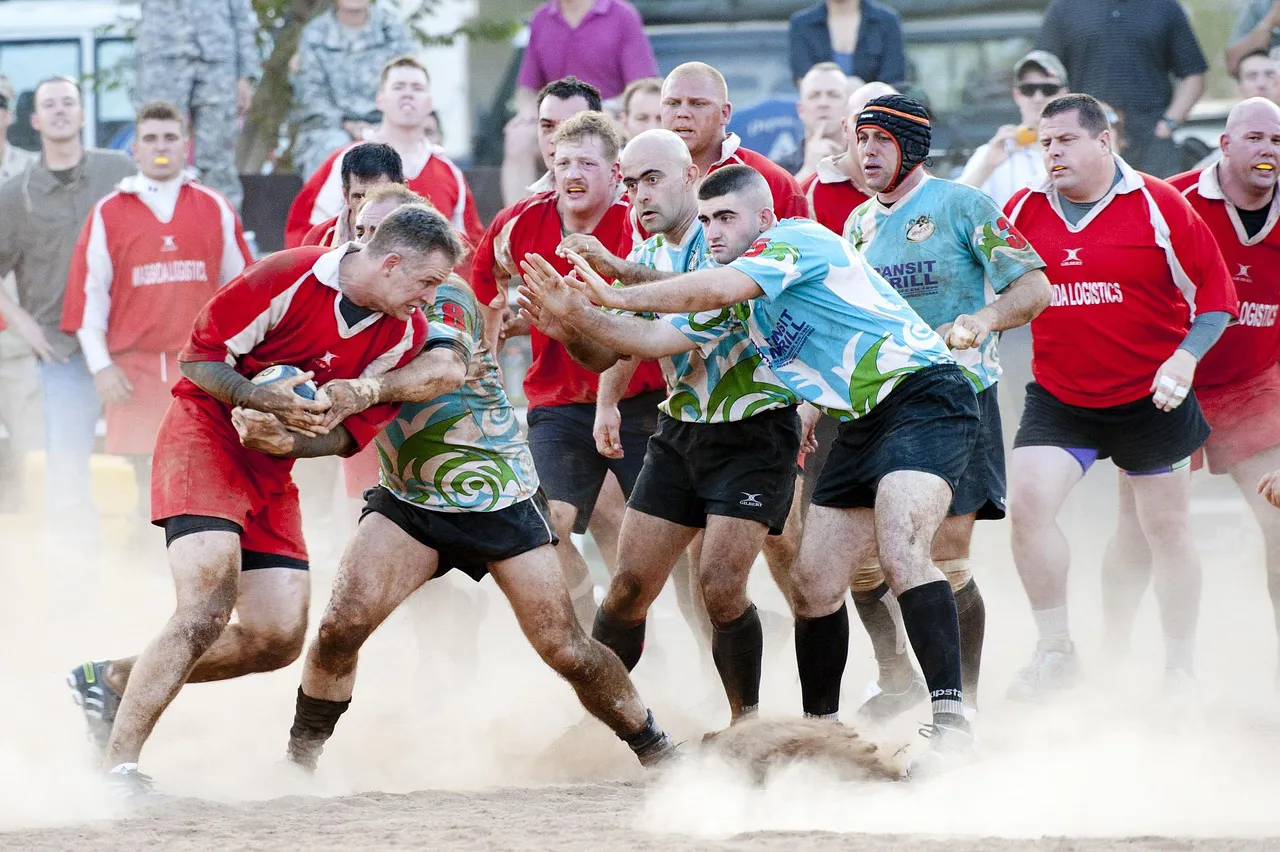
The sight of New Zealand’s All Blacks performing a haka before their opponents is one of rugby union’s most recognizable traditions. Rooted in centuries of Maori practice, the haka entered rugby in 1884, when a New Zealand team visiting Sydney performed it. A touring New Zealand team subsequently presented it against Surrey in Britain on October 3, 1888. Ka Mate, composed in 1820 by Maori chief Te Rauparaha, draws on a traditional poem concerned with life, death, and resilience.
Today, the All Blacks more frequently perform Kapa o Pango, which debuted against South Africa in Dunedin in August 2005. The preparation behind these performances has also evolved. Before the 1987 World Cup, Buck Shelford and teammate Hika Reid trained the squad in pronunciation, movement, and the haka’s significance. Other rugby nations maintain distinct traditions: Fiji performs the Cibi, Samoa the Siva Tau, and Tonga the Sipi Tau. Each combines vocal leadership with coordinated movements, including lowered stances, forceful gestures, or rhythmic steps.
World Rugby regulates the space between teams during cultural challenges. When only one side performs, its opponents must not cross halfway, while the performers must remain behind their own 10-meter line. Violations can result in fines. England, for example, received a £2,000 penalty after advancing beyond halfway in a V-shaped formation during the 2019 World Cup semifinal against New Zealand. England nevertheless won that match 19–7, illustrating that the challenge and the contest itself remain separate parts of the occasion.