

Sleep and exercise may blunt some of the cardiovascular harm caused by clonal hematopoiesis, a condition in which blood-cell mutations accumulate over a lifetime. In a study published June 10 in Nature, researchers reported that these mutations can intensify inflammation and raise the risk of heart disease and stroke, even without the usual risk factors such as smoking, diabetes, or high cholesterol. The team analyzed genetic data and activity levels from more than 91,000 adults in the United Kingdom and the United States and found that the proportion carrying certain clonal hematopoiesis mutations was 13 percent lower among those with moderate to vigorous physical activity. Mouse experiments were more direct: genetically engineered animals with these mutations, fed a high-cholesterol diet, developed less atherosclerosis when they used an exercise wheel, while sleep disruption produced the opposite effect. The benefit, however, was not universal and depended on the gene variant involved. One of the more harmful variants is found in 3 to 4 percent of Europeans, suggesting that the findings could matter for a sizeable group of people.
Sleep and Exercise May Offset Some Genetic Risks for Heart Disease
New research suggests that behavior can influence how strongly certain gene changes drive inflammation and artery disease.

More stories to read
 health2 min read10/27/2026
Mushroom Study Points to an Unknown Hallucinogenic Compound
Researchers linked highly specific hallucinations in China and the Philippines to Lanmaoa asiatica, a mushroom that may contain an unidentified psychoactive substance.
 health2 min read10/27/2026
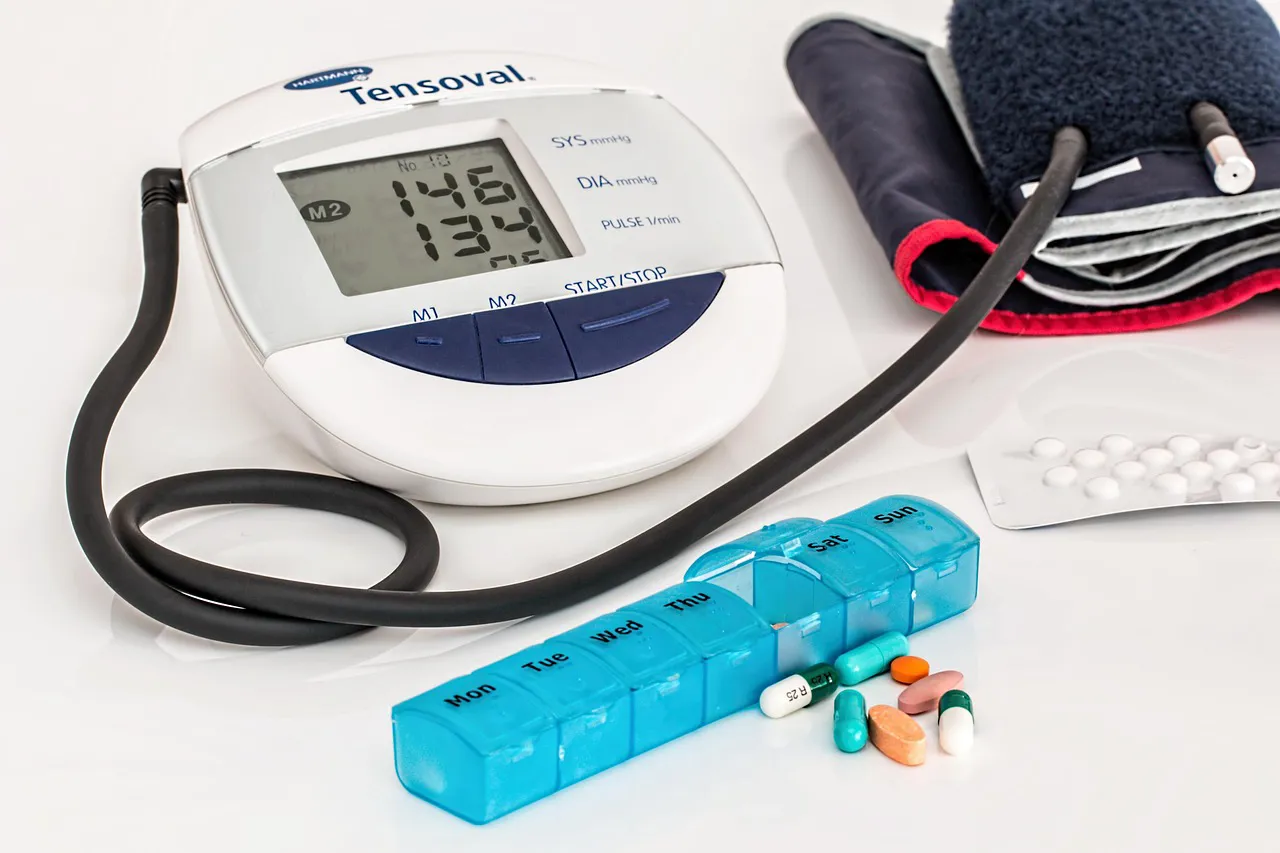
Inconsistent Blood Pressure Treatment May Undermine Cardiovascular Protection
An analysis of randomized trial data linked stronger medication adherence to greater blood pressure reductions and an 11% decrease in major cardiovascular events.
 health2 min read10/26/2026
Alcohol Study Challenges Health Benefits of Moderate Drinking
A large evidence review associates 14 drinks per week with a 1 in 25 lifetime risk of alcohol-related death, while finding no significant overall protective effect at any consumption level.
 health2 min read10/25/2026
Antibody Profiles May Signal Bowel Disease Risk a Decade Before Diagnosis
Distinct immune signatures preceded inflammatory bowel disease diagnoses by up to 10 years and helped distinguish future disease severity. Researchers caution that clinical screening will require further validation and evidence of patient benefit.
 health2 min read10/24/2026
Higher Brain DHA Levels Fail to Deliver Cognitive Benefits in Fish Oil Trial
Despite increasing DHA in the fluid surrounding the brain, high-dose fish oil supplements did not improve cognition or prevent hippocampal shrinkage in older adults at elevated Alzheimer's risk.