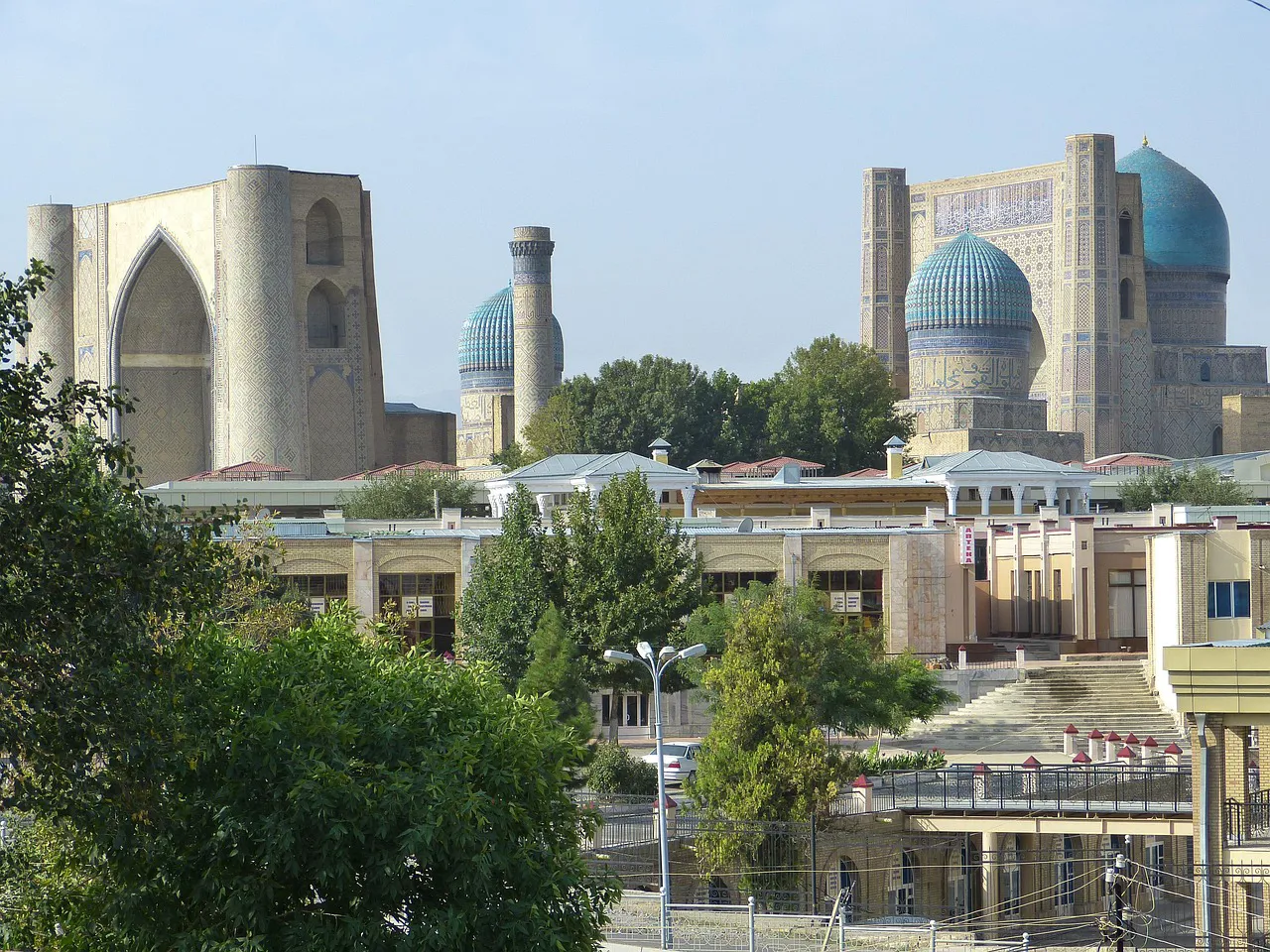
Samarkand's historic area, a UNESCO World Heritage site, is not simply a collection of monuments. Schools, shops, and workshops operate alongside celebrated buildings, making the Uzbek city's challenge one of preserving heritage while accommodating growth. Its long history as a crossroads of trade, ideas, and cultures remains central to its identity.
According to estimates from Professor Muhsinjon Kholmukhamedov, rector of the city's tourism and cultural heritage university, Samarkand welcomed around seven million visitors in 2025. More than 10 million arrived in the first nine months of 2026, with approximately 14 million expected by year's end.
Working with UN Tourism, the university is preparing to establish Central Asia's first INSTO tourism observatory. It will assess not only visitor numbers but also tourism's effects on employment, the urban environment, and residents' daily lives. Heritage research also includes laser scanning to create three-dimensional building models and detect potentially dangerous structural deformation.
Housing pressures are another concern. More than 1,100 apartment buildings have been constructed in Samarkand Region over eight years, while UN-Habitat and the national government are developing Uzbekistan's first housing profile. The city's master plan through 2040 addresses housing expansion alongside the condition, affordability, energy efficiency, and maintenance of existing homes.
UN-Habitat representative Katja Schaefer advocates upgrading homes and services in place rather than replacing them. Her recommendations include improved water and heating, sensitive renovation, and directing new development beyond the historic core. Residents, she emphasizes, should participate in neighborhood decisions so that heritage protection and better living conditions reinforce one another.