

Argentine President Javier Milei says he wants to turn Argentina into a global hub for artificial intelligence companies, and he has argued that state regulation is one of the main obstacles to AI development. In a recent article in the Financial Times, he said the country should build a system that interferes as little as possible. That vision is now reflected in a bill the government presented to Congress last week, which would establish a new legal framework for AI and create a fresh category of company that could be managed by AI agents or robot systems. Milei has even suggested that human shareholders may not be required. The proposal would therefore challenge the traditional idea of a company, in which management and accountability rest with people such as boards, CEOs, and shareholders. It also leaves unresolved a central legal problem: if an AI system makes an unlawful decision or engages in financial manipulation, who is liable? Milei says the goal is to make Argentina as attractive as possible for technology companies and AI investment.
Milei Pushes Argentina Toward AI-Run Firms
President Javier Milei wants Argentina to become a global center for artificial intelligence companies. He is backing a legal framework that could allow firms to be run by AI agents or robot systems, while leaving open difficult questions about liability and control.

More stories to read
 ai1 min read10/27/2026
Dutch Cabinet Targets 16 Percent Workforce Reduction in Efficiency Drive
The Dutch cabinet plans to eliminate 25,000 full-time positions by 2035 while expanding AI use as part of a broader cost-cutting program. Police and defense will be exempt.
 ai2 min read10/26/2026
Treasury Proposes Expanded Screening of Overseas Technology Investments
Proposed U.S. regulations would broaden restrictions on outbound technology investments, covering additional sectors and countries. The draft includes a $50,000 threshold, financial-investment exceptions and a public comment period ending December 7.
 world-news2 min read10/25/2026
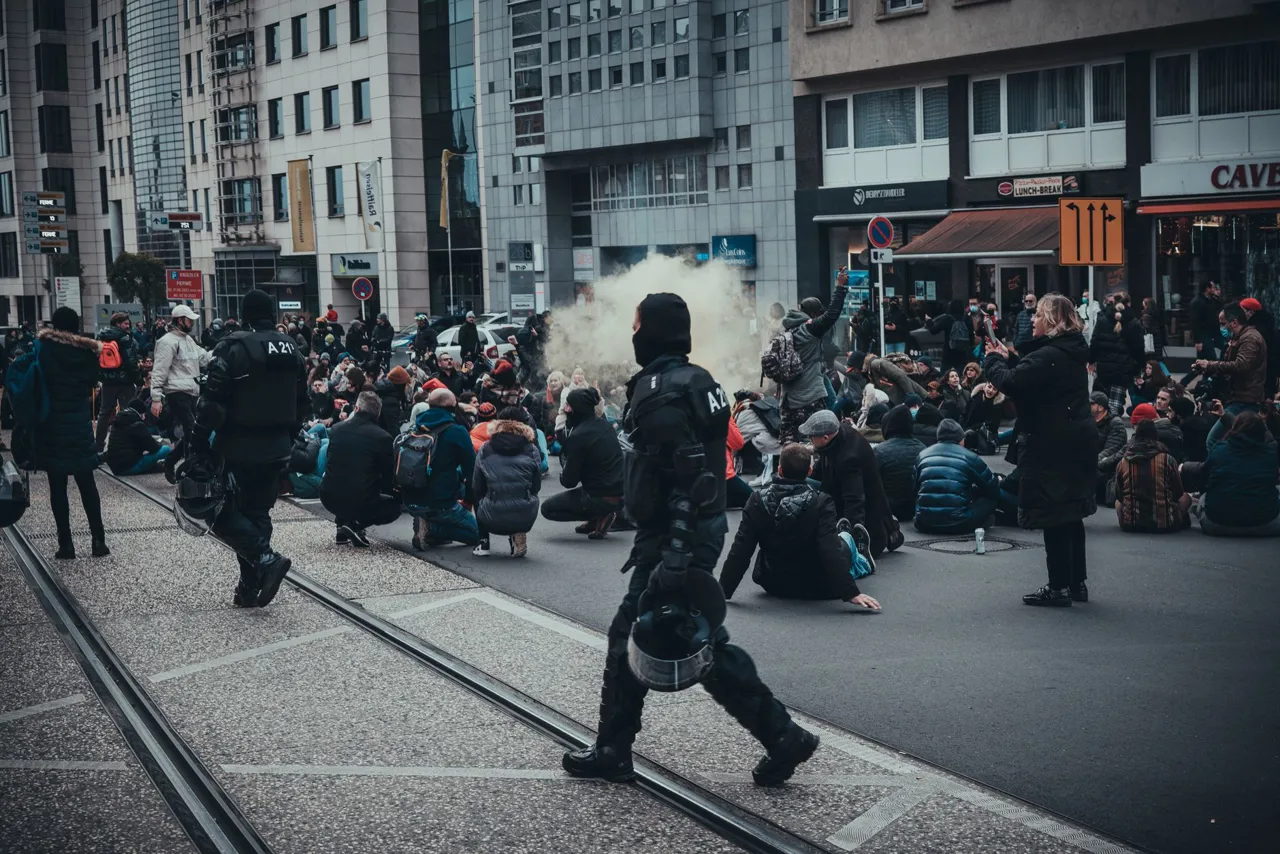
European Riots Expose Divide Between Foreign Interference Claims and Evidence
Accusations that foreign powers fueled European unrest have not been conclusively established. While Russia-linked networks have exploited the violence, the European Commission has declined to launch a formal investigation or activate emergency platform powers.
 world-news2 min read10/24/2026
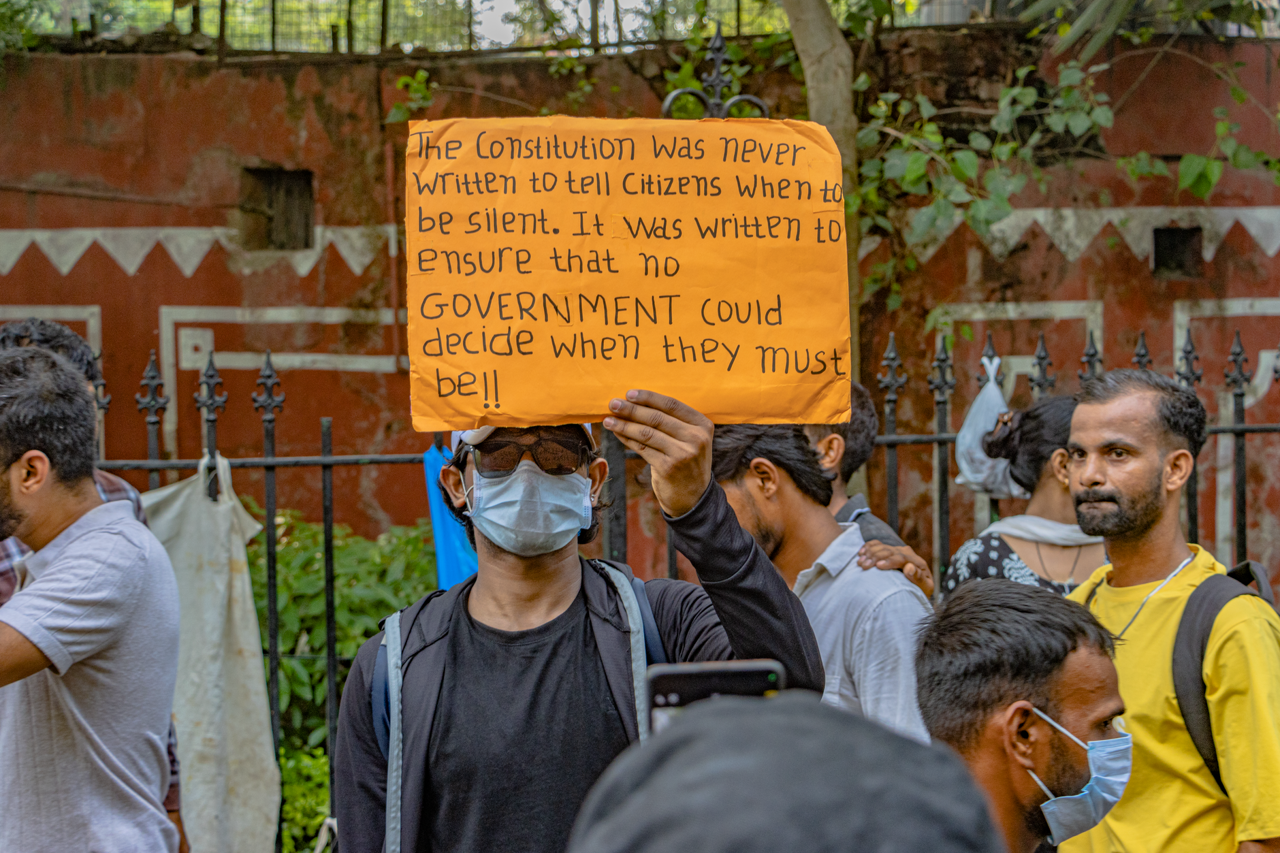
India’s Youth-Led CJP Confronts Government Over Voter Roll Revisions
A movement born from anger over canceled entrance exams has expanded into a confrontation over voting rights and competing understandings of democracy.
 world-news2 min read10/23/2026
EU Clock Changes Persist as Agreement on Permanent Time Stalls
A proposal backed by the European Parliament in 2019 remains stalled because member states cannot agree on a permanent time system.