

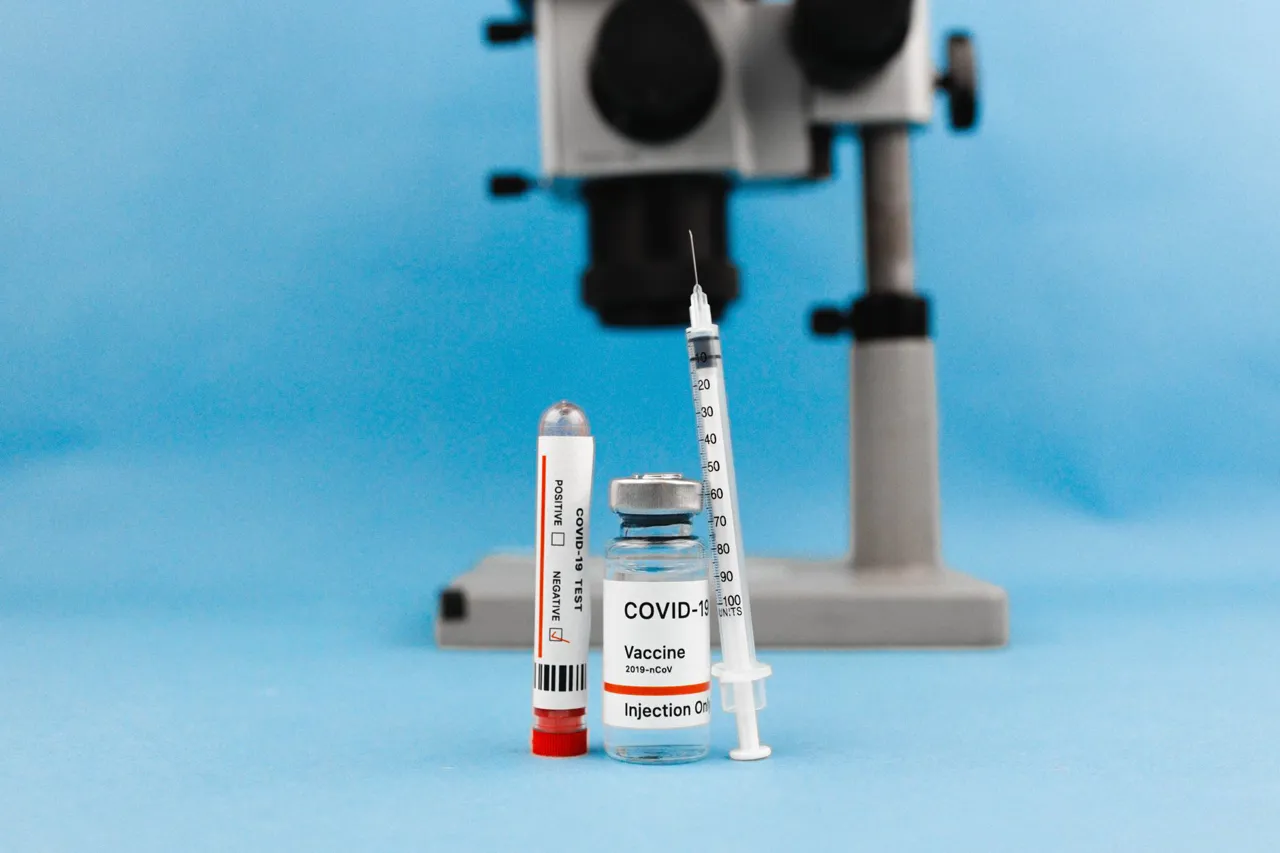
Researchers at the University of Cambridge developed the first human vaccine designed by artificial intelligence and tested it successfully in people. The vaccine is meant to protect against sarbecoviruses, a group that includes SARS and SARS-CoV-2, the virus behind COVID-19. Unlike traditional vaccines, it was built with a predictive method that looks at several coronaviruses and finds shared parts. Scientists used those common parts to create a synthetic target for the immune system. The vaccine also uses a needle-free delivery system called a jet injector. The first trial was small and included 39 people. It mainly checked safety, and it produced a modest immune response. A second trial with 200 participants is now underway to see how well it works. Experts say much larger studies are still needed before anyone can say it is safe and effective for everyday use.
First AI-Designed Vaccine Is Tested in People
A vaccine designed by artificial intelligence has been tested in humans for the first time. Scientists at the University of Cambridge created it to fight sarbecoviruses, which include SARS and SARS-CoV-2. More testing is now in progress.
More stories to read
 health2 min read10/27/2026
Scientists Trace Tiny-People Visions to a Mushroom
DNA testing linked unusual visions in China and the Philippines to the same mushroom species. An unknown chemical may be responsible for its effects.
 health2 min read10/27/2026
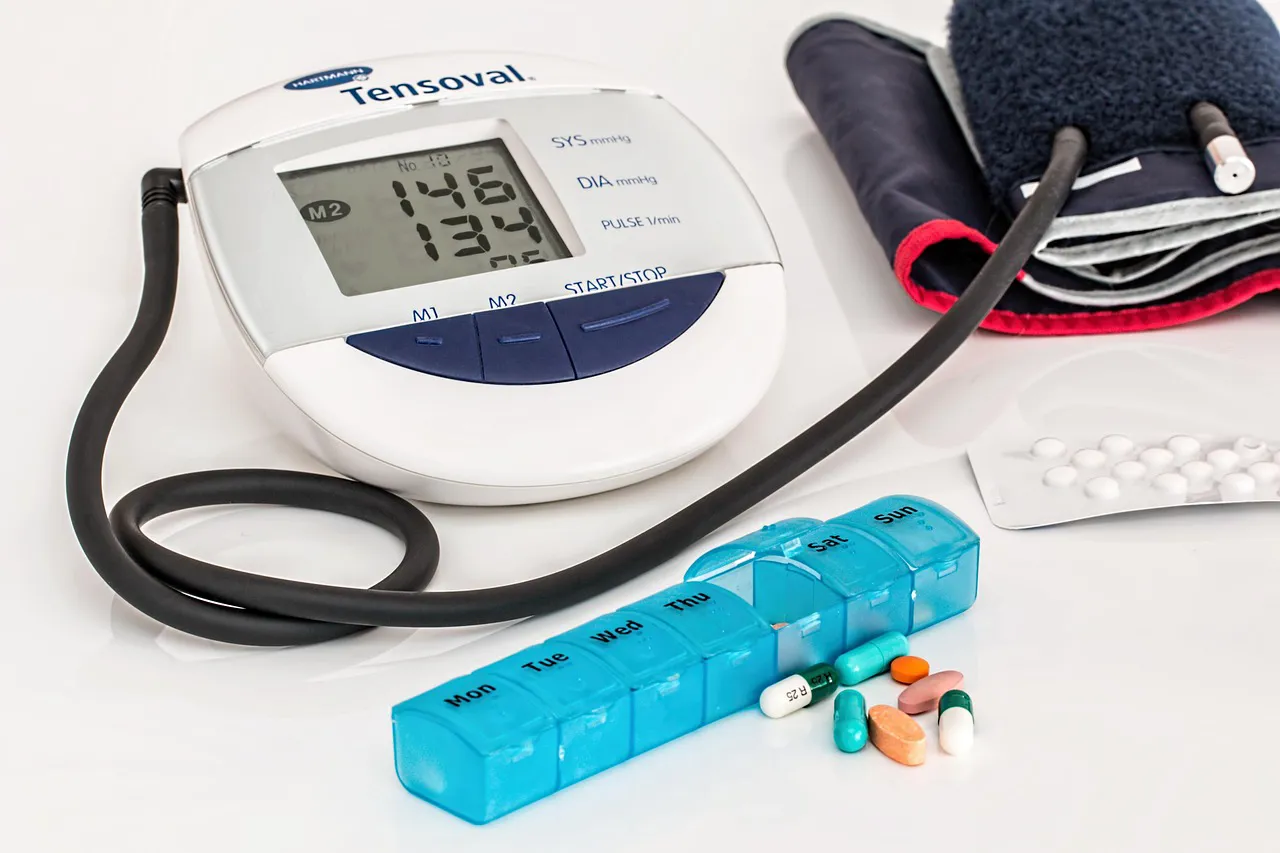
Skipping Blood Pressure Medicine Can Weaken Its Benefits
Patients who followed their treatment more closely had larger blood pressure improvements and fewer major cardiovascular problems.
 health2 min read10/26/2026
Study Finds Higher Health Risks With Two Drinks a Day
An analysis estimates a 1 in 25 lifetime risk of alcohol-related death for people averaging 14 drinks weekly. Possible benefits for certain heart conditions did not outweigh the wider health risks.
 health2 min read10/25/2026
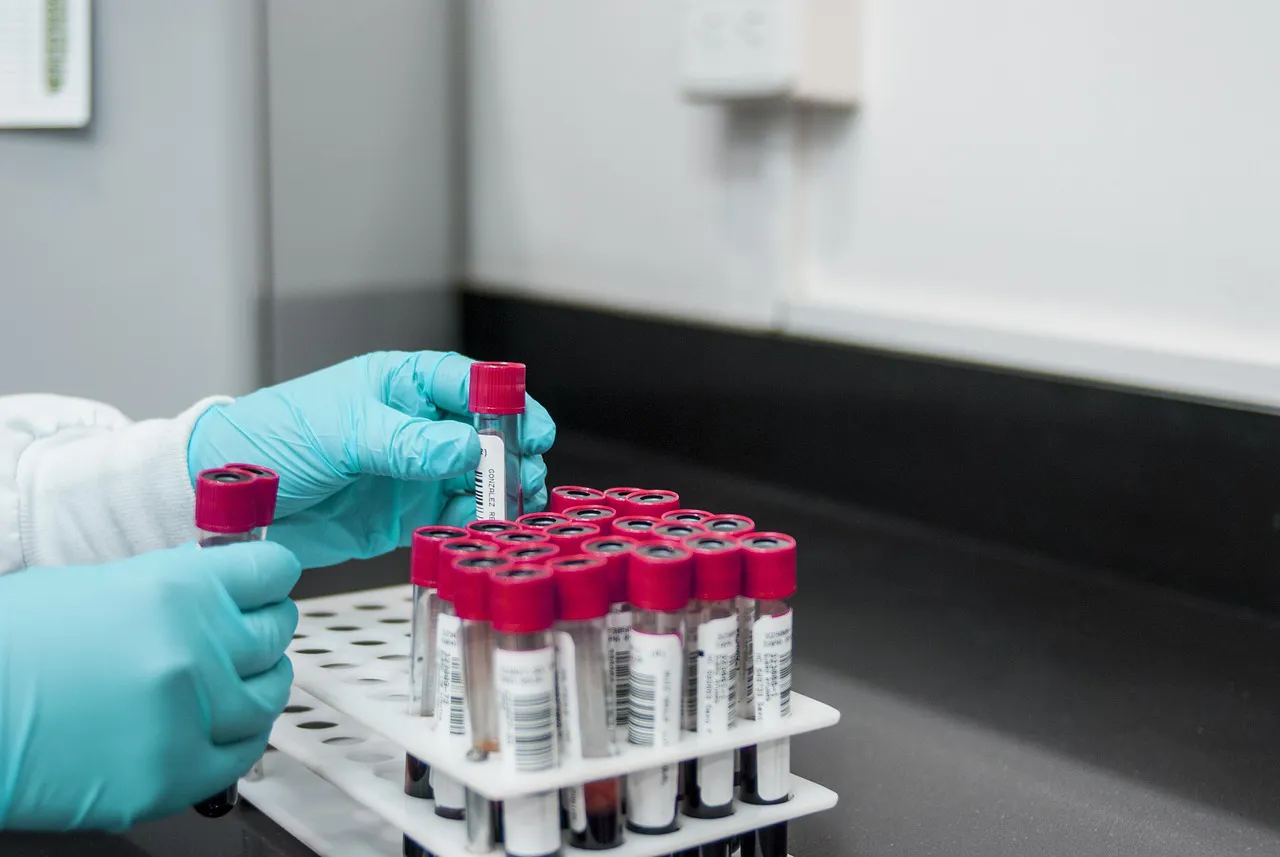
Blood Patterns Could Signal Bowel Disease a Decade Early
A study found changes in blood antibodies years before Crohn's disease or ulcerative colitis was diagnosed. The patterns could help identify future risk, although routine testing requires more research.
 health2 min read10/24/2026
Fish Oil Raises Brain DHA Levels but Shows No Memory Benefit
A two-year trial found no measurable benefit for memory, thinking, or a key memory region, even though a fat in fish oil reached the brain.