MIT professors Regina Barzilay and James Collins have received the 2026 Pritzker Prize for AI in Science Research Excellence. Their joint research integrates deep learning, bioengineering, and experimental validation to identify antibiotic candidates against drug-resistant bacteria.
Established in 2024 by the University of Chicago in partnership with Caltech, the prize honors contributions that advance both AI and the natural sciences or engineering. Barzilay and Collins are faculty co-leads of MIT’s Jameel Clinic, which focuses on machine learning in health.
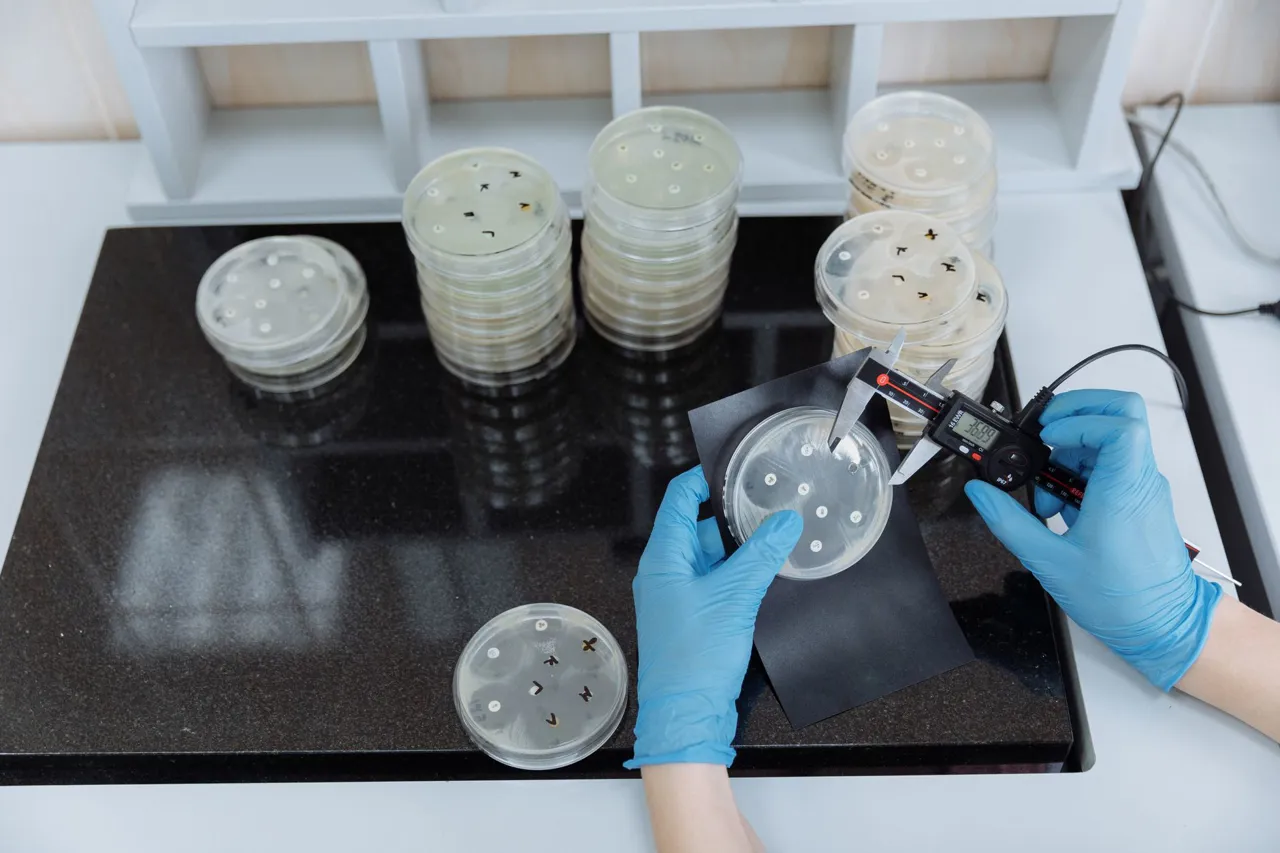
Their first joint breakthrough paper, published in Cell in 2020 with first author Jonathan Stokes, described halicin, the first AI-discovered antibiotic. A deep learning model trained on 2,500 molecules identified the compound, which had previously been investigated as a potential diabetes treatment. Laboratory testing demonstrated activity against several antibiotic-resistant bacteria, while a discovery process that had previously taken years was completed within weeks.
In 2023, the researchers collaborated with Stokes again to identify abaucin. Whereas halicin has broad-spectrum activity, abaucin targets a single species of treatment-resistant bacteria. That specificity reduces the likelihood of resistance developing and limits potential harm to beneficial gut bacteria.
Collins describes conventional antibiotic discovery as labor-intensive, costly, and unpredictable, and sees generative AI enabling a transition from identifying candidates to designing drugs. Barzilay, however, emphasizes that AI currently automates only portions of the discovery pipeline rather than transforming it completely. In her view, achieving that broader transformation requires more realistic AI models of human biology.