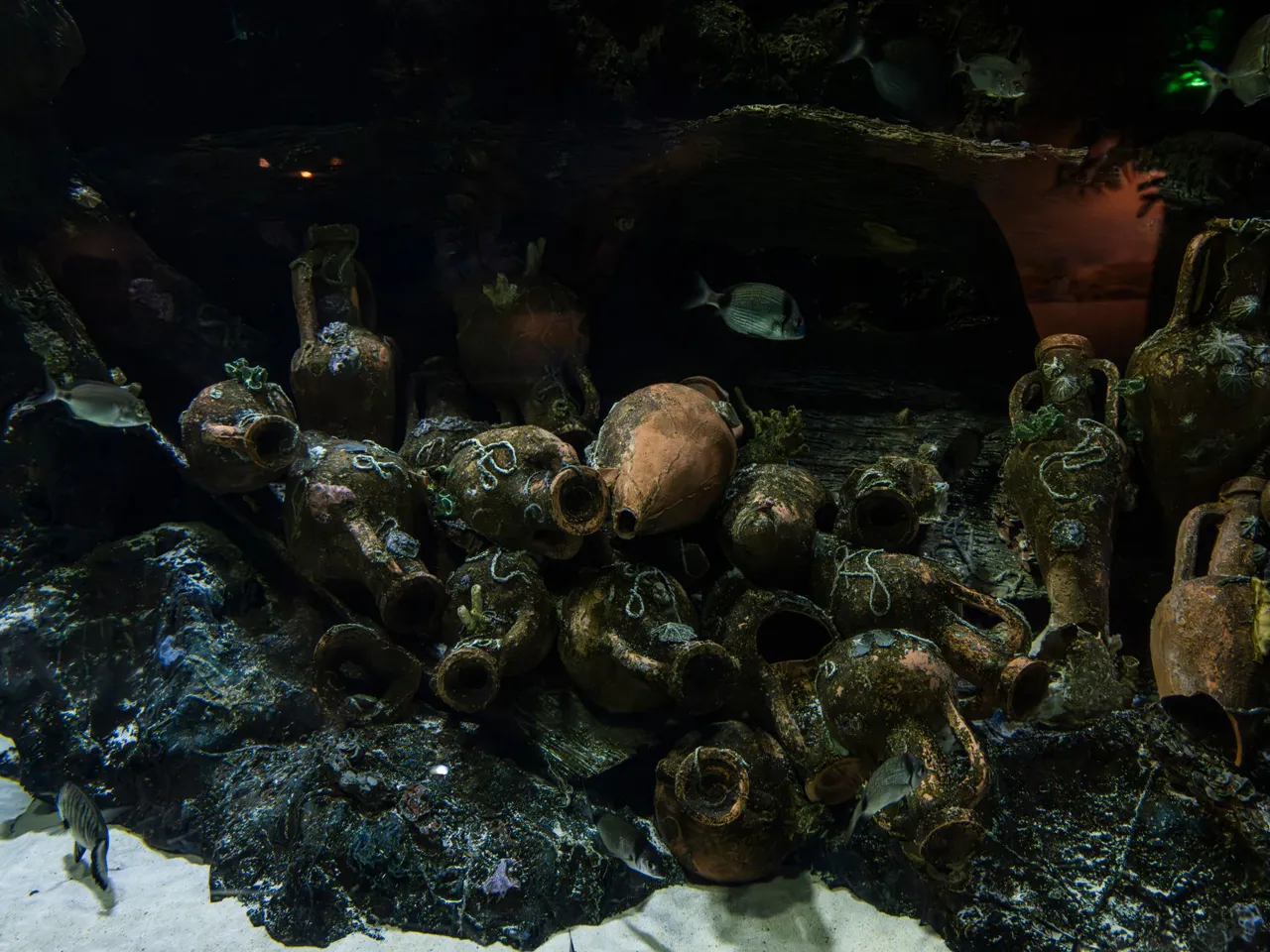
Underwater excavations near Kekova island in Antalya, Turkey, have uncovered clay jars dating back about 4,400–4,700 years. Researchers believe they belong to an Early Bronze Age shipwreck. Turkey's culture and tourism minister, Mehmet Nuri Ersoy, described the discovery as evidence of what may be the world's oldest shipwreck.
Tests of the clay suggest that the jars, called amphorae, were probably made in the Jordan Valley. They may have carried olive oil or wine. Similar jars found in Egypt, Troy, and Crete suggest trade connections between these regions. Researchers believe the ship departed from a port on the eastern Mediterranean coast and traveled toward Troy or Crete. The discoveries could help explain Anatolia's ancient sea trade.
One jar has two holes and nine separate marks. Early examinations suggest it may have been used to make cheese or butter. This raises the possibility that sailors carried goats on long journeys, milked them aboard the ship, and made dairy products. Besides providing clues about goods traded by sea, the jars may reveal more about sailors' everyday lives and eating habits.