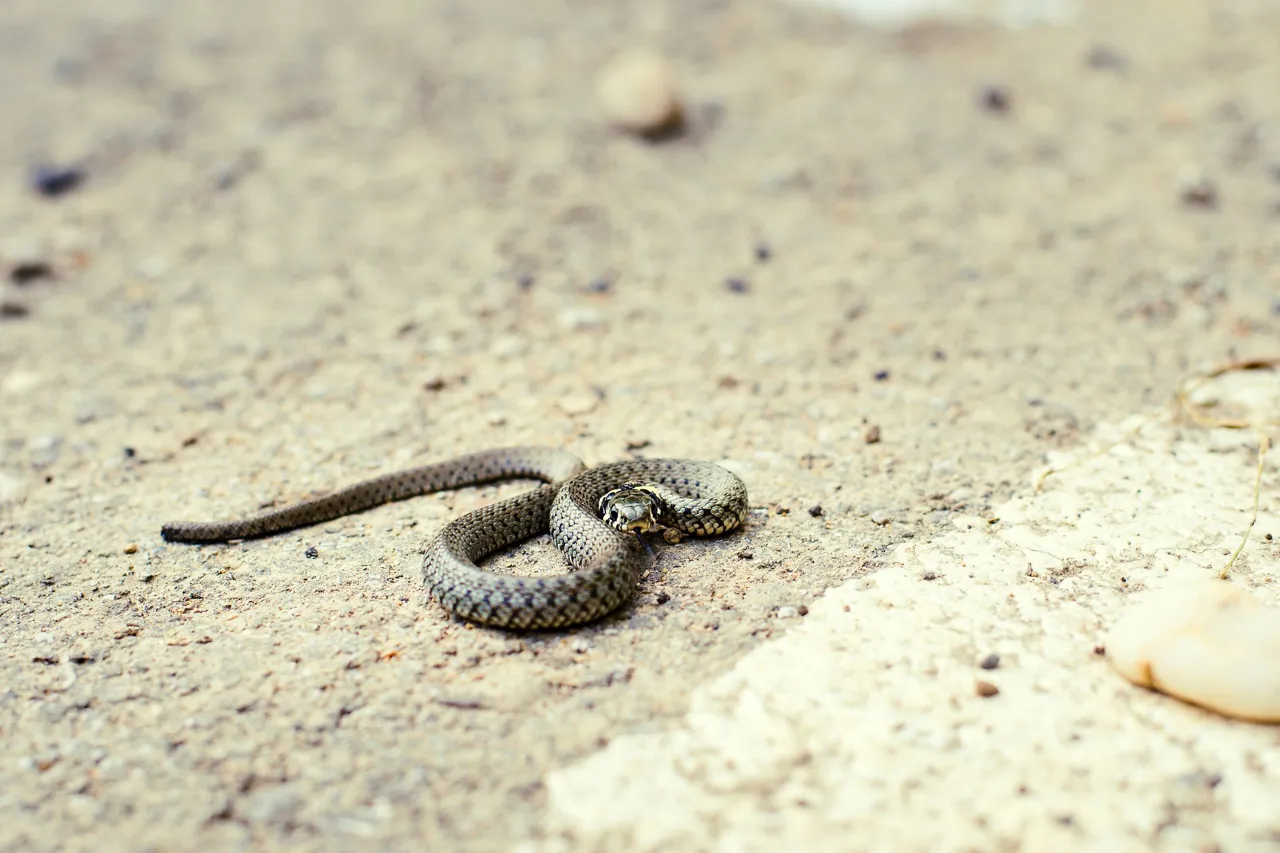
Tiny snakes in Southeast Asia can escape danger by performing repeated cartwheels, turning their bodies over without arms or legs. New laboratory videos reveal how three species in the Pseudorabdion group achieve this unusual movement. Researchers collected the snakes from Kubah National Park in Malaysia, where the animals often hide beneath leaves. They measured about 11 to 28 centimetres long.
The team tested each snake on a 2.2-metre track, using a gentle tap to encourage movement. Cameras above and beside the track recorded the action. Every Pseudorabdion snake cartwheeled, while none of the six reed snakes from another group, Calamaria, did. The rolling snakes reached speeds of approximately six to 13 kilometres per hour. The findings appeared in Current Biology on 19 October.
Each roll begins with the snake bending into a C shape and raising its head towards the direction of travel. It then throws its tail backwards, briefly lifting its entire body off the ground. Next, the tail swings over the head and lands in front, allowing another roll to begin. Throughout the movement, the snake keeps its head fairly steady. The videos provide a closer view of behaviour that scientists first shared in photographs in 2023.