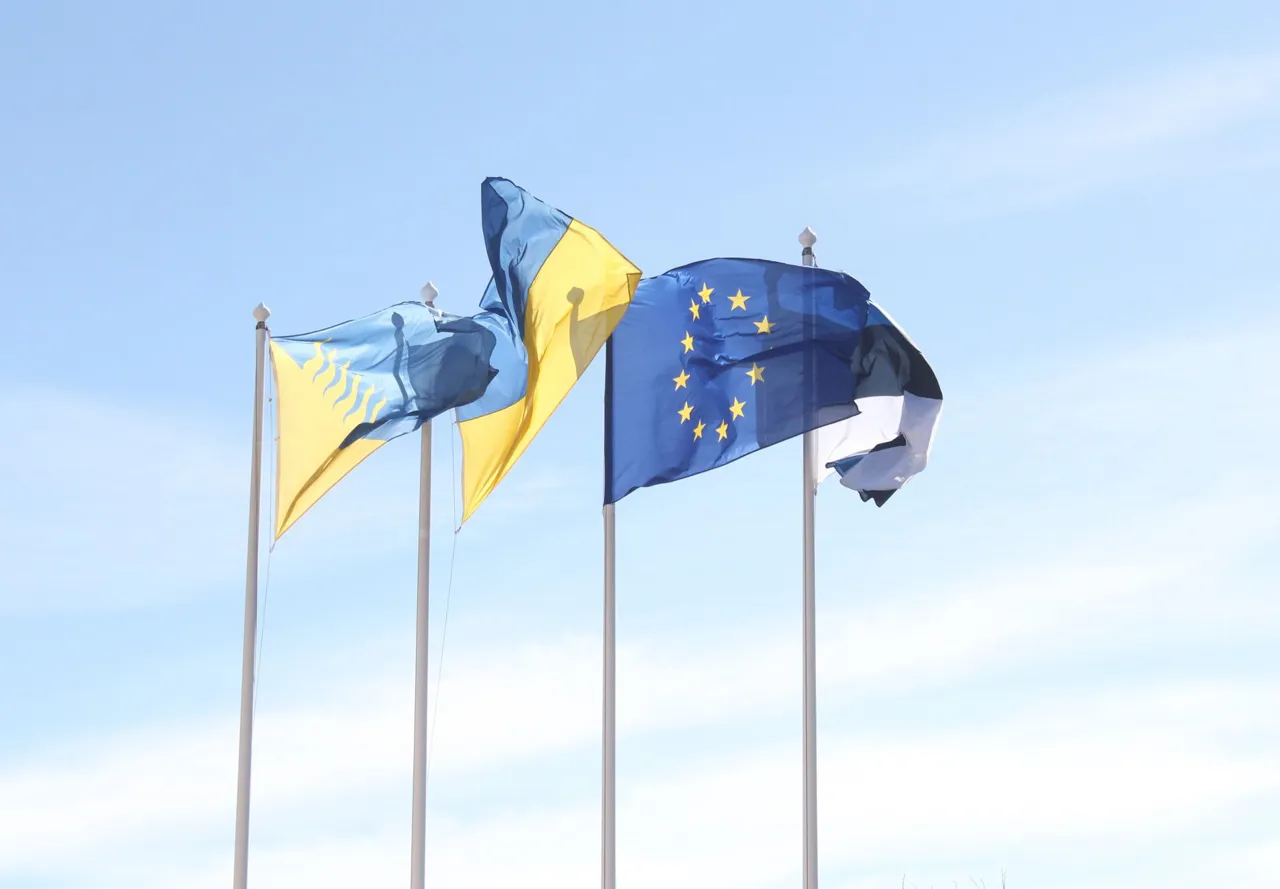
The EU Council has authorised the opening of two additional accession clusters with Ukraine after Hungary withdrew its veto, bringing the total to four of six. The breakthrough follows an agreement on protections for Ukraine’s ethnic Hungarian minority, a long-standing Hungarian demand. It may also make it possible for Ukrainian President Volodymyr Zelenskyy and Hungarian Prime Minister Péter Magyar to hold their first bilateral talks alongside this week’s EU summit in Brussels. Diplomats are making arrangements, although no date has been set and the meeting remains unconfirmed.
Hungary’s objections concerned Ukraine’s education and language laws, adopted in 2015 and 2017 respectively. Following Magyar’s election victory in April, his government pursued guarantees for the Hungarian community while showing greater willingness to advance Ukraine’s European integration. Under the new legislation, schools qualify for special status if more than half of their pupils receive lessons in a language that is both a minority language and an official EU language. Schools which had this status when the law took effect can keep it, provided at least 20% of pupils continue to study in that language. The law also broadens minority-language use in school activities and communication, and safeguards native-language education during school reorganisations or closures. Ukrainian nevertheless remains the language of state education.
Progress in negotiations does not guarantee membership: Ukraine must complete extensive reforms, and closing each cluster requires unanimous approval from EU member states. Other countries could therefore obstruct further progress. Agriculture is expected to be particularly contentious, with some members concerned that bringing Ukraine’s extensive farming industry into the EU’s shared agricultural system could strain European farmers, subsidies and market competition.