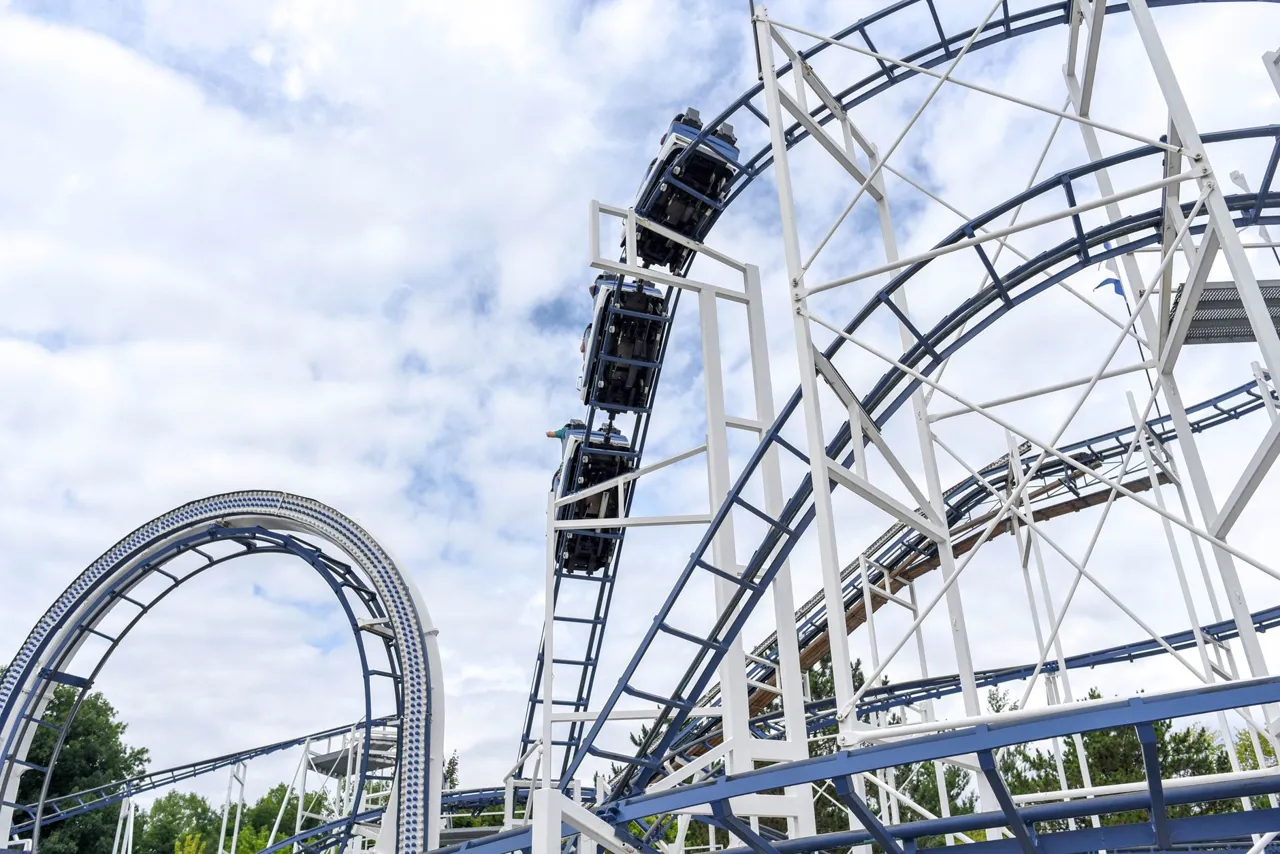
The death of Hassan Jihad Ibn Kariem, 42, at Six Flags Over Georgia has renewed scrutiny of amusement ride safety, despite roller coaster fatalities remaining extremely rare. Kariem was ejected from his seat on Goliath, struck other visitors and landed below the ride. Operating for two decades, the coaster reaches 70 mph following a 200-foot drop. Six Flags temporarily shut nine similar coasters across North America as a precaution. Manufacturer Bolliger & Mabillard is investigating, alongside a comprehensive review by Georgia’s safety authorities.
Permanent amusement park rides fall under state oversight rather than federal regulation, creating substantial differences in supervision. Massachusetts Senator Ed Markey has repeatedly proposed legislation to extend federal authority beyond mobile rides to stationary attractions. University of Florida safety expert Brian Avery supports stronger federal regulation, questioning how staff training, compliance and monitoring are checked. California approves new and modified rides and uses annual inspections conducted by officials or owners. Florida’s largest parks conduct their own inspections but must report injuries and deaths; Texas relies on private inspectors. Arizona requires annual private inspections, with enforcement largely left to local government.
Operators generally follow industry-developed ASTM standards governing design, construction and passenger forces. Theme park consultant Dennis Speigel points to multiple inspection layers and pressure from insurers. The industry’s trade association puts the risk of serious injury at one in 15.5 million US amusement park rides. Goliath also uses locking lap restraints with redundant components. According to roller coaster expert Martin Lewinson, its safety system should prevent departure unless every restraint is locked.