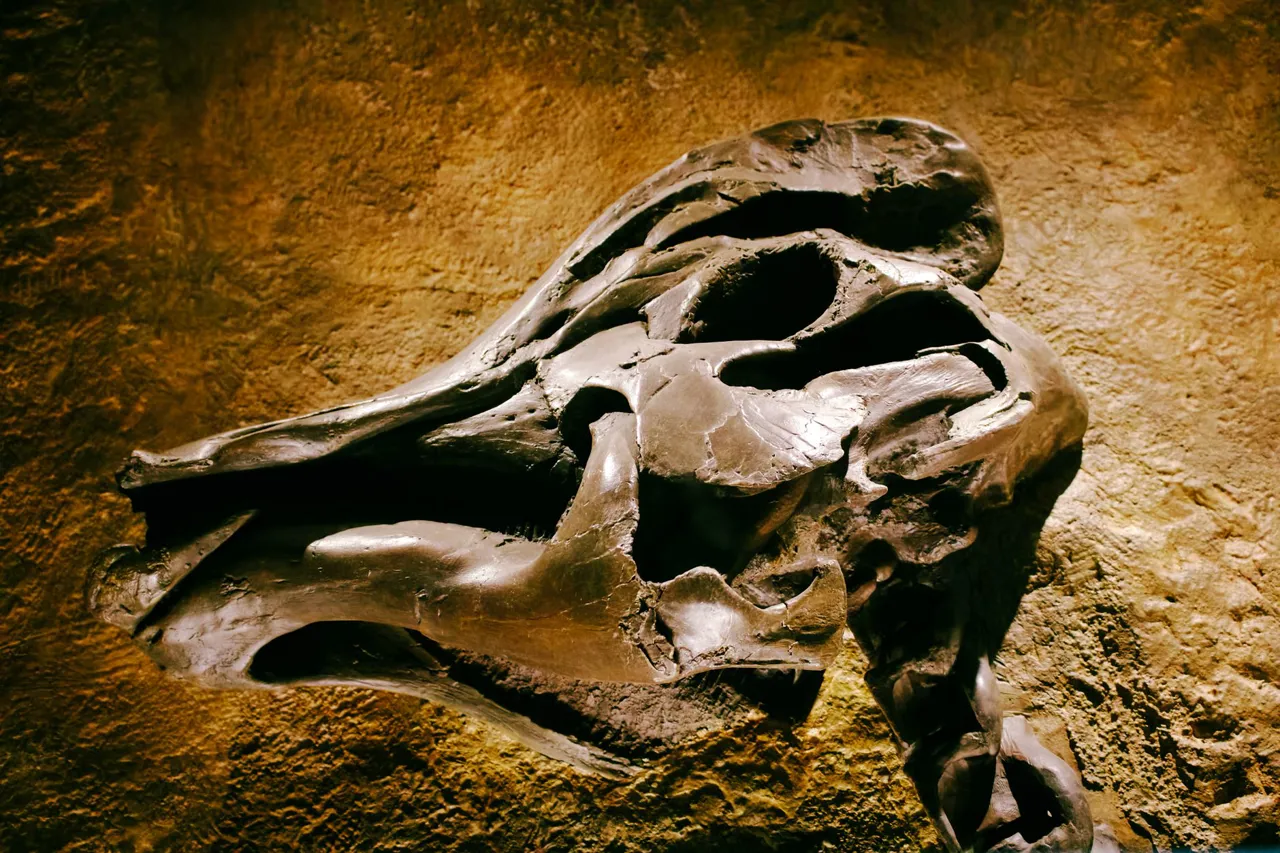
Scientists have found a new kind of dinosaur: Invictibellatrix amberina. It lived in Britain about 120 million years ago. Part of its head bone came from the Isle of Wight. The Natural History Museum received it in 1924.
Scientists used special X-ray pictures to study inside the bone. The dinosaur belonged to a group of meat-eaters called megaraptorans. This is the first clear sign of this group in Europe.
Scientists think it was three to four metres long and about 1.5 metres tall. It had large, curved claws. It may also have had feathers. It ate small dinosaurs, lizards and mammals. The study shows the value of looking again at old museum bones.