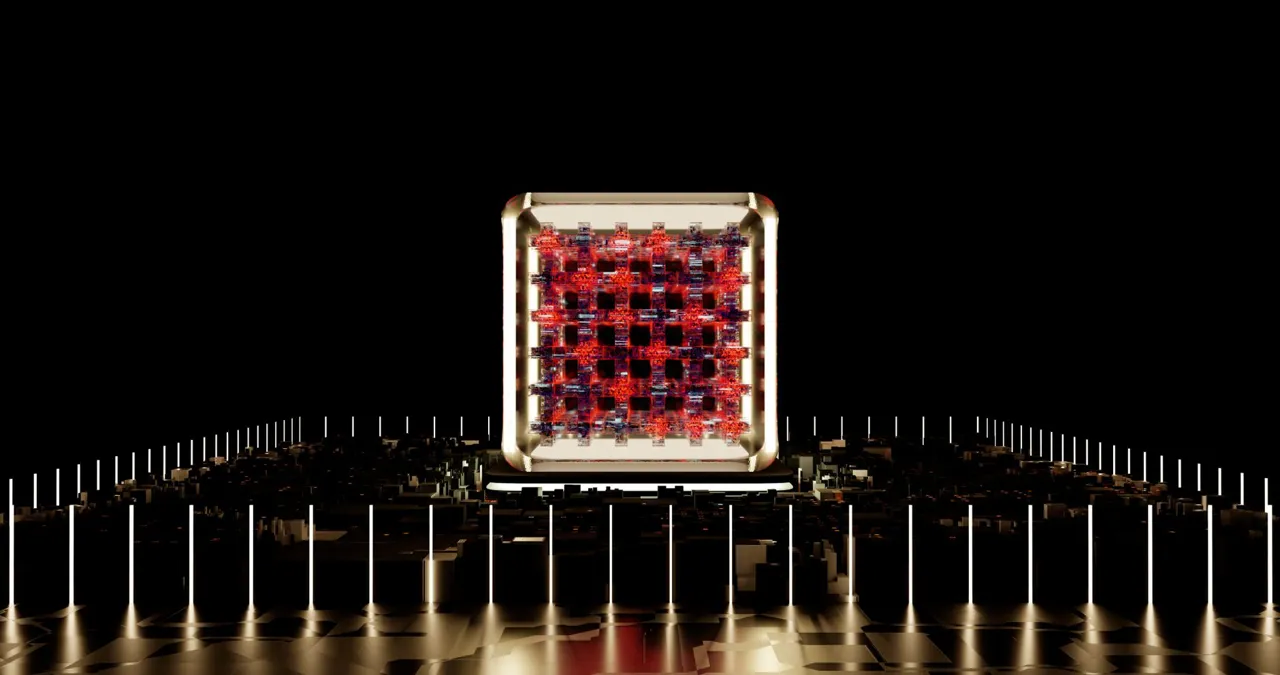
Nvidia has used the JUPITER supercomputer at Germany’s Jülich Supercomputing Centre to simulate a 104-qubit quantum computer. Qubits are the basic units of quantum computing. The simulated system can detect and correct errors while it runs. Nvidia describes it as the largest complete simulation of this type so far. It ran entirely on conventional computing hardware, rather than a quantum processor.
The simulation included realistic disturbances, or noise, which can cause errors in quantum hardware. Researchers tested a technique called magic state cultivation. This prepares special quantum states that are needed for certain calculations. Producing these states can require many additional qubits, but Nvidia says its method uses 90% fewer than earlier approaches. Including noise allowed the team to examine the method under conditions closer to those of real hardware.
The project used 8,192 graphics processing units, or GPUs, on JUPITER. Nvidia first developed and tested its methods on a smaller system at its own quantum research centre. According to the company, this development work reduced simulation time from weeks to days. The aim is to help researchers assess quantum computer designs before committing resources to building physical machines.