Some of Spain’s most enduring foods originated not as delicacies, but as responses to spoilage, summer heat and the need to avoid waste. Before refrigeration, communities developed techniques suited to their ingredients and circumstances. Basque fishermen, who travelled as far as Newfoundland and Iceland, cleaned, salted and dried cod to preserve it for the Atlantic crossing. Whereas northern crews could air-dry fish in cold conditions, salting allowed the Basque catch to keep in any climate. By the mid-sixteenth century, salt cod represented a substantial share of European fish consumption.
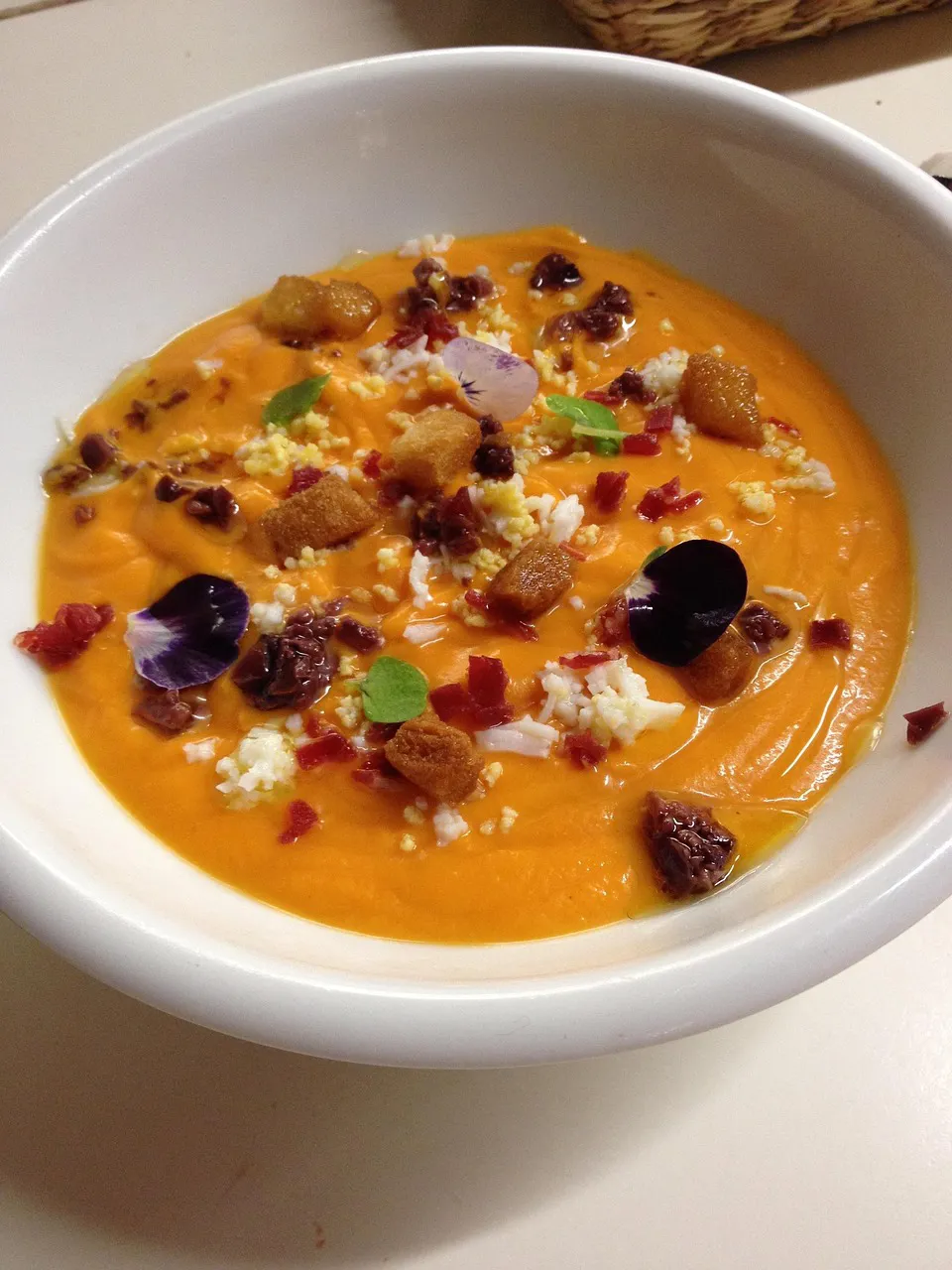
In Castile-La Mancha, shepherds transformed perishable sheep’s milk into firm cheese, using salt and ageing to remove moisture. Traditional woven-grass baskets left a distinctive zigzag impression on the rind, a pattern many modern moulds reproduce. Further south, Andalusia’s cold vegetable soups avoided the discomfort of heating homes during summer. Tomatoes, olive oil and day-old bread formed part of these uncooked meals; the thicker version associated with Córdoba incorporated more bread, helping prevent waste.
Bread also underpinned a fried dish closely associated with farmers and shepherds in Extremadura. Hardened pieces were moistened overnight, then cooked with olive oil, garlic and ingredients such as peppers and pork. On the northern coast, Italian salters introduced anchovy-preserving techniques to Santoña in the late nineteenth century. During the 1880s, a Sicilian salter began cleaning, filleting and canning the cured fish, helping establish the town as an anchovy-processing centre. What had been a seasonal catch became available throughout the year.