Several well-known Spanish foods developed as practical answers to everyday problems. Before fridges, fish and milk quickly went bad, while hard bread was too useful to throw away. People used salt, oil and simple preparation methods to make their food last longer.
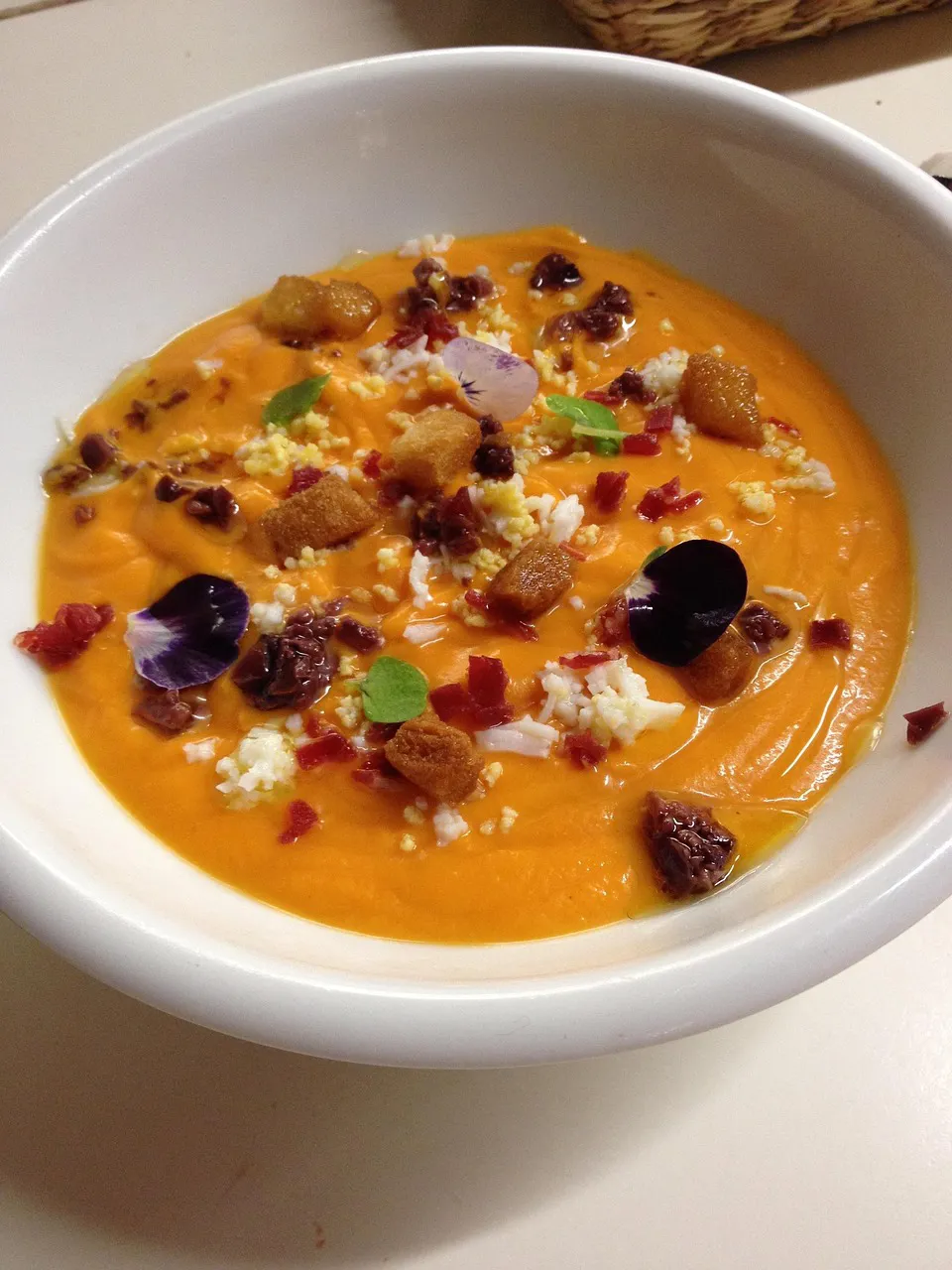
Basque fishermen travelled as far as Newfoundland and Iceland for cod. They salted and dried their catch so it would survive the journey home. In Castile-La Mancha, shepherds turned sheep’s milk into firm, salted cheese that kept longer than fresh milk. In Andalusia, cold vegetable soups offered another solution: people could prepare meals without making their homes hotter. Tomatoes, olive oil and old bread were among the ingredients, with extra bread making one version thicker.
Farmers and shepherds, especially in Extremadura, also used hard bread in a fried dish with garlic, oil and other ingredients. Meanwhile, Italian fish salters brought anchovy-preserving methods to Santoña in northern Spain during the late nineteenth century. Salting and later canning helped turn a seasonal catch into food that people could enjoy throughout the year.