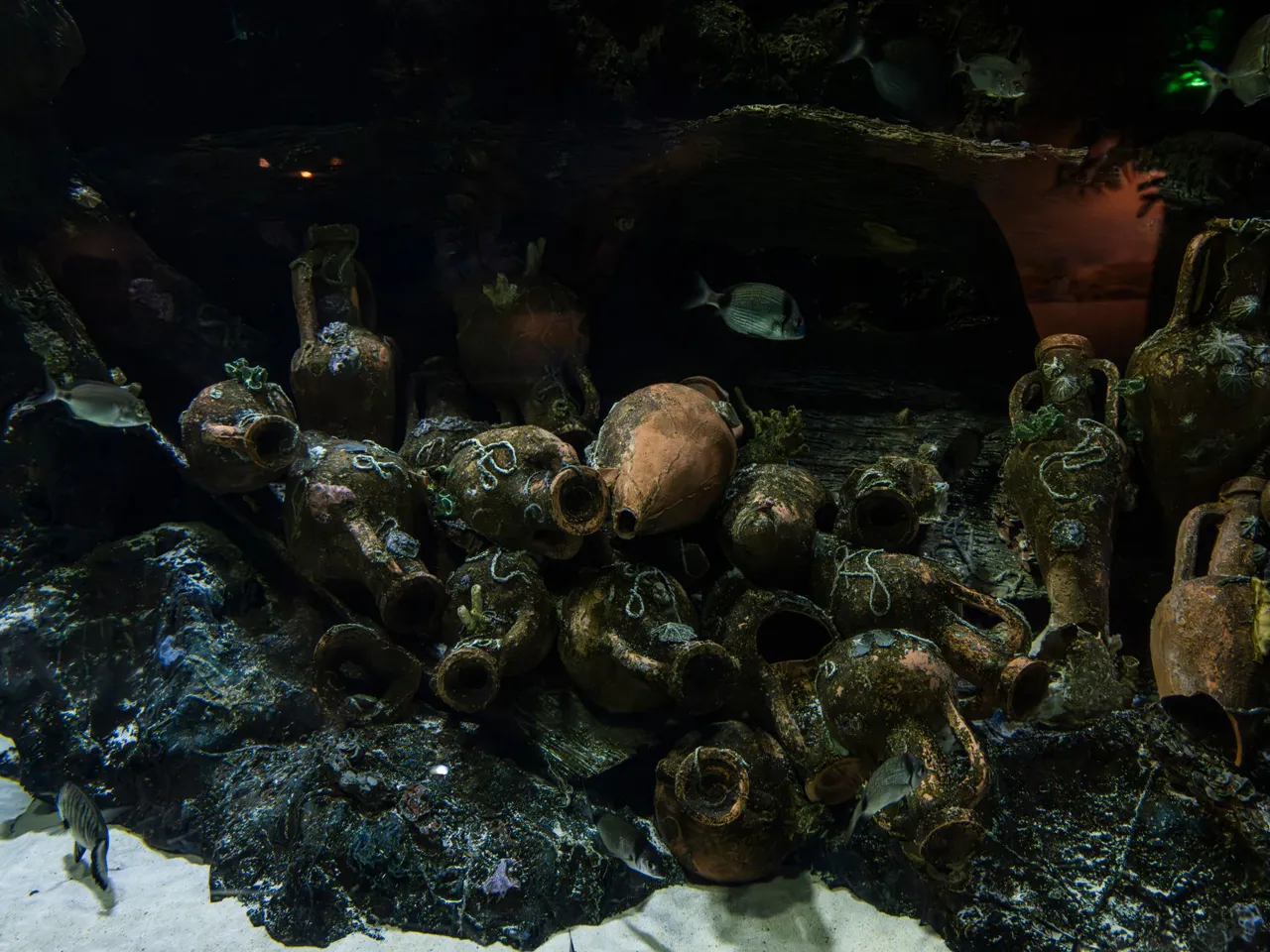
Underwater excavations off Kekova island in Antalya, Turkey, have recovered amphorae dating back approximately 4,400–4,700 years, believed to belong to an Early Bronze Age wreck. Culture and Tourism Minister Mehmet Nuri Ersoy characterised the finds as traces of the world's oldest shipwreck. Akdeniz University had identified the wreck during earlier underwater surveys; samples subsequently indicated its possible Bronze Age date. Excavations began in 2026, authorised by the ministry and conducted under the leadership of the Antalya Museum Directorate, with Associate Professor Hakan Öniz leading the scientific work.
Analysis of the amphorae's clay points to probable production in Jordan Valley workshops. Thought to have transported olive oil or wine, the vessels resemble examples discovered in Egypt, Troy and Crete. The Egyptian finds include containers from near the pyramids of Giza, Saqqara and Abusir. These parallels suggest that the cargo may have formed part of an extensive trading network, offering insights into Anatolia's maritime connections and cultural exchanges across the Eastern Mediterranean.
A particularly distinctive amphora bears nine marks and has two holes in its body. Preliminary examination suggests that it could have served as a churning vessel for making cheese or butter. If that interpretation is correct, sailors may have carried goats on lengthy voyages, milking them aboard ship and producing dairy food themselves. Beyond illuminating commercial transport, the discovery therefore contributes to research into shipboard living conditions and eating habits. Ersoy also pledged to continue investigating Anatolia's maritime past and preserving its underwater cultural heritage for future generations.